
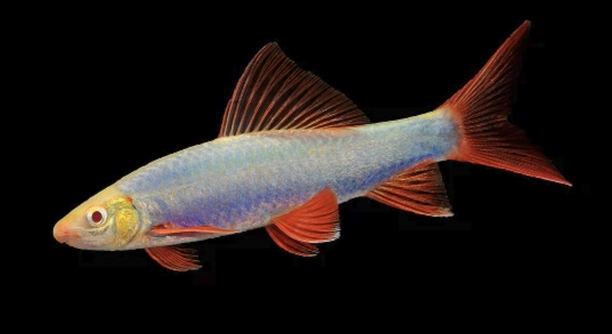
Rainbow shark tanks are popular for their striking appearance and active nature. Many aquarium owners enjoy watching these fish swim, but not everyone knows the specific needs they require to thrive. Understanding these needs helps ensure a healthy and vibrant tank environment.
Rainbow shark tanks demand specific water conditions, diet, and space to maintain fish health. Proper filtration, regular water changes, and a balanced diet rich in protein are essential. Additionally, tank size and compatible tank mates impact their well-being significantly.
Knowing these details will improve your care routine and prevent common issues. The article highlights important facts that many aquarium enthusiasts often overlook.
Proper Tank Size Matters for Rainbow Sharks
Rainbow sharks need enough space to swim actively and establish their territory. A tank smaller than 30 gallons usually causes stress and aggressive behavior. These fish grow up to six inches, and a cramped environment affects their health negatively. Providing at least a 40-gallon tank allows them to move freely and reduces conflicts with other fish. It also helps maintain stable water conditions, which is crucial for their survival. Proper tank size supports natural behavior and limits stress-induced illnesses. Filtration and aeration work best in larger tanks, keeping the water clean and oxygen-rich. A spacious tank also allows room for hiding spots and decorations, giving the fish comfort and reducing anxiety. This setup closely mimics their natural habitat, improving their overall well-being.
Keeping these factors in mind ensures your rainbow sharks live longer and stay more vibrant. The right tank size is a foundation for their care and happiness.
Choosing the correct tank size is essential. It influences behavior, health, and water quality, making it a key step in successful care.
Maintaining a proper tank size goes beyond space; it impacts water chemistry and fish interactions. Smaller tanks experience faster waste buildup, leading to toxic ammonia and nitrite spikes. Larger tanks dilute these wastes, reducing risks. Rainbow sharks are territorial, so more room decreases aggressive encounters. In a cramped space, they may constantly chase or attack other fish, causing injury or stress. Providing enough space also supports better filtration efficiency, making maintenance easier. When setting up the tank, include hiding places and plants to create a comfortable environment. These elements help reduce stress and give the rainbow shark areas to retreat. Keeping the tank clean and monitoring water parameters regularly will maintain a healthy habitat. Overall, choosing a spacious tank contributes significantly to the fish’s well-being and longevity.
Balanced Diet Is Key to Healthy Rainbow Sharks
Rainbow sharks require a diet that includes both protein and plant matter. Feeding only flakes or pellets can lead to malnutrition or dull coloration. Including live or frozen foods like bloodworms, brine shrimp, or daphnia supplements their protein needs well. Vegetables such as blanched zucchini or peas help with digestion and provide essential nutrients. Overfeeding should be avoided to prevent water quality issues and obesity. A varied diet promotes growth, vibrant color, and strong immune systems.
Proper nutrition helps your fish resist diseases and maintain energy levels, supporting long-term health.
Offering a diverse diet that meets all nutritional needs improves your rainbow shark’s appearance and vitality. Regularly rotating food types keeps feeding interesting and ensures balanced nutrient intake. Avoid feeding human food or fatty scraps that may harm the fish. Observing how your fish responds to different foods can help identify preferences and health issues early. A good feeding routine includes small portions twice daily. Remove any uneaten food to avoid polluting the water. This care approach minimizes disease risk and promotes active behavior. Supplements like spirulina or special pellets designed for omnivorous fish can also be beneficial. Feeding well contributes directly to the lifespan and happiness of your rainbow sharks, making their care more rewarding.
Water Quality Requirements
Maintaining stable water quality is essential for rainbow sharks. They are sensitive to sudden changes in temperature, pH, and ammonia levels, which can cause stress or illness. Regular testing and adjustments keep the environment safe.
Proper filtration removes waste and harmful chemicals from the tank, helping keep ammonia and nitrite levels at zero. A pH between 6.5 and 7.5 suits rainbow sharks best, and water temperature should stay between 72°F and 79°F. Frequent water changes of about 20% weekly prevent toxin buildup. Using a reliable test kit helps monitor water parameters effectively. Consistency is critical; sudden changes may weaken the fish’s immune system, making them vulnerable to disease.
Keeping the tank clean also means cleaning the filter regularly but avoiding washing filter media with tap water, which can kill beneficial bacteria. Using dechlorinated water for changes protects the fish. With steady water conditions, rainbow sharks can thrive and display their natural behavior, maintaining health and vibrant colors.
Compatible Tank Mates
Rainbow sharks can be territorial, especially with smaller or slow-moving fish. They generally do well with other medium to large-sized, active fish that can hold their own. Avoid very small or very passive species.
Good tank mates include fast swimmers like danios, barbs, and certain types of catfish. These fish usually avoid confrontations and occupy different tank levels, reducing conflicts. Avoid keeping rainbow sharks with aggressive or overly territorial fish, which may lead to fights. When choosing companions, consider the tank size and the temperament of all species involved. Proper stocking density also reduces aggression by giving each fish enough space. Introducing new fish gradually and monitoring their behavior can prevent issues. Ensuring hiding spots and plants further helps peaceful coexistence by giving shy fish places to retreat.
Successful tank mate selection creates a balanced environment where rainbow sharks and other species coexist with minimal stress, enhancing overall tank harmony.
Tank Decorations and Hiding Spots
Rainbow sharks appreciate having hiding spots to reduce stress and establish territory. Decorations like caves, driftwood, and dense plants create secure areas. Avoid sharp objects that could injure the fish.
Providing a natural environment with ample hiding places helps rainbow sharks feel safe and reduces aggressive behavior. It also encourages natural exploration and resting habits.
Common Health Issues
Rainbow sharks can suffer from common fish diseases like ich, fin rot, and bacterial infections. Poor water quality and stress often trigger these problems. Early detection and treatment are vital to prevent serious illness.
Lighting Needs
Rainbow sharks do well with moderate lighting that mimics their natural habitat. Too much light can cause stress, while too little can affect their activity and color display. Using a timer helps maintain consistent lighting cycles.
What is the ideal tank size for a rainbow shark?
The ideal tank size for a single rainbow shark is at least 40 gallons. These fish are active swimmers and need enough space to explore and establish territory. Smaller tanks often lead to stress and aggressive behavior. If you plan to keep multiple rainbow sharks or other fish, increase the tank size accordingly. A larger tank also helps maintain stable water conditions and better filtration efficiency, which are critical for their health.
How often should I feed my rainbow shark?
Feeding your rainbow shark twice a day with small portions is recommended. Overfeeding can pollute the water and cause obesity. A balanced diet including flakes, pellets, and occasional live or frozen foods ensures proper nutrition. Remove any uneaten food promptly to keep the tank clean and prevent water quality issues.
Can rainbow sharks live with other fish?
Rainbow sharks can live with other fish, but tank mate selection is important. They do best with medium to large, active fish that are not overly aggressive. Avoid keeping them with very small or slow-moving fish, as rainbow sharks may become territorial and aggressive. Providing hiding spots and enough space reduces conflicts.
What water parameters should I maintain?
Rainbow sharks thrive in water with a temperature between 72°F and 79°F, a pH of 6.5 to 7.5, and zero ammonia and nitrite levels. Regular water testing and 20% weekly water changes help maintain these parameters. Stability is crucial since sudden changes can stress the fish and cause illness.
How important is tank decoration for rainbow sharks?
Tank decorations are very important for rainbow sharks. They need hiding spots like caves, driftwood, or dense plants to feel secure and reduce stress. Decorations also help define territory, minimizing aggression. Avoid sharp objects that might injure them while swimming.
What are common health issues in rainbow sharks?
Common health issues include ich, fin rot, and bacterial infections. These usually result from poor water quality or stress. Early signs to watch for are white spots, frayed fins, or unusual swimming behavior. Maintaining clean water and proper diet reduces these risks. Quarantining new fish can prevent disease introduction.
How do I treat diseases in my rainbow shark?
Treatment depends on the disease. For ich, raising the water temperature slightly and adding medication helps. Fin rot often requires antibacterial treatment and improved water conditions. Always isolate sick fish if possible to prevent spread. Consult a vet or aquarium specialist for severe cases.
What should I feed my rainbow shark for best health?
A varied diet is best. Include high-quality flakes or pellets formulated for omnivorous fish, supplemented with live or frozen foods like bloodworms or brine shrimp. Occasionally offer blanched vegetables such as zucchini or peas to aid digestion. Avoid feeding only one type of food to prevent nutritional deficiencies.
How long do rainbow sharks live?
Rainbow sharks typically live between 5 and 8 years with proper care. Good water quality, a balanced diet, and an appropriate tank environment contribute to longevity. Stress and disease can shorten their lifespan, so attentive care is essential.
Can rainbow sharks be aggressive?
Yes, rainbow sharks can show territorial aggression, especially in small tanks or when space is limited. Aggression often targets smaller or slower fish. Providing sufficient space, hiding spots, and compatible tank mates helps reduce aggressive behavior. Monitoring interactions regularly allows early intervention if conflicts arise.
Is it necessary to have a heater for the tank?
Yes, a heater is necessary to maintain stable water temperatures between 72°F and 79°F. Rainbow sharks come from warm waters and do not tolerate cold fluctuations well. Using a reliable aquarium heater with a thermostat ensures a consistent environment that supports their health.
How often should I clean the tank?
Perform a partial water change of about 20% weekly to keep water quality high. Clean the substrate with a gravel vacuum during these changes to remove waste. Avoid over-cleaning filter media with tap water, as this can destroy beneficial bacteria. Regular maintenance prevents toxin buildup and supports healthy fish.
What kind of filtration is best for rainbow shark tanks?
A strong filter that provides both mechanical and biological filtration is best. Rainbow sharks produce waste that can quickly pollute the water, so efficient filtration is critical. Canister or hang-on-back filters are commonly used. The filter should provide adequate water flow without creating excessive current, which can stress the fish.
Are rainbow sharks nocturnal?
Rainbow sharks are mostly active during the day but can also be active at dawn and dusk. They appreciate moderate lighting and tend to hide when lights are too bright or the tank is disturbed. Adjusting the lighting to mimic natural day cycles helps maintain normal behavior.
Can rainbow sharks jump out of the tank?
Yes, rainbow sharks can jump if startled or stressed. A tight-fitting lid or aquarium cover is important to prevent escapes. Keep the tank environment stable and provide hiding spots to reduce stress that might cause jumping.
This FAQ covers key aspects of rainbow shark care, helping you maintain a healthy and balanced aquarium environment for these unique fish.
Taking care of rainbow sharks requires attention to several important factors to ensure their health and well-being. Providing a large enough tank is essential, as these fish need space to swim and establish territories without feeling cramped. Maintaining stable water conditions, including proper temperature, pH, and cleanliness, helps prevent stress and illness. Feeding a balanced diet with a variety of foods supports their nutritional needs and keeps their colors vibrant. These basic steps create a strong foundation for a healthy rainbow shark.
It is also important to consider their behavior when selecting tank mates and arranging the tank environment. Rainbow sharks can be territorial and sometimes aggressive, especially in small tanks or when space is limited. Including hiding places like caves and plants allows the fish to feel secure and reduces conflicts with other species. Choosing compatible tank mates that are active and can tolerate the rainbow shark’s temperament helps maintain peace in the aquarium. Regular observation of fish behavior ensures that any signs of stress or aggression are addressed promptly.
Finally, regular maintenance and monitoring are necessary to keep rainbow sharks thriving. Consistent water testing, partial water changes, and cleaning help maintain a safe habitat. Being alert to common health problems and acting quickly when signs of illness appear improves the chances of recovery. Patience and care go a long way in raising rainbow sharks successfully. By following these guidelines, you can enjoy watching these colorful and lively fish grow and thrive in your home aquarium.

Hello,
If you enjoy the content that we create, please consider saying a "Thank You!" by leaving a tip.
Every little bit helps us continue crafting quality advice that supports the health, happiness, and well-being of pets around the world, for pets of all shapes, sizes, and species.
We really appreciate the kindness and support that you show us!