
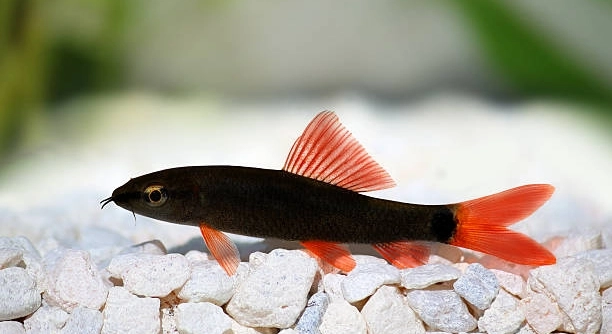
Do you ever find yourself confused about how to properly care for your rainbow shark, even after doing your research?
Rainbow shark care is often misunderstood due to common myths about aggression, tank size, and diet. These misconceptions can lead to stress, injury, or even premature death for the fish if not addressed properly.
Understanding these common mistakes will help you create a more comfortable, healthy environment for your rainbow shark moving forward.
They Don’t Need a Giant Tank Like Other Sharks
Many people assume rainbow sharks need massive tanks because of their name. While they do grow up to six inches long, they don’t require aquarium sizes like marine sharks do. A 30-gallon tank is often enough for one adult rainbow shark. However, they are active swimmers and appreciate long tanks that allow them to move freely. A wider tank footprint also helps prevent stress-related behaviors. Keeping them in smaller tanks can lead to increased aggression or hiding. Providing clean water, consistent filtration, and hiding spaces is more important than tank size alone. A well-maintained tank setup helps your rainbow shark feel safe and act naturally. These fish are not overly demanding, but they do rely on space and structure to thrive. Keep decorations minimal to leave enough swimming room, but include a few caves or driftwood for privacy. This balance supports healthy activity levels and reduces territorial behavior.
Some owners upgrade to larger tanks when aggression starts, but proper setup matters more than volume alone.
Focus on horizontal space, steady water quality, and a few hiding spots. These factors support comfort and reduce tension, especially in a single-fish setup. With these in place, a 30- to 40-gallon tank works well for most adults.
Rainbow Sharks Are Not Peaceful Community Fish
Despite their appealing look, rainbow sharks can become aggressive in shared tanks. They often chase or nip tank mates, especially bottom dwellers or similar-looking species. Many new owners expect them to get along with other fish because pet stores sometimes label them as semi-aggressive. In reality, they’re highly territorial. Rainbow sharks do best alone or with carefully selected tank mates who stay out of their way. Avoid housing them with red-tailed sharks, other rainbow sharks, or fish that resemble them. This reduces tension and protects the health of all fish in the tank. Even in larger tanks, problems can arise without planning. Keeping them in a community tank requires experience and attention to fish compatibility, layout, and hiding spots. Choose tank mates like barbs or fast-moving mid-level swimmers. Always monitor for signs of stress or injury. If aggression increases, separating the fish is the safest option for both the rainbow shark and its tank mates.
They Can Live Peacefully in Groups
Keeping multiple rainbow sharks in one tank usually leads to aggression. They are highly territorial and do not tolerate others of their kind well. Even in large tanks, serious injuries can occur from fighting over space.
Rainbow sharks are solitary by nature and need space to establish their own territory. When two or more are kept together, they often chase, bite, and stress each other out. Some hobbyists try grouping them in large tanks over 100 gallons, but this rarely works long-term. The most dominant fish will bully the others, leading to health problems. It’s safer to keep one per tank. If you’re determined to try a group, it must be in a very large tank with lots of hiding places and broken lines of sight, but even then, success isn’t guaranteed. One rainbow shark per tank is the best approach for their health and well-being.
Even if you manage to keep several rainbow sharks together for a while, aggression can develop unexpectedly. As they mature, territorial instincts grow stronger, often triggering fights. Injuries from these conflicts can lead to infections or death. Choosing a single rainbow shark helps prevent stress and supports a more stable tank environment over time.
They Eat Only Algae
Rainbow sharks enjoy algae, but their diet must be more balanced to keep them healthy. A varied mix of algae wafers, sinking pellets, and blanched vegetables is essential. Protein-based foods are also important to support their growth and immune system.
In the wild, rainbow sharks eat algae, plant matter, insect larvae, and small crustaceans. Limiting their diet to algae-only options causes nutritional gaps. Offer them high-quality sinking pellets designed for bottom feeders and supplement with occasional treats like bloodworms or daphnia. Fresh vegetables like zucchini, spinach, or peas (lightly blanched) also support digestive health. Feeding a mix of plant-based and protein-rich food helps keep their colors vibrant and their energy levels stable. Feed small amounts once or twice a day, and remove uneaten food to avoid water quality problems. A well-fed rainbow shark is more active, displays better coloration, and is less likely to show stress or aggression.
They Don’t Need Hiding Spots
Rainbow sharks are territorial, but that doesn’t mean they want to be exposed all the time. Without hiding places, they feel unsafe and may become more aggressive or stressed. Simple decorations like caves or driftwood offer security and reduce territorial outbursts.
Hiding spots help them retreat and feel calm, especially during tank maintenance or bright lighting. A few secure areas placed throughout the tank allow your rainbow shark to choose where to rest without dominating one corner of the tank. This setup supports healthier behavior and lowers their stress levels.
They Can Live in Any Water Conditions
Rainbow sharks need clean, stable water to stay healthy. Their ideal temperature range is 75–81°F, with a pH between 6.5 and 7.5. Sudden changes in parameters can lead to illness. Regular water tests and weekly partial water changes are important. Keep the tank well-filtered to control ammonia, nitrite, and nitrate levels. Avoid overfeeding, which can cloud the water and harm water quality. Even though rainbow sharks are hardy, poor conditions can lead to infections, fin rot, and behavior issues. Keeping water clean and parameters steady will help your fish live longer and act more naturally in their environment.
They Don’t Need Tank Mates
Rainbow sharks can live alone without issues. They don’t require tank mates for stimulation and are often calmer when kept by themselves.
How aggressive are rainbow sharks toward other fish?
Rainbow sharks are known to be territorial and sometimes aggressive, especially toward fish with similar shapes or colors. They often chase or nip tank mates that invade their space. Aggression usually increases in smaller tanks where space is limited. Providing enough swimming room and hiding spots can reduce but not eliminate territorial behavior. Rainbow sharks generally do better when kept alone or with compatible fish that occupy different tank levels or swim quickly.
Can rainbow sharks live with other bottom-dwelling fish?
Bottom dwellers often face aggression from rainbow sharks because they compete for similar areas. Species like corydoras catfish or loaches might be bullied. If you want to keep rainbow sharks with bottom feeders, ensure the tank is large and has plenty of hiding spaces. Monitor interactions closely. Sometimes, separation is necessary if bullying becomes severe.
What should I feed a rainbow shark?
Rainbow sharks need a balanced diet with plant and protein-based foods. Algae wafers, sinking pellets, and blanched vegetables such as zucchini or spinach are essential. Supplement with occasional treats like bloodworms or brine shrimp. Avoid feeding only algae or flakes. A varied diet helps maintain good color and health.
How large should the tank be for one rainbow shark?
A minimum tank size of 30 gallons is recommended for a single adult rainbow shark. They are active swimmers and prefer horizontal space over height. Larger tanks reduce aggression and stress. Keeping more than one rainbow shark requires an even bigger tank and is not recommended for beginners.
Do rainbow sharks require special water conditions?
Rainbow sharks thrive in stable freshwater conditions with temperatures between 75 and 81°F and a pH of 6.5 to 7.5. Sudden changes in temperature or water chemistry can cause stress or illness. Regular water testing and weekly partial water changes help maintain quality. Filtration is important to control ammonia, nitrite, and nitrate levels.
How often should I feed my rainbow shark?
Feed your rainbow shark once or twice daily with small amounts they can eat in a few minutes. Overfeeding can cause water quality issues and health problems. Remove uneaten food to keep the tank clean.
Can rainbow sharks be kept in groups?
Rainbow sharks are naturally territorial and do not usually tolerate others of their kind. Keeping multiple rainbow sharks together often results in aggression and injury. Large tanks with many hiding spots may reduce conflicts but do not guarantee peaceful coexistence. Single specimens are generally easier to manage.
What are common health problems for rainbow sharks?
Poor water quality, overcrowding, and stress can lead to health issues like fin rot, infections, or parasite infestations. Early signs include faded color, torn fins, or lethargy. Maintaining clean water, proper diet, and minimal stress is essential for preventing illness.
How can I reduce aggression in my rainbow shark?
Provide enough space, hiding places, and compatible tank mates. Avoid overcrowding and sudden changes in the tank environment. Feeding a nutritious diet also helps keep them calm. If aggression persists, consider separating aggressive fish to prevent injury.
Are rainbow sharks suitable for beginner fishkeepers?
Rainbow sharks are moderately hardy but require proper tank size, stable water conditions, and attention to diet and behavior. Beginners should be prepared to maintain water quality and understand territorial behaviors. They are not ideal for very small tanks or unfiltered setups. With proper care, they can be rewarding pets.
Rainbow sharks are popular aquarium fish known for their bright colors and active swimming. However, caring for them properly requires understanding their unique needs and behaviors. Many common misunderstandings about rainbow shark care can lead to problems if not addressed. By knowing the facts, you can create a better environment that supports their health and reduces stress. This means providing enough space, clean water, and a balanced diet, along with managing their territorial nature.
One key point is that rainbow sharks need space to swim but do not require huge tanks like marine sharks. A 30-gallon tank with enough horizontal room is usually enough for one adult. It is also important to add hiding spots like caves or driftwood. These allow the fish to feel safe and reduce aggression. Avoid housing multiple rainbow sharks together unless you have a very large tank and experience managing territorial fish. Aggression can cause injuries and stress, so keeping them alone or with carefully chosen tank mates is better.
Proper diet and stable water conditions are essential for rainbow shark health. They eat more than just algae and need a mix of sinking pellets, algae wafers, vegetables, and occasional protein treats. Maintaining clean water with the right temperature and pH levels helps prevent disease and keeps them active. Understanding these care basics helps ensure your rainbow shark lives a longer, happier life. Taking the time to learn about their needs and setting up the tank accordingly will make a big difference in their well-being.

Hello,
If you enjoy the content that we create, please consider saying a "Thank You!" by leaving a tip.
Every little bit helps us continue crafting quality advice that supports the health, happiness, and well-being of pets around the world, for pets of all shapes, sizes, and species.
We really appreciate the kindness and support that you show us!