
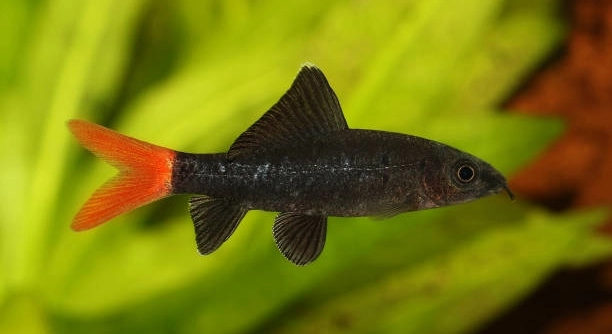
Rainbow sharks are popular freshwater fish known for their striking colors and active behavior. They thrive in well-maintained aquariums but can sometimes show signs of loneliness or stress. Understanding when they need more tankmates is important for their wellbeing.
Rainbow sharks require social interaction to stay healthy and reduce stress. Without enough companions, they may become aggressive or lethargic. Observing their behavior and tank environment helps determine if additional tankmates are necessary.
This article explores key signs your rainbow shark might benefit from more companions. Learning these indicators can help you create a balanced and peaceful aquarium environment for your fish.
Changes in Behavior
When a rainbow shark is feeling lonely or stressed due to a lack of tankmates, its behavior can change noticeably. You might see it becoming more aggressive, chasing other fish around or even attacking them without clear reason. On the other hand, some rainbow sharks may become unusually shy or hide more often. This shift in activity is a signal that the fish is not comfortable in its current environment. Sometimes, they may even stop eating well or lose interest in exploring the tank. These behavioral changes can lead to health problems if not addressed. Adding compatible tankmates can improve the shark’s mood and reduce stress, helping it return to its normal lively self. Watching for these signs early can prevent long-term issues and create a more peaceful tank for all fish.
A lonely rainbow shark often shows aggression or withdrawal from activity and interaction.
Recognizing behavior shifts is essential for keeping your rainbow shark healthy. If your fish is chasing others aggressively or hiding more than usual, it may need more companions. Sometimes, a single rainbow shark feels too isolated, and adding other peaceful fish helps restore balance. It’s important to choose tankmates that are compatible in size and temperament to avoid more conflict. Providing enough space and hiding spots also supports a healthier community. A balanced social environment can reduce stress and encourage natural behavior, making the tank more enjoyable to watch.
Tank Environment and Space
A rainbow shark’s environment plays a big role in how it interacts with others. Even with enough tankmates, a cramped or poorly arranged aquarium can cause stress. A minimum tank size of 30 gallons is usually recommended to give each fish enough room to swim and establish territory. If the tank feels crowded or if there aren’t enough hiding places, the rainbow shark might become territorial or restless. Proper decorations, plants, and hiding spots help reduce aggression by allowing fish to retreat when needed. Clean water and good filtration also keep the fish healthy and calm. Regular monitoring of the tank’s setup and adjusting it to suit the rainbow shark’s needs can improve their social behavior and overall wellbeing. Adding the right number of tankmates in a well-prepared environment creates harmony.
A tank that is too small or poorly arranged can increase stress for a rainbow shark.
Providing adequate space, clean water, and hiding areas helps your rainbow shark feel safe. When fish have enough room and shelter, they are less likely to fight or become stressed. A well-maintained tank with compatible fish encourages peaceful interactions. If you notice signs of distress, review the tank size and setup before adding more fish. Adjusting the environment can often solve many behavioral issues. Ultimately, a proper tank environment supports healthy social behavior and helps your rainbow shark thrive with its companions.
Signs of Loneliness
Rainbow sharks often show clear signs when they feel lonely in the tank. These can include increased hiding, lack of movement, or seeming uninterested in their surroundings. They might also stop eating as eagerly as before.
Loneliness in rainbow sharks can affect their overall health and behavior. When left alone for too long, they may become inactive or lose their bright coloration. This is because social interaction plays a role in their mental and physical wellbeing. Without other fish around, they can become bored or stressed, which leads to unhealthy habits like refusing food or excessive hiding. Adding appropriate tankmates helps stimulate them and encourages natural behaviors, improving their energy and color.
Sometimes a lonely rainbow shark may try to chase its own reflection or swim nervously without settling. These restless actions show that the fish is seeking interaction or stimulation. Observing these behaviors early allows you to take steps to add companions, improving the shark’s quality of life and tank dynamics.
Aggression Towards Other Fish
Aggression is a common signal that your rainbow shark needs more or better-matched tankmates. They may chase or nip at other fish frequently. This behavior increases if the tank is overcrowded or lacks hiding spaces.
If your rainbow shark is aggressive, it can indicate stress or boredom. Rainbow sharks are territorial by nature but benefit from having compatible companions to reduce tension. Introducing peaceful, similarly sized fish can help diffuse aggressive tendencies by sharing the tank’s space. Aggression can also arise when the fish feels isolated and is looking to establish dominance. Monitoring interactions and providing a balanced community is crucial. In some cases, aggression is reduced by adding tankmates gradually and ensuring the environment is spacious and well-decorated to provide enough territory and hiding spots for all inhabitants.
Lack of Interaction
A rainbow shark that doesn’t interact with other fish may be feeling lonely. It might ignore its surroundings or seem bored.
This lack of engagement often signals a need for companions. Rainbow sharks are social fish and thrive when sharing space with compatible tankmates.
Restlessness and Pacing
Restlessness or pacing along the tank glass is a common sign of stress in rainbow sharks. This behavior suggests the fish is unsettled or seeking stimulation. Without enough tankmates or a proper environment, they may swim repeatedly back and forth, showing frustration or discomfort.
Changes in Color
A dull or faded color in your rainbow shark can indicate stress or poor health. Color loss often occurs when the fish feels isolated or unhappy in its tank. Healthy, social rainbow sharks typically display vibrant colors that brighten when they are active and comfortable.
Reduced Appetite
When a rainbow shark stops eating well, it may be feeling stressed or lonely. Appetite loss is a clear sign to check the tank’s social environment and make necessary changes.
FAQ
How many tankmates does a rainbow shark need?
Rainbow sharks usually do well with at least two or three other compatible fish in the tank. They are territorial but also social enough to benefit from having companions. The exact number depends on the tank size and the personalities of the fish involved. In a 30-gallon tank, adding two or three peaceful fish that are not too small or too aggressive works best. Overcrowding should be avoided, as it can cause more stress and aggression.
What types of fish make good tankmates for rainbow sharks?
Good tankmates are peaceful, active, and of similar size. Examples include tetras, barbs, and danios. Avoid slow-moving or very small fish that might get bullied. Other bottom dwellers like corydoras catfish also do well since they occupy different areas of the tank. It is important to research each species’ temperament before adding them to avoid conflicts.
Can a rainbow shark live alone?
A rainbow shark can survive alone but may become stressed or bored without tankmates. This can lead to behavior changes like aggression or lethargy. While they are often kept singly, adding compatible companions improves their quality of life by providing social interaction and stimulation.
Why is my rainbow shark aggressive?
Aggression often happens because of stress, lack of space, or loneliness. Rainbow sharks are territorial, so an overcrowded tank or absence of tankmates can make them chase or nip at other fish. Providing enough room, hiding spots, and companions usually reduces aggression.
How can I reduce aggression in my rainbow shark?
Make sure the tank is large enough and has plenty of decorations for hiding and territory. Add peaceful tankmates gradually to avoid overwhelming your fish. Feeding regularly and maintaining clean water also helps reduce stress that can cause aggression.
What are the signs that my rainbow shark is stressed?
Signs include hiding excessively, losing color, restlessness, pacing along the glass, refusing food, and aggression. Stress affects both behavior and health, so addressing it quickly is important for your fish’s wellbeing.
How do I introduce new tankmates to my rainbow shark?
Introduce new fish slowly by placing them in a separate container within the tank for a few days if possible. This allows your rainbow shark to get used to their presence without direct contact. After this period, release the new fish gently and observe their interaction closely.
What tank size is ideal for a rainbow shark with tankmates?
A minimum of 30 gallons is recommended for one rainbow shark with a few tankmates. Larger tanks provide more space for territory and reduce stress and aggression. Bigger tanks also make it easier to maintain water quality, which benefits all the fish.
Can overcrowding cause problems for rainbow sharks?
Yes, overcrowding can lead to increased aggression, stress, and poor water quality. These conditions harm fish health and behavior. It’s important to balance the number of fish with the tank size and filtration capacity.
What should I do if my rainbow shark refuses to eat?
Check the tank environment first. Stress from loneliness or aggression can cause appetite loss. Try adding peaceful tankmates and improving tank conditions. If the fish continues not to eat, consider testing the water for toxins or disease and consult an expert if needed.
Are rainbow sharks compatible with other bottom dwellers?
Yes, rainbow sharks generally get along well with other bottom dwellers like corydoras or loaches. Since they occupy different parts of the tank, this reduces territorial conflicts and promotes a peaceful environment.
How important are hiding spots for rainbow sharks?
Hiding spots are very important. They provide safe places for fish to retreat, reducing stress and aggression. Plants, rocks, and decorations create a more natural and comfortable habitat, encouraging healthy behavior.
Will adding more tankmates always reduce aggression?
Not always. The type and number of tankmates matter. Adding incompatible or too many fish can increase stress and fights. Choose peaceful species and keep the tank spacious to help manage aggression effectively.
How often should I observe my rainbow shark for signs of needing more tankmates?
Regular observation is key. Watch your fish daily for changes in behavior, appetite, and activity. Early detection of loneliness or stress lets you act before problems worsen.
Can stress from loneliness affect a rainbow shark’s health long term?
Yes, chronic stress weakens the immune system, making fish more vulnerable to diseases. Loneliness can cause behavior changes that affect feeding and growth. Providing a social environment supports better long-term health.
Final Thoughts
Taking care of a rainbow shark means paying attention to more than just water quality and food. These fish need social interaction to stay healthy and happy. When kept alone or without enough tankmates, they may show signs of stress or loneliness, like aggression or hiding too much. Recognizing these signs early can help you make changes to improve their environment. Adding compatible fish and making sure the tank is spacious and well-decorated are simple steps that can make a big difference in your rainbow shark’s wellbeing.
Creating a balanced tank environment is key. Rainbow sharks enjoy having space to swim and places to hide. A well-maintained aquarium with plenty of room for each fish reduces competition and stress. When you add tankmates, it’s important to pick species that get along well and have similar activity levels. Peaceful companions can help keep your rainbow shark engaged and calm. If the tank feels crowded or the fish are not compatible, problems like aggression and poor health may arise, so thoughtful planning is essential.
Ultimately, the goal is to provide a healthy and peaceful home for your rainbow shark. Monitoring their behavior regularly allows you to notice any changes that could indicate a need for more tankmates or better tank conditions. Taking small actions early can prevent bigger issues later on. By creating a comfortable, social environment, your rainbow shark can live a happier, more active life. This not only benefits the fish but also makes caring for them more rewarding.

Hello,
If you enjoy the content that we create, please consider saying a "Thank You!" by leaving a tip.
Every little bit helps us continue crafting quality advice that supports the health, happiness, and well-being of pets around the world, for pets of all shapes, sizes, and species.
We really appreciate the kindness and support that you show us!