
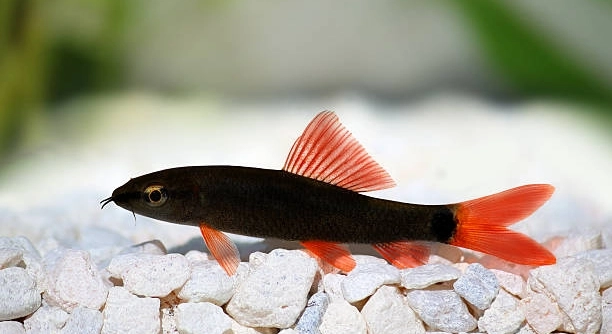
Rainbow Sharks are popular freshwater fish known for their vibrant colors and active swimming. Many aquarium owners enjoy keeping them but sometimes struggle with feeding habits. Overfeeding can lead to health problems and water quality issues in the tank.
Preventing overfeeding involves controlling portion sizes, feeding only once or twice a day, and observing the fish’s eating behavior closely. Uneaten food should be removed promptly to maintain water quality and prevent harmful waste buildup in the aquarium.
Managing feeding habits carefully will help maintain your Rainbow Shark’s health and keep the tank environment clean and balanced. Proper feeding supports their long-term well-being and vibrant appearance.
Control Portion Sizes Carefully
Feeding your Rainbow Shark the right amount of food is essential to prevent overfeeding. Start by giving only what your fish can eat in about two minutes. Avoid pouring large amounts of food into the tank at once. Smaller, measured portions help reduce waste and keep the tank clean. Overfeeding not only leads to leftover food but also stresses your fish and harms water quality. Using a feeding ring or small spoon can help you control how much food you offer. Watching your fish while they eat lets you adjust portions as needed. If you notice food remains after feeding, reduce the amount next time. Consistency is key. Feeding your Rainbow Shark properly will improve its health and tank conditions. Remember, less is often more when it comes to aquarium fish.
Controlling portions ensures your Rainbow Shark gets enough nutrition without excess waste, supporting its health and tank cleanliness.
Proper portion control minimizes uneaten food and prevents harmful buildup, promoting a balanced aquatic environment. It also helps your Rainbow Shark maintain a healthy weight and reduces risks of digestive issues.
Feed Once or Twice Daily
Feeding your Rainbow Shark once or twice daily is sufficient. This routine supports their natural feeding habits without overwhelming their system or the tank environment. Overfeeding often happens when feeding too frequently. Sticking to scheduled feedings helps you monitor their intake and health effectively.
Feeding too often can cause digestive problems and dirty water, which harms your fish.
Establishing a consistent feeding schedule is one of the best ways to prevent overfeeding. Rainbow Sharks thrive with a simple routine. Feeding once in the morning and once in the evening gives them enough energy throughout the day. Avoid free feeding or leaving food in the tank all the time. Excess food decomposes and raises ammonia levels, which can be dangerous. If you notice your fish eagerly eating all the food quickly, it may be tempting to feed more, but resist this urge. Instead, focus on quality food that meets their nutritional needs. Keeping a strict feeding schedule not only helps your Rainbow Shark stay healthy but also makes tank maintenance easier and improves water clarity over time.
Remove Uneaten Food Promptly
Leftover food can quickly pollute your tank and harm your Rainbow Shark. Removing uneaten food after feeding helps keep water clean and prevents toxic buildup.
Using a small net or siphon is an easy way to remove leftover food. Check the tank 10-15 minutes after feeding to scoop out any uneaten bits. This reduces waste that can decompose and increase harmful ammonia or nitrate levels. Keeping the water clean supports your fish’s health and reduces algae growth. Prompt cleanup also prevents water from becoming cloudy, which can stress your fish. Regular removal of uneaten food is a simple yet effective step toward maintaining a healthy tank environment for your Rainbow Shark.
Routine food removal is an important habit that keeps water quality high and protects your fish from illness caused by poor water conditions.
Choose Appropriate Food Types
Feeding your Rainbow Shark high-quality, balanced food is crucial. Avoid foods that sink too quickly or break apart easily, as these can cause overfeeding and pollution. Select pellets or flakes designed for bottom-dwelling fish, which your Rainbow Shark prefers. Including occasional live or frozen foods can enhance their diet and reduce boredom. Feeding varied food types ensures they get proper nutrients without excess waste. Be mindful of the food size; it should be small enough to eat quickly but large enough to prevent constant leftover bits. Providing suitable food helps maintain your fish’s health and the cleanliness of the tank. Proper food selection also minimizes digestive issues related to overfeeding or poor nutrition. This approach supports your Rainbow Shark’s energy and vibrant color.
Monitor Your Fish’s Behavior
Rainbow Sharks often show signs when they are overfed. Watch for sluggishness or bloating, which can indicate digestive problems.
Changes in swimming patterns or reduced activity may also suggest too much food. Observing these signs early helps prevent serious health issues.
Maintain Regular Tank Cleaning
Keeping the tank clean reduces the impact of any leftover food and waste. Regular water changes and substrate vacuuming remove debris that can accumulate and harm your fish.
A clean tank supports stable water parameters and a healthy environment, minimizing risks associated with overfeeding and promoting your Rainbow Shark’s well-being.
Avoid Feeding Too Many Treats
Treats like live or frozen foods should be given sparingly. Overuse can cause nutritional imbalances and contribute to overfeeding problems.
Limit treats to occasional supplements rather than daily additions to keep your Rainbow Shark’s diet balanced.
Use Feeding Tools
Using tools like feeding rings or small spoons helps control the amount of food given. This prevents excess food from spreading across the tank.
FAQ
How do I know if I am overfeeding my Rainbow Shark?
Signs of overfeeding include leftover food in the tank, cloudy water, and algae growth. Your fish may also become lethargic or appear bloated. If your Rainbow Shark is not finishing the food within a few minutes, you are likely feeding too much. Monitoring their behavior and the tank condition closely helps prevent overfeeding issues.
What is the best feeding schedule for Rainbow Sharks?
Feeding once or twice a day is ideal. Stick to consistent times to help regulate their metabolism and avoid overfeeding. Feeding smaller amounts at these times is better than large, infrequent feedings. This routine supports their digestive health and helps maintain clean tank conditions.
Can I feed my Rainbow Shark live food?
Yes, but live food should be given occasionally and not as a main diet. Live food like bloodworms or brine shrimp can be a good supplement. Overfeeding live food or feeding it too often can lead to excess waste and water quality problems.
What should I do with leftover food?
Remove any uneaten food within 10 to 15 minutes after feeding. Use a small net or siphon to scoop it out. This prevents the food from decomposing, which can raise ammonia and nitrate levels harmful to your fish.
Is it okay to feed my Rainbow Shark flakes?
Flakes can be used but are not always the best choice since Rainbow Sharks prefer sinking foods. Flakes may float and cause water contamination if uneaten. Pellets made for bottom feeders are usually a better option because they sink quickly and reduce waste.
How much food should I give per feeding?
Only feed what your Rainbow Shark can consume within two minutes. This amount varies with fish size and tank conditions but generally should be a small pinch or a few pellets. Avoid guessing—observe your fish to adjust feeding amounts accordingly.
Why is my Rainbow Shark still hungry after feeding?
Sometimes fish appear hungry even after eating enough. This behavior can be natural or a sign of insufficient feeding. Avoid increasing food amounts without monitoring leftovers. Ensure the diet is balanced and includes all necessary nutrients to keep your fish satisfied.
Can overfeeding cause health problems?
Yes, overfeeding can lead to digestive issues, obesity, and swim bladder problems. Excess food decomposes and lowers water quality, stressing your Rainbow Shark and making it more vulnerable to disease. Controlling feeding amounts is key to preventing these problems.
How do feeding tools help prevent overfeeding?
Feeding tools like rings or small spoons help deliver precise amounts of food. They prevent scattering food across the tank, which leads to uneaten leftovers. Using these tools improves feeding control and helps maintain a clean tank environment.
What if my Rainbow Shark refuses food?
Refusal to eat can be due to stress, illness, or poor water quality. Check tank parameters and observe for signs of disease. If the fish stops eating for more than a day or two, consider consulting a specialist. Proper feeding schedules and clean water usually encourage healthy eating habits.
Proper feeding is one of the most important steps in keeping your Rainbow Shark healthy and happy. Overfeeding can lead to many problems, including poor water quality and health issues for your fish. It is important to offer the right amount of food at regular times and remove any leftovers promptly. Feeding once or twice a day with controlled portions helps maintain a clean tank and prevents digestive troubles. Paying attention to your fish’s behavior also gives clues about whether they are eating the right amount. When your Rainbow Shark shows signs of sluggishness or bloating, it may be time to adjust feeding habits. Simple habits like using feeding tools and selecting the right food type make a big difference in avoiding overfeeding.
Maintaining a good feeding routine supports not only your fish’s well-being but also the overall aquarium environment. Uneaten food can quickly pollute the water, causing ammonia and nitrate levels to rise. These changes in water quality can stress your Rainbow Shark and encourage algae growth. Regular tank cleaning combined with prompt removal of uneaten food helps keep water parameters stable. Providing balanced, appropriate food tailored to the species’ needs keeps your Rainbow Shark energetic and vibrant. Avoiding too many treats and sticking to pellets or sinking foods designed for bottom feeders ensures a healthy diet. The right feeding strategy makes caring for your fish easier and more rewarding.
Taking time to learn your Rainbow Shark’s feeding preferences and adjusting your care accordingly is key to success. Every fish is unique and may require small changes to feeding amounts or types of food. Observing your fish daily and keeping the tank clean will help you catch any problems early. Overfeeding is a common mistake but one that can be managed with patience and attention. By following simple guidelines and creating a consistent feeding plan, you can enjoy a beautiful, healthy Rainbow Shark in your aquarium for years to come. Good feeding habits contribute to a balanced ecosystem and make your fish’s environment more stable and enjoyable.

Hello,
If you enjoy the content that we create, please consider saying a "Thank You!" by leaving a tip.
Every little bit helps us continue crafting quality advice that supports the health, happiness, and well-being of pets around the world, for pets of all shapes, sizes, and species.
We really appreciate the kindness and support that you show us!