
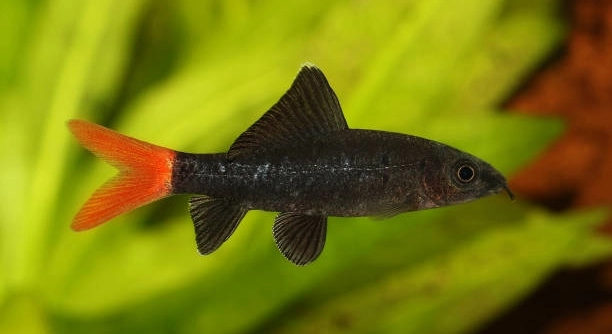
Rainbow sharks are popular freshwater fish known for their vibrant colors and active behavior. They can become stressed due to changes in their environment or care. Recognizing stress signs early helps maintain their health and well-being.
Rainbow sharks show stress through changes in behavior such as hiding, loss of appetite, and rapid breathing. Stress may also cause color fading, clamped fins, and erratic swimming patterns, all indicating discomfort or poor water conditions.
Knowing these signs can help you take quick action to improve your fish’s environment and health. Proper care ensures your rainbow shark stays vibrant and lively.
Signs of Hiding and Lethargy
When your rainbow shark is stressed, it often hides more than usual. These fish naturally like to explore, so spending too much time tucked away is a clear sign of discomfort. Alongside hiding, lethargy or reduced movement can appear. If your shark stops swimming around actively or stays at the bottom of the tank, stress might be affecting it. This behavior can result from poor water quality, sudden changes in tank temperature, or an overcrowded environment. Addressing these factors quickly helps your fish feel safer and more comfortable.
Stress-related hiding and lethargy also reduce your shark’s ability to feed properly. The less it moves, the less likely it will eat enough, weakening its immune system. Monitoring your rainbow shark’s activity daily lets you spot these warning signs early. Acting promptly is essential for keeping your fish healthy and happy.
These signs highlight the importance of a stable tank environment. Ensuring clean water, proper temperature, and enough space will encourage your rainbow shark to be active and visible again.
Changes in Appetite and Feeding Behavior
A noticeable drop in appetite is a key indicator of stress in rainbow sharks. When these fish stop eating or eat less than usual, it signals that something in their environment is off. Stress can cause their digestive system to slow down or shut temporarily, which affects feeding behavior.
Low appetite can also be linked to illnesses that arise from prolonged stress. Parasites, bacterial infections, or poor water conditions weaken the fish and reduce their desire to eat. Keeping track of how much your fish consumes during feeding times is important. If you see a consistent decline, test water parameters for ammonia, nitrites, and nitrates, as imbalances often contribute to stress.
Feeding your rainbow shark high-quality, varied food can help maintain interest in eating, but the root cause of stress must be resolved. Regular water changes and tank maintenance improve water quality and reduce stress. Avoid overcrowding, and ensure your fish has enough hiding places and a comfortable environment to feel secure. Addressing these issues supports your rainbow shark’s appetite and overall health.
Fading Color and Clamped Fins
Fading color is a common sign your rainbow shark is stressed. Healthy sharks display bright, vivid hues. When stressed, their colors become dull or washed out. Clamped fins, where fins are held close to the body, also indicate discomfort or illness.
Color fading usually occurs due to poor water quality or inadequate diet. Stress hormones affect pigment cells, making colors less intense. Clamped fins reduce movement efficiency and often result from infections or temperature changes. These signs should not be ignored as they indicate your fish is under distress.
Regular water testing and maintaining consistent temperature can prevent these issues. Feeding a balanced diet rich in nutrients supports your fish’s natural coloration. Observing your rainbow shark’s appearance daily helps catch these signs early and ensures timely intervention for better health.
Erratic Swimming and Gasping at the Surface
Erratic swimming patterns, like sudden darting or crashing into objects, are clear signs of stress. These behaviors indicate discomfort, often caused by poor water conditions, overcrowding, or aggressive tank mates. Gasping at the water surface also signals oxygen deficiency or poor water quality.
Rapid, uncontrolled movements waste energy and weaken the fish over time. Gasping happens when oxygen levels drop too low, making it hard for your shark to breathe properly. Both behaviors require immediate attention to improve the tank’s environment. Aerating the water and performing regular water changes can restore oxygen levels and reduce stress.
Providing plenty of space and a calm tank environment helps prevent aggressive interactions that trigger erratic swimming. Monitoring water parameters and adjusting tank conditions supports your rainbow shark’s well-being and minimizes these stress behaviors.
Excessive Scratching or Rubbing
When a rainbow shark scratches or rubs against tank surfaces frequently, it often means irritation or stress. This behavior can be caused by parasites, poor water quality, or infections. Immediate action is needed to identify the cause and relieve discomfort.
Ignoring this behavior can worsen the fish’s health, leading to skin damage or secondary infections. Regular tank cleaning and water testing are crucial to prevent such problems.
Changes in Social Behavior
Rainbow sharks usually display territorial behavior but remain active and interactive with other fish. When stressed, they may become unusually aggressive or withdraw completely. These changes in social interaction can reflect discomfort from overcrowding or poor environment conditions.
Identifying shifts in behavior early helps in adjusting tank setup or fish compatibility, reducing stress and maintaining balance in the aquarium.
Rapid Gill Movement
Rapid gill movement is a sign of respiratory distress. It indicates your rainbow shark may be struggling to get enough oxygen or suffering from water quality issues. This requires quick action to improve tank conditions and oxygen levels.
What causes stress in rainbow sharks?
Stress in rainbow sharks is usually caused by poor water quality, sudden changes in temperature, overcrowding, or aggressive tank mates. Inconsistent feeding schedules or an improper diet can also contribute. Environmental factors like strong currents or lack of hiding places may make the fish feel unsafe, leading to stress.
How can I improve water quality to reduce stress?
Regular water testing and maintenance are essential. Perform partial water changes weekly to remove harmful toxins like ammonia, nitrites, and nitrates. Use a reliable filtration system and avoid overfeeding, which can pollute the tank. Maintaining stable temperature and pH levels helps keep your rainbow shark comfortable.
Why is my rainbow shark hiding all the time?
Hiding is often a sign of stress or illness. It may feel threatened by other fish or uncomfortable due to water conditions. Lack of proper hiding spots can also make the fish feel exposed, leading to constant hiding. Providing plants, caves, or decorations gives your shark safe spaces to rest.
What should I do if my rainbow shark stops eating?
Loss of appetite usually signals stress or illness. Check the water parameters and tank environment first. Adjust the temperature or improve water quality if needed. Try offering a variety of high-quality foods to encourage feeding. If the issue persists, consult an aquatic veterinarian for possible infections or diseases.
How do I prevent aggressive behavior in rainbow sharks?
Aggression often results from overcrowding or incompatible tank mates. Keep the tank size appropriate for the number of fish and avoid mixing aggressive species. Providing enough territory and hiding places helps reduce conflict. Observing fish behavior regularly lets you intervene before aggression escalates.
Can poor diet cause stress in rainbow sharks?
Yes, an unbalanced diet lacking essential nutrients can weaken your rainbow shark and cause stress. Feeding a mix of high-quality flakes, pellets, and occasional live or frozen foods helps maintain health and vibrant colors. Avoid overfeeding, which can also negatively affect water quality and fish well-being.
How important is tank size for a rainbow shark’s stress levels?
Tank size plays a critical role in stress management. Rainbow sharks need at least a 30-gallon tank to swim freely and establish territory. Smaller tanks lead to overcrowding, poor water quality, and increased aggression, all contributing to stress. A spacious tank promotes healthier, less stressed fish.
What signs indicate a seriously stressed or sick rainbow shark?
Signs like extreme lethargy, rapid gill movement, severe color fading, and constant hiding show serious stress or illness. Skin damage from scratching or unusual swimming patterns also signal trouble. Early detection and treatment improve chances of recovery.
Can changing tank decorations help reduce stress?
Yes, rearranging decorations can provide new hiding spots and reduce territorial disputes. Avoid sudden or frequent changes, as that can also cause stress. Make sure the tank layout feels natural and comfortable, with plenty of cover and open swimming space.
How often should I check my rainbow shark for stress?
Daily observation is best to catch early signs of stress. Watch for changes in behavior, appetite, and appearance. Regular maintenance and testing at least once a week keep the tank environment stable, helping prevent stress before it starts.
Keeping your rainbow shark stress-free requires attention to tank conditions, diet, and social environment. Acting quickly on early signs protects your fish’s health and helps it thrive.
Rainbow sharks are beautiful and active fish that can add a lot to a home aquarium. However, like any pet, they require proper care to stay healthy and happy. Stress is one of the biggest challenges these fish face, and it can affect their behavior, appearance, and overall well-being. Knowing how to spot signs of stress early is important. When you recognize these signs, you can take steps to improve their environment and care, which helps prevent illness and keeps your rainbow shark lively.
Maintaining a stable and clean tank environment is key to reducing stress. Regular water testing and changes keep harmful chemicals at safe levels. The right water temperature and enough space also make a big difference. Overcrowding or mixing with aggressive fish can cause stress, so it’s important to plan your tank carefully. Feeding your rainbow shark a balanced diet supports its health and bright colors. Providing hiding spots and a calm environment helps the fish feel safe and secure.
Taking the time to observe your rainbow shark daily can improve your fish-keeping experience. Watching for changes in behavior, appetite, and color lets you act quickly if something seems wrong. Small adjustments like cleaning the tank more often or rearranging decorations can have a positive impact. Stress management is a continuous part of caring for rainbow sharks, but it becomes easier with experience. With proper care, your rainbow shark will thrive and bring vibrant life to your aquarium.

Hello,
If you enjoy the content that we create, please consider saying a "Thank You!" by leaving a tip.
Every little bit helps us continue crafting quality advice that supports the health, happiness, and well-being of pets around the world, for pets of all shapes, sizes, and species.
We really appreciate the kindness and support that you show us!