
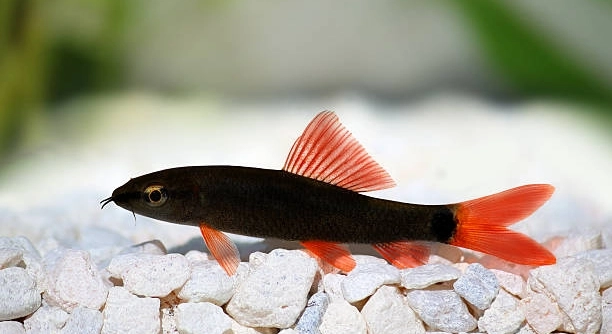
Are your rainbow sharks acting strange, hiding more than usual, or showing signs of aggression in your tank? These behaviors can be confusing and may leave you unsure of what’s going wrong with your setup.
Rainbow sharks often experience problems related to tank size, territorial behavior, poor water conditions, and incompatible tank mates. These issues can affect their health and stress levels, but with proper care, most can be resolved or prevented.
Learning how to spot the signs early can help you keep your rainbow shark healthy and comfortable in its environment.
Aggressive Behavior Toward Other Fish
Rainbow sharks are naturally territorial, especially in smaller tanks. This often leads to aggressive chasing or nipping at other fish. If the tank is overcrowded or lacks hiding spaces, the behavior can escalate quickly. It’s important to create a balanced environment that allows your rainbow shark to feel secure without threatening the peace of the tank. Choose tank mates carefully—peaceful, fast-swimming species that do not resemble the rainbow shark in shape or color tend to work best. Avoid bottom-dwellers or other territorial fish. A tank size of at least 55 gallons is recommended to give them enough room to roam without constant conflict.
Adding decorations and live plants can help break the line of sight and reduce tension. A well-structured layout gives each fish its own space and reduces unwanted interactions.
Be sure to monitor their behavior regularly. Subtle changes often indicate stress or worsening aggression that needs attention.
Poor Water Quality
Rainbow sharks are sensitive to sudden changes in water conditions. Poor filtration or inconsistent water changes can lead to cloudy water, ammonia spikes, or general discomfort for your fish.
Clean water is essential to keeping rainbow sharks healthy and stress-free. Test the water weekly for ammonia, nitrite, and nitrate levels. Make sure the tank is cycled before introducing your fish. Perform partial water changes regularly, about 25% each week, to keep levels stable. Use a high-quality filter that can handle your tank’s size and bio-load. Try not to overfeed, as uneaten food quickly breaks down and pollutes the water. If your rainbow shark shows signs like rapid gill movement or hiding constantly, check the water immediately. Proper maintenance is key, and even small improvements can make a noticeable difference in behavior and health.
Incompatible Tank Mates
Rainbow sharks often react badly to fish that share similar colors, body shapes, or bottom-dwelling habits. These traits can trigger territorial behavior and create ongoing stress for all the fish in the tank.
Avoid keeping rainbow sharks with red-tailed sharks, bala sharks, or other semi-aggressive species. Instead, consider peaceful, upper-level swimmers like barbs, rasboras, or danios that tend to stay out of the rainbow shark’s territory. It’s also helpful to introduce all tank mates at the same time to prevent one fish from becoming too dominant. A heavily decorated tank with plenty of hiding spots can reduce tension and give fish space to stay away from one another. Observing their behavior during the first few days is important so you can act quickly if aggression starts. Some trial and error may be needed, but picking the right mix will lead to a calmer environment for everyone.
When aggression does occur, it’s usually due to competition over space, food, or similar appearances. You may notice fin-nipping, chasing, or one fish hiding constantly. If separation becomes necessary, use a tank divider or move one fish to a different tank. Long-term exposure to aggression can weaken immune systems and cause injuries. The goal is to create an environment that supports each fish’s natural habits without constant stress or conflict.
Lack of Hiding Spaces
Without enough hiding spots, rainbow sharks can become stressed or overly dominant, especially in smaller tanks. They need places to retreat when feeling threatened or overwhelmed by activity around them.
Adding caves, driftwood, rocks, or dense plants helps reduce stress and provides areas for rest. It also breaks up the line of sight, which is helpful in preventing fights between fish. Even though rainbow sharks are active swimmers, they benefit from a mix of open space and secure hiding areas. This setup mimics their natural habitat more closely. Avoid placing all hiding spots in one part of the tank. Spread them out so that fish aren’t forced into the same corners. Rearranging decor occasionally can also reduce territorial habits. Over time, you’ll notice a calmer tank with fewer signs of stress like frantic swimming or skittish behavior. A few well-placed decorations can really change how peaceful your aquarium feels.
Tank Size Too Small
A small tank can cause constant stress and aggressive behavior in rainbow sharks. They need enough space to swim freely and establish their territory without clashing with other fish in the tank.
A 55-gallon tank or larger is ideal for a single rainbow shark. Smaller tanks lead to territorial issues and health problems.
Improper Diet
Rainbow sharks need a balanced diet of high-quality flakes, sinking pellets, and occasional protein like bloodworms or brine shrimp. Feeding only one type of food can lead to poor coloration, weakened immunity, and digestive issues. Feed them once or twice a day and avoid overfeeding. Remove uneaten food quickly.
Sudden Behavior Changes
If your rainbow shark suddenly hides, stops eating, or becomes more aggressive, it may be due to stress, illness, or poor water conditions. Always check water quality and look for visible signs of injury or disease.
FAQ
Can rainbow sharks live with other rainbow sharks?
It’s not recommended to keep more than one rainbow shark in the same tank unless the aquarium is very large—over 100 gallons—with plenty of space and hiding areas. In most setups, multiple rainbow sharks will become territorial and aggressive toward each other. They are known to fight until one fish dominates or is injured. If you really want to try keeping more than one, make sure the tank is heavily decorated with caves and plants to reduce tension. Even then, there is no guarantee it will work peacefully.
Why is my rainbow shark hiding all the time?
Hiding is normal in rainbow sharks, especially when they are first introduced to a new tank. However, constant hiding could be a sign of stress. Common reasons include poor water quality, bright lighting, or aggressive tank mates. Make sure there are enough hiding places, like caves and plants, and reduce loud activity around the tank. Also check water parameters to ensure they are within the ideal range. A calm, stable environment will help your rainbow shark feel more secure and less likely to hide all the time.
Do rainbow sharks need a heater?
Yes, rainbow sharks are tropical fish and need a stable water temperature between 75°F and 80°F (24°C to 27°C). A heater helps maintain this range, especially in colder climates or rooms with fluctuating temperatures. Sudden changes in water temperature can cause stress and weaken their immune system. Choose a reliable, adjustable heater and monitor the temperature with a thermometer. Consistency is key—try to keep temperature changes within 1–2 degrees. A stable, warm environment helps keep your rainbow shark healthy and active.
Why is my rainbow shark chasing other fish?
Chasing is a common behavior when a rainbow shark is trying to establish territory. This usually happens in smaller tanks or with incompatible tank mates. Fish that resemble the rainbow shark in shape or behavior often trigger this response. If the chasing becomes constant or aggressive, the other fish may get stressed or injured. Try rearranging the tank decorations to break up the space and create new hiding spots. You may also need to rehome one of the fish if the aggression continues. Watching their behavior daily can help catch problems early.
Can rainbow sharks jump out of the tank?
Yes, rainbow sharks are capable jumpers. They can leap out of open tanks, especially when startled or stressed. Always use a secure lid to keep them safe. Even small gaps can be enough for them to squeeze through during a panic. If your fish has jumped out, gently return it to the tank immediately and watch closely for signs of injury. Keeping a peaceful environment, avoiding sudden movements near the tank, and using a tight-fitting lid are the best ways to prevent this from happening.
How long do rainbow sharks live?
With proper care, rainbow sharks can live for 5 to 8 years in a home aquarium. Their lifespan depends on factors like water quality, diet, tank size, and overall stress levels. A clean tank, balanced diet, and peaceful setup will help them reach their full potential. Regular maintenance and quick action when problems arise also play a big role. Neglecting these basics can lead to illness or a shortened lifespan. Treat them with care, and they’ll stay healthy and active for many years.
Do rainbow sharks like strong water flow?
Rainbow sharks prefer moderate water flow. In the wild, they live in rivers and streams with gentle to moderate currents. Too much flow can stress them, while stagnant water leads to poor oxygen levels. Use a filter that creates steady, gentle movement across the tank. Position the filter so it doesn’t blow directly on the shark’s resting or hiding spots. A balanced water flow helps keep them comfortable and supports healthy tank conditions overall. Adjust as needed if you notice signs of discomfort or stress.
Final Thoughts
Caring for a rainbow shark takes time, patience, and attention to detail. These fish are active, bold, and full of personality, but they do best in a calm and well-managed environment. Understanding their needs helps prevent many of the common problems that new and experienced fish keepers face. A proper tank setup, good water quality, and a balanced diet go a long way in keeping your rainbow shark happy and healthy. When these basics are in place, your fish will be more active, less stressed, and easier to care for in the long run.
Aggression, hiding, poor appetite, and sudden behavior changes are all signs that something in the tank may not be right. These issues usually come from stress, water problems, or tank mate conflicts. Watching your rainbow shark closely helps you notice small changes before they turn into bigger problems. It’s also important to make changes slowly. Sudden shifts in temperature, lighting, or tank layout can cause stress and lead to more problems. Small, steady improvements often work better and give your fish time to adjust. Building a good routine for feeding and tank maintenance also helps things run smoothly.
A peaceful tank is possible with the right setup and a little planning. Choose tank mates carefully, give your rainbow shark enough space, and create a tank that has both open areas and hiding spots. While rainbow sharks are not the easiest fish to keep, they are manageable with the right care. Taking time to learn about their habits and needs shows that you’re committed to their well-being. In return, you’ll enjoy watching a vibrant, active fish that adds life to your tank. Every fish is different, so what works for one might not work for another. Stay flexible, stay observant, and don’t be afraid to make small changes along the way. It’s all part of helping your rainbow shark live a healthy and full life.

Hello,
If you enjoy the content that we create, please consider saying a "Thank You!" by leaving a tip.
Every little bit helps us continue crafting quality advice that supports the health, happiness, and well-being of pets around the world, for pets of all shapes, sizes, and species.
We really appreciate the kindness and support that you show us!