
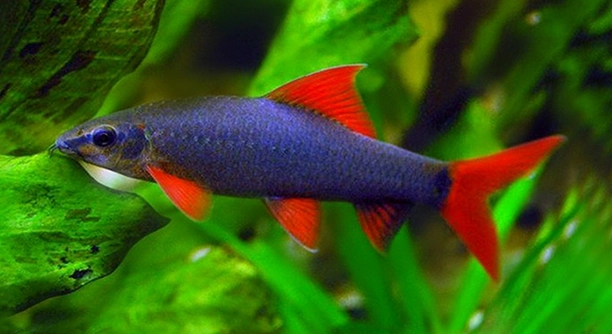
Is your rainbow shark looking stressed or acting more aggressive than usual in its tank? Creating a calm space may help. A well-set environment can make a big difference in your rainbow shark’s behavior and health.
The best way to create a relaxing tank for your rainbow shark is by providing ample hiding spots, maintaining clean water, and avoiding incompatible tank mates. This encourages a sense of safety and supports your fish’s natural instincts.
From tank setup choices to daily care habits, each detail plays a role in your rainbow shark’s comfort and overall well-being.
Choose the Right Tank Size
A rainbow shark needs space to feel secure and display natural behavior. Keeping it in a tank that’s too small can cause stress and aggression. A 55-gallon tank is the recommended minimum for a single rainbow shark. This gives them enough room to swim freely and establish territory. These fish are semi-aggressive and need space away from other tank mates. A longer tank with a good width helps with water flow and provides zones for the fish to explore. Avoid overcrowding or adding too many decorations that restrict swimming space. Also, larger tanks are easier to maintain in terms of water quality. If you want to keep other fish, make sure there’s plenty of space for everyone to reduce conflict. Planning ahead and choosing the correct size early on can prevent future issues and help your rainbow shark feel more at ease in its environment.
Give your rainbow shark room to move, and it will likely be calmer and healthier overall.
Many people start with a tank that’s too small, not realizing how territorial rainbow sharks can be. When they’re cramped, they often become more aggressive. By upgrading to a spacious tank, you create a safer and more relaxing home that suits their active lifestyle.
Add Hiding Spots and Decorations
Rainbow sharks need areas to retreat when they feel overwhelmed or want to rest. Hiding spots help reduce stress and promote natural behavior.
Use driftwood, smooth stones, and caves to create spaces where your rainbow shark can feel secure. Choose decorations that don’t have sharp edges, since these fish like to squeeze into tight areas. Plants, both live and artificial, can help soften the tank and provide more cover. Spread decorations around the tank to break up lines of sight. This helps reduce territorial behavior, especially if you’re keeping more than one fish or have tank mates. Avoid crowding the tank too much—there should still be plenty of swimming room. Consider placing larger caves or tunnels near the tank bottom, where rainbow sharks tend to stay. When they feel like they have safe places to hide, they’re less likely to lash out or become overly dominant. A calm fish is more likely to show healthy, natural activity patterns.
Maintain Clean Water Conditions
Clean water plays a major role in your rainbow shark’s comfort. Poor water quality can lead to stress, illness, and increased aggression. Weekly water changes and regular testing help keep the tank healthy and balanced.
Perform partial water changes every week, ideally removing around 25–30% of the tank water. Use a gravel vacuum to clean the substrate while you’re at it. Make sure the new water is treated to remove chlorine and has a similar temperature. Monitor ammonia, nitrite, and nitrate levels regularly using a test kit. Rainbow sharks do best when these levels are stable and safe. High nitrates and fluctuating pH can impact their health and behavior. A good filter is essential, but don’t rely on it alone. Consistent maintenance is key. Even a large tank can get dirty if you don’t keep up with it.
If the water smells bad, looks cloudy, or your fish is acting differently, it may be time to test and clean. Overfeeding is a common reason for poor water quality, so be careful with portions. Rinse filter media in tank water during changes—never tap water, as it can kill helpful bacteria. Keeping the water clean will help your rainbow shark stay relaxed and healthy.
Choose Calm Tank Mates Carefully
Rainbow sharks don’t get along with every fish. They can be territorial, especially in smaller spaces. Avoid putting them with other bottom-dwellers or fish that look similar, as this can lead to fights or stress.
Look for tank mates that swim in different parts of the tank, like the top or middle levels. Peaceful fish like barbs, danios, or rasboras usually do fine if the tank is big enough. Avoid slow-moving or long-finned fish, as they can be easy targets. Adding tank mates all at once instead of one at a time can also help reduce tension. Make sure everyone has hiding spots and enough room to swim. Observe their behavior closely after any new addition. If things seem tense or aggressive, it may be best to separate them. Not every fish works with rainbow sharks, so sometimes trial and error is part of the process.
Keep the Lighting Soft and Consistent
Bright or harsh lighting can make a rainbow shark feel exposed or stressed. Use a soft light and keep it on a schedule. Around 8–10 hours a day is enough for most tanks. Avoid placing the tank in direct sunlight.
If your tank has live plants, choose lighting that supports growth without being too strong. Use a timer to maintain a stable day-night cycle. Sudden changes in lighting or leaving the lights on too long can disrupt your fish’s natural rhythm and affect their behavior.
Maintain a Steady Temperature
Rainbow sharks need stable water temperatures between 75°F and 80°F. Sudden drops or spikes can cause stress and lower their immune system. Use a reliable aquarium heater and thermometer to monitor conditions daily. Avoid placing the tank near windows or vents, as outside temperatures can affect the water. If your home temperature varies a lot, consider using a heater with a built-in thermostat. A digital thermometer can give you a more accurate reading. Keeping the tank warm and consistent helps your fish stay active and calm.
Limit Loud Noises and Vibrations
Loud noises or tank vibrations can startle rainbow sharks. Keep the tank in a quiet spot, away from speakers, TVs, or slamming doors. Try to approach the tank calmly and avoid sudden movements.
How often should I change the water in my rainbow shark’s tank?
Water changes should be done weekly, replacing about 25-30% of the tank water each time. This helps remove waste, uneaten food, and harmful chemicals like nitrates. Regular partial water changes maintain stable water quality, which is essential for your rainbow shark’s health and stress reduction. Avoid doing full water changes unless there’s a major issue, as this can shock the fish. Always treat new water to remove chlorine and adjust temperature to match the tank.
What kind of decorations are best for hiding spots?
Smooth rocks, driftwood, and caves work well as hiding places. Avoid sharp or rough decorations that could injure your fish. Live or artificial plants also add cover and reduce open swimming areas, helping your rainbow shark feel secure. Arrange decorations so there are several hiding spots spread throughout the tank, especially near the bottom where these fish like to rest. Make sure to leave enough open space for swimming and territorial movement.
Can I keep more than one rainbow shark together?
It is possible but requires a large tank—at least 75 gallons or more. Rainbow sharks are territorial, especially toward others of their species. More space and plenty of hiding spots help reduce aggression. Watch their behavior carefully; if fighting happens, you may need to separate them. Adding all rainbow sharks at the same time can sometimes ease territorial disputes. However, many aquarists recommend keeping only one per tank unless you have the right setup.
What tank mates get along with rainbow sharks?
Peaceful mid- and top-level swimmers like danios, barbs, and tetras usually work well if the tank is big enough. Avoid slow-moving or long-finned fish that can be bullied. Bottom-dwellers that share similar territory, such as loaches or other sharks, may cause conflict. It’s best to choose species that occupy different levels of the tank to reduce competition. Always watch for signs of stress or aggression when introducing new fish.
How do I know if my rainbow shark is stressed?
Signs of stress include hiding more than usual, refusing food, erratic swimming, or increased aggression. Physical symptoms might be faded colors, torn fins, or spots on the body. Poor water quality is often the cause, so testing water parameters is important. Stress can also come from overcrowding, sudden changes in environment, or incompatible tank mates. Addressing these issues quickly helps prevent illness.
What should I feed my rainbow shark?
Rainbow sharks are omnivores and need a balanced diet. High-quality sinking pellets or wafers designed for bottom feeders are good staples. Supplement with live or frozen foods like bloodworms, brine shrimp, and daphnia. Vegetables such as blanched zucchini or spinach can also be offered occasionally. Feed small amounts once or twice daily, only as much as they eat within a few minutes to avoid leftover food polluting the tank.
How important is water temperature for rainbow sharks?
Water temperature should stay between 75°F and 80°F. Sudden changes or extremes cause stress and weaken their immune system. Use an aquarium heater and thermometer to keep conditions stable. Avoid placing the tank where outside temperature fluctuates or where drafts from air conditioners or heaters affect the water. A steady temperature supports healthy activity and reduces disease risk.
Can lighting affect my rainbow shark’s behavior?
Yes, too bright or inconsistent lighting can stress your fish. Use soft lighting and keep it on a regular schedule, about 8–10 hours a day. Avoid direct sunlight to prevent algae growth and overheating. Sudden changes in light intensity may cause hiding or erratic swimming. A timer helps maintain a consistent day-night cycle, which supports natural rhythms and calm behavior.
What should I do if my rainbow shark is aggressive?
Check tank size, decorations, and tank mates first. Aggression often stems from territorial disputes or stress due to overcrowding. Adding more hiding spots and ensuring enough space can reduce fighting. If aggression continues, separate the fish or consider rehoming one. Avoid placing rainbow sharks with similar species or bottom dwellers that share their space.
How can I prevent diseases in my rainbow shark?
Maintain clean water with regular changes and proper filtration. Feed a balanced diet and avoid overfeeding. Quarantine new fish before adding them to your tank to prevent introducing illness. Watch for early signs of disease like white spots, lethargy, or loss of appetite. Treat promptly with recommended medications if needed. Stress reduction through proper care also lowers the risk of sickness.
Creating a relaxing tank for your rainbow shark takes some effort, but it is worth it for the health and happiness of your fish. A well-maintained environment helps reduce stress and aggressive behavior, allowing your rainbow shark to thrive. Providing enough space, clean water, hiding spots, and peaceful tank mates all work together to create a comfortable home. Keeping things stable, such as temperature and lighting, also plays a big role. When these factors come together, your rainbow shark is more likely to show natural, calm behavior.
It is important to stay consistent with tank care. Regular water changes, monitoring water quality, and feeding the right diet keep your fish healthy. Small problems can grow quickly if ignored, so catching signs of stress or illness early is key. This way, you can make changes or treat issues before they get worse. Remember that rainbow sharks have specific needs due to their size and territorial nature. Meeting those needs means they will live longer and be more enjoyable to watch.
Building a relaxing tank is a learning process that improves over time. As you observe your rainbow shark, you’ll better understand its behavior and preferences. Adjusting tank setup, decoration placement, or choosing compatible tank mates may be needed as you go along. The goal is to create a stable and safe environment where your fish can feel secure. When your rainbow shark is comfortable, it will show more color, stay active, and have fewer health problems. Taking these steps benefits both you and your fish in the long run.

Hello,
If you enjoy the content that we create, please consider saying a "Thank You!" by leaving a tip.
Every little bit helps us continue crafting quality advice that supports the health, happiness, and well-being of pets around the world, for pets of all shapes, sizes, and species.
We really appreciate the kindness and support that you show us!