
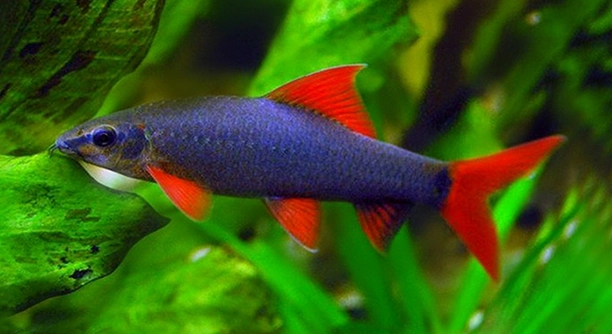
Are your rainbow sharks swimming nervously, hiding more often, or showing signs of aggression toward other fish in the tank? These behaviors may be linked to stress caused by unsuitable tank conditions or incompatible tankmates.
Stress in rainbow shark tankmates is most commonly caused by overcrowding, poor water quality, lack of hiding spaces, and incompatible fish species. Adjusting the environment and choosing peaceful companions can significantly reduce stress-related behaviors and health issues.
A few small changes can lead to a healthier and more peaceful aquarium environment for your rainbow sharks and their companions.
Choose Calm Tankmates Carefully
Rainbow sharks are semi-aggressive by nature, especially when paired with fish that look similar or have overlapping territories. To prevent stress, avoid keeping them with other bottom dwellers or fish with long flowing fins. Instead, choose peaceful mid- to top-level swimmers like danios, rasboras, or barbs. These species tend to stay out of the rainbow shark’s preferred zones, helping reduce territorial disputes. Also, try to limit the number of tankmates. An overcrowded tank often leads to tension, as rainbow sharks enjoy having their own space. Adding too many fish at once can upset their balance and lead to aggression. Providing a clear hierarchy from the beginning can help maintain peace. Observing your shark’s behavior after introducing any new tankmate is also important. If signs of stress or aggression show up, be ready to rehome or separate fish as needed.
Even peaceful species can cause stress if the tank isn’t set up properly. Watch their interactions closely.
Proper pairing isn’t only about choosing calm fish. It’s also about balancing tank space and ensuring each species can thrive. Rainbow sharks do best in tanks over 50 gallons with enough swimming room. The more space each fish has, the less likely they are to cross paths and spark aggression. Avoid putting multiple rainbow sharks in one tank unless it’s a large aquarium with well-defined territories. When planning tankmates, think long-term. Fish that are small and peaceful when young may become more dominant over time. A good rule is to avoid species that compete for the same food or hiding spots. Provide visual barriers, like driftwood or plants, to help break up the line of sight. This can reduce chasing behavior and give each fish a secure space. A calm tank starts with understanding your rainbow shark’s needs and respecting its boundaries.
Maintain Stable Water Conditions
Water quality is a major factor in reducing stress for rainbow sharks and their tankmates. Clean, balanced water keeps fish healthy and behavior steady.
Poor water conditions can lead to illness, aggression, and stress. Testing the water weekly for ammonia, nitrite, nitrate, and pH levels helps you catch imbalances early. Keep the temperature between 75–81°F and maintain a pH around 6.5–7.5. Sudden changes in these levels can cause discomfort and lower your fish’s immune response. A strong filtration system is necessary to keep the water clean, but it shouldn’t create strong currents that stress out the fish. Performing regular water changes—about 25% weekly—helps keep conditions stable. Avoid overfeeding, as leftover food can decay and pollute the tank. If you notice unusual behavior like rapid gill movement, hiding, or changes in color, test your water immediately. Most stress symptoms can be linked back to unstable conditions. A consistent and clean environment helps fish feel secure and stay healthy.
Provide Hiding Spaces and Break Lines of Sight
Rainbow sharks feel safer when they have places to retreat. Without proper hiding spots, they may become territorial or aggressive toward tankmates. Hiding areas help reduce conflict and give each fish a personal space to rest and feel secure.
Use natural-looking decorations like caves, driftwood, and live or artificial plants to create private zones throughout the tank. Spread these objects around to break up the tank’s layout and limit direct lines of sight. This helps reduce chasing and keeps fish from feeling cornered. Aim for a balance between open swimming areas and covered spots. A well-decorated tank mimics a natural environment and helps lower overall stress levels. Avoid placing hiding spots only in one area—spread them out to allow multiple fish to claim separate zones. Rainbow sharks especially appreciate cave-like areas where they can retreat during the day.
The layout of your aquarium affects behavior more than you might expect. When the tank has multiple levels of cover and visual barriers, fish are less likely to compete for the same space. Rearranging decorations now and then can also help reset territorial behaviors, giving all fish a fair chance to claim a spot. Avoid using decorations with sharp edges, as rainbow sharks are fast swimmers and may injure themselves. Darker hiding areas tend to be more comforting, so consider using dense plant clusters or rock tunnels. Keep in mind, fish need to feel safe in order to thrive. Stress from constant visibility or lack of cover may lead to illness, appetite loss, or unusual aggression. Taking time to create a calm space with hiding zones helps all fish settle in more comfortably.
Avoid Overcrowding the Tank
Too many fish in one tank leads to stress, aggression, and poor water quality. Rainbow sharks especially dislike cramped spaces, and overcrowding often triggers territorial behavior. Give each fish enough room to swim, hide, and avoid conflict.
Start by following proper stocking guidelines based on your tank’s size. A 50-gallon tank should not hold more than a small community of compatible species. Larger tanks are better, especially if your rainbow shark shares space with other bottom or mid-level swimmers. Space isn’t just about physical room—it’s about each species having enough area to form its own zone. Consider the swimming patterns of every fish when planning tank population. Overstocking limits oxygen, adds waste, and can stress your filter. Make sure each fish added to the tank contributes to the overall balance, not conflict. Space helps maintain peace, reduces illness, and keeps water conditions easier to manage.
When fish are constantly bumping into each other, the whole tank becomes tense. Rainbow sharks thrive when they feel they can patrol an area without interruption. If they’re always clashing with others, they may become aggressive or hide excessively. This can affect feeding habits, general health, and how active they are during the day. Even peaceful species can act out when space is tight. If your tank looks too full, it probably is. Watch for warning signs like erratic swimming, torn fins, or fish lingering near the surface. These may be signs of stress from limited space. Reducing your fish count, upgrading to a larger tank, or rehoming incompatible tankmates can all help ease tension. A calm, spacious tank helps everyone coexist more comfortably.
Feed at the Right Times and in the Right Way
Feeding all your fish at the same time each day creates routine and lowers anxiety. Rainbow sharks prefer sinking foods, so make sure they get their share without needing to fight for it.
Spread food across the tank so aggressive fish don’t dominate one area. Uneven feeding can lead to stress.
Watch for Behavioral Changes
Pay attention to any shifts in your rainbow shark’s behavior. Hiding more often, rapid swimming, or aggression can all signal that something is off. These changes often appear before more visible health issues and give you time to act early.
If you notice any signs like lost appetite, fin damage, or odd swimming patterns, test your water first. Check temperature, pH, and ammonia levels right away. If those are normal, look at tankmate behavior—another fish may be bothering your shark. Sometimes, even small changes in lighting or tank layout can trigger stress. Isolating the cause helps you respond quickly. A simple adjustment like removing a new decoration or adding a plant can restore balance. Taking action early keeps the whole tank healthier and prevents long-term issues.
Keep Lighting Consistent
Sudden lighting changes or bright lights can startle rainbow sharks. Stick to a regular light schedule and keep things soft to avoid added stress. Use a timer to create a steady day-night rhythm.
FAQ
Can rainbow sharks live with other rainbow sharks?
It’s not recommended to keep more than one rainbow shark in the same tank unless the setup is very large—usually over 100 gallons—with plenty of territories and hiding spaces. Even then, there’s a strong chance of territorial fights. Rainbow sharks are highly territorial and often aggressive toward their own kind. They tend to chase, nip, and stress each other out, which can lead to injuries or even death. If you’re set on keeping more than one, make sure the tank is long, has broken lines of sight, and contains multiple hiding zones. But overall, one per tank is the safest choice.
What are signs that a rainbow shark is stressed?
Stress in rainbow sharks shows up in a few clear ways. Watch for hiding more than usual, swimming erratically, duller color, refusing food, or becoming overly aggressive. They might also show fast gill movement or spend time hovering near the bottom or top of the tank. These signs don’t always mean something serious, but they should prompt a quick check of water conditions, tankmate behavior, and general environment. Stress, when ignored, can lead to illness, infections, or even shortened lifespan. Early attention makes a big difference in keeping your rainbow shark healthy and active.
How big should the tank be for a rainbow shark and its tankmates?
A single rainbow shark needs at least a 50-gallon tank to feel comfortable. If you’re adding tankmates, especially active ones, you should go for a tank closer to 75 gallons or more. Rainbow sharks like space to swim and patrol, so length matters more than height. A cramped tank causes stress, especially if the fish have overlapping zones. Make sure to leave open space in the middle while using decorations and plants to break up sightlines. When in doubt, go bigger. A larger tank gives more room for peaceful behavior and a more stable water environment.
What fish should you avoid keeping with rainbow sharks?
Avoid slow-moving fish with long fins, like angelfish or bettas, as rainbow sharks may nip at them. Other bottom dwellers like red-tailed sharks, bala sharks, or loaches can also create conflict. Fish that resemble rainbow sharks in shape or behavior often trigger territorial responses. It’s best to pick mid-level swimmers that don’t compete for the same space or food. Aggressive or fast nipping fish like tiger barbs can also cause stress. Always consider both behavior and tank region when choosing tankmates. Compatibility plays a big role in keeping stress low and interactions peaceful.
Do rainbow sharks get lonely or need companions?
Rainbow sharks are not schooling or social fish. They do not need companions of their own species and actually do better alone. While they enjoy having other fish in the tank, they prefer to be the only rainbow shark. When paired with the right tankmates, they can live peacefully without showing signs of loneliness. It’s more important to focus on space, hiding spots, and overall calm tank conditions than trying to find them a “companion.” Keeping them solo reduces the risk of stress and fighting, especially in smaller tanks.
How can I calm down an aggressive rainbow shark?
If your rainbow shark becomes aggressive, first check for space. Overcrowding is one of the main causes of aggression. Then, look at tank layout—adding more hiding spaces or breaking up open areas can help. Sometimes, simply rearranging the tank helps disrupt territorial habits. Make sure tankmates are compatible and not invading its space constantly. Poor water quality can also lead to irritability, so test and adjust as needed. Feeding at consistent times and in different areas also helps avoid competition. If aggression continues, you may need to rehome certain tankmates to restore balance.
Final Thoughts
Keeping rainbow sharks and their tankmates stress-free takes planning, patience, and regular care. These fish are active and territorial, so they need a tank that matches their behavior. A large enough space, calm tankmates, and plenty of hiding spots go a long way in creating a peaceful setup. Small details like water quality, lighting, and feeding habits also play an important role. If one thing is off, it can affect how your rainbow shark acts toward other fish. Paying attention to changes in behavior helps catch stress early before it leads to bigger problems.
Many people make the mistake of adding too many fish or choosing tankmates that don’t match well. Even peaceful species can become stressed in the wrong environment. Giving each fish its own space, feeding properly, and maintaining clean water are all part of responsible care. It’s also helpful to avoid sudden changes—rainbow sharks prefer stable conditions. A quiet, steady tank will help them feel safe and behave more calmly. If aggression or hiding becomes a pattern, something may be off in the setup, and it’s worth reviewing your tank conditions and tankmate list.
In the end, rainbow sharks are not difficult to care for, but they do need the right environment. Creating that space means understanding their needs and making careful choices about who shares their tank. With the right balance, rainbow sharks can live peacefully and stay active, adding color and movement to your aquarium. Simple changes can make a big difference in their behavior. Regular care, good observation, and thoughtful planning help prevent stress—not just for your rainbow shark, but for every fish in the tank. A healthy tank is a calm tank, and it starts with giving each fish what it needs to thrive.

Hello,
If you enjoy the content that we create, please consider saying a "Thank You!" by leaving a tip.
Every little bit helps us continue crafting quality advice that supports the health, happiness, and well-being of pets around the world, for pets of all shapes, sizes, and species.
We really appreciate the kindness and support that you show us!