
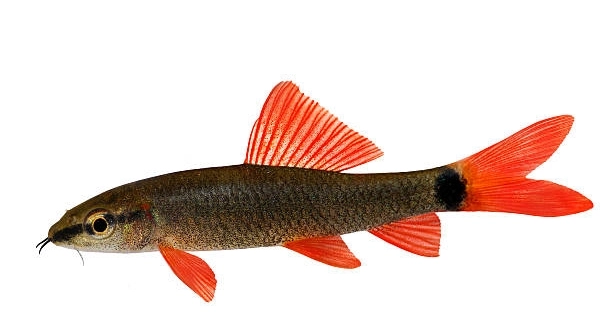
Are your rainbow sharks acting sluggish or less active than usual? Many fish owners may overlook signs that their aquatic pets need more exercise. Keeping these fish engaged is important for their overall health and well-being.
Rainbow sharks require regular physical activity to maintain muscle tone and prevent stress-related illnesses. Lack of exercise can lead to lethargy, poor appetite, and weakened immune responses. Monitoring behavior and environment helps identify when increased activity is necessary.
Recognizing these signs early can improve your fish’s quality of life and prevent potential health problems. This article outlines seven clear ways to tell if your rainbow shark needs more exercise.
Reduced Activity Levels
When a rainbow shark starts to swim less and spends more time hiding or resting, it may need more exercise. These fish are naturally active swimmers that enjoy exploring their environment. If you notice your rainbow shark lingering at the bottom of the tank or avoiding movement, it could be a sign of low energy or boredom. A lack of stimulation in the tank often causes this behavior. You might want to add more hiding spots, plants, or decorations to encourage swimming. Also, consider increasing the tank size if it feels cramped. Regular swimming is important to keep their muscles strong and to prevent stress. Ensuring the water quality is optimal is another key factor, as poor conditions can reduce activity. Overall, observing changes in swimming patterns helps you identify if your rainbow shark needs more physical activity to stay healthy.
Lack of movement in rainbow sharks often signals the need for more stimulation or exercise.
Adding variety to the tank and monitoring water conditions can encourage your rainbow shark to swim more. Introducing floating or moving objects like a small bubbler or rearranging tank décor can prompt activity. Feeding at different spots in the tank encourages exploration. Exercise helps maintain muscle strength and supports healthy growth. Ensuring your fish are comfortable in their environment reduces stress and prevents illness. By providing opportunities for movement and exploration, you can keep your rainbow shark lively and engaged. This prevents lethargy and improves overall well-being.
Changes in Appetite
A rainbow shark with less exercise may show changes in its eating habits. If you notice your fish is eating less or ignoring food, it could be related to inactivity. When fish are not active, their metabolism slows down, reducing their appetite. This can lead to weight loss or poor health if not addressed. Feeding smaller, more frequent meals might help stimulate interest in food. At the same time, avoid overfeeding as this can worsen water quality and cause other issues. Monitoring your fish’s eating habits alongside activity levels can give a clearer picture of its health. Changes in appetite combined with inactivity often suggest that your rainbow shark needs more exercise to improve metabolism and maintain energy.
Appetite changes in rainbow sharks can indicate a lack of exercise and affect their health.
Encouraging exercise through tank enrichment and feeding routines can restore appetite and energy.
Erratic Swimming Patterns
Erratic swimming can indicate that a rainbow shark needs more exercise. If your fish darts suddenly, swims in circles, or seems restless, it may be trying to release excess energy or respond to boredom. This behavior often points to a lack of physical activity.
Such irregular movement can stress the fish if it continues for too long. Introducing varied tank decorations or live plants can encourage more natural, purposeful swimming. These changes create an environment that requires your rainbow shark to navigate and explore, promoting healthier, more consistent movement patterns.
In addition, providing open swimming spaces alongside hiding spots balances exercise and rest. A well-arranged tank encourages controlled, steady swimming instead of frantic or aimless darting. This physical activity helps maintain muscle tone and reduces stress, improving overall health and behavior.
Changes in Coloration
A rainbow shark’s coloration can fade when it is not getting enough exercise. Dull or washed-out colors often signal stress or poor health caused by inactivity. Regular movement helps keep their vibrant colors bright.
Physical activity boosts circulation and metabolism, which supports healthy skin pigment. If your fish’s colors start to look pale or less vivid, it might be a sign that exercise is lacking. Tank lighting and water quality also affect coloration, but lack of movement remains a common factor.
Encouraging swimming with environmental enrichment helps restore color vibrancy. This can be done by adding live plants or rearranging the tank layout to create new swimming routes. Active fish typically display richer colors and better overall vitality. Keeping your rainbow shark engaged physically supports both its appearance and well-being.
Frequent Hiding
Rainbow sharks that hide more often than usual may need more exercise. Excessive hiding can be a sign of stress or boredom caused by inactivity.
Encouraging movement by rearranging tank elements or adding new features can reduce hiding behavior. More stimulation promotes a healthier, more active fish.
Weight Loss
Sudden or noticeable weight loss in rainbow sharks often results from low activity levels. Lack of exercise slows metabolism, which can lead to muscle loss and overall decline in health.
Monitoring your fish’s weight and adjusting its environment to encourage more swimming will help maintain a healthy body condition. Consistent physical activity supports proper growth and vitality.
Tank Size and Layout
A small or overcrowded tank limits space for swimming, which restricts exercise. Rainbow sharks need enough room to swim freely to stay healthy and active. An ideal tank size is at least 30 gallons with open areas for movement.
Rearranging tank decorations periodically encourages exploration and exercise. Providing hiding spots alongside open swimming zones balances activity and rest. Regularly updating the layout keeps your fish engaged, promoting consistent exercise and overall well-being.
FAQ
How much exercise does a rainbow shark need daily?
Rainbow sharks benefit from consistent, moderate exercise every day. Ideally, they should have enough space to swim actively for several hours. This can be supported by providing a tank of at least 30 gallons with open areas and places to explore. While exact time is hard to measure, ensuring they move regularly helps maintain muscle tone and overall health.
What are the best ways to encourage exercise in my rainbow shark?
Creating an engaging environment is key. Adding live plants, driftwood, and decorations that create swimming paths encourages movement. Rearranging tank décor every few weeks stimulates exploration. Feeding in different locations also promotes activity. Some owners use gentle water flow or bubblers to create currents that encourage swimming. Keeping the environment varied helps prevent boredom and supports physical activity.
Can lack of exercise cause health problems in rainbow sharks?
Yes, inactivity can lead to several health issues. Rainbow sharks that don’t get enough exercise may develop weakened muscles, poor metabolism, and stress-related illnesses. Lethargy increases the risk of infections and reduces their ability to fight disease. Exercise helps improve circulation and boosts the immune system, making regular movement essential for long-term health.
How can I tell if my rainbow shark is stressed or just resting?
Resting fish typically stay still in one spot but appear calm. Stress signs include erratic swimming, constant hiding, loss of color, and refusal to eat. If your rainbow shark is inactive but shows no other symptoms, it may just be resting. However, if inactivity is combined with other changes, it likely needs more exercise or environmental adjustments to reduce stress.
Does tank size really affect a rainbow shark’s need for exercise?
Absolutely. A small or overcrowded tank limits movement and exercise opportunities. Rainbow sharks require open swimming areas to stay active and healthy. A tank of at least 30 gallons is recommended to provide enough space. Larger tanks allow more natural behavior and reduce stress caused by cramped conditions, supporting both mental and physical well-being.
Is it normal for rainbow sharks to hide a lot?
Rainbow sharks do enjoy hiding spots, but excessive hiding may indicate stress or lack of exercise. If your fish is spending most of its time hiding and not swimming, it could be bored or unhealthy. Adjusting the tank environment to encourage exploration and movement helps reduce hiding behavior and promotes a balanced routine.
How can diet influence my rainbow shark’s exercise levels?
A balanced diet supports energy and motivation to swim. Overfeeding or underfeeding can both affect activity. Too much food can cause lethargy and poor water quality, while too little can lead to weakness and low energy. Feeding high-quality, varied food in appropriate amounts helps maintain energy for exercise and good health.
What signs show my rainbow shark is getting enough exercise?
Active swimming, bright coloration, good appetite, and healthy weight indicate sufficient exercise. Your fish should explore the tank regularly and show steady, controlled movement. When rainbow sharks maintain these behaviors, it suggests their environment and routine support their physical needs well.
Regular exercise is important for keeping your rainbow shark healthy and happy. These fish are naturally active swimmers, and when they do not get enough movement, it can affect their overall well-being. Exercise helps maintain muscle strength, supports good metabolism, and reduces stress. It also keeps their colors bright and improves their immune system. Without enough physical activity, rainbow sharks may become lethargic, lose appetite, or develop health issues. Paying attention to their behavior and environment is essential for spotting when they need more exercise.
Creating an engaging tank environment encourages your rainbow shark to stay active. Providing enough space, along with plants and decorations, can make a big difference. Rearranging the tank setup from time to time helps keep the fish interested in exploring and swimming. Feeding your fish in different spots within the tank also promotes movement. It is important to balance open swimming areas with hiding spots so your fish can rest when needed. Regular water quality checks and proper tank maintenance contribute to a healthy space where your rainbow shark feels comfortable moving around.
By observing your fish carefully, you can notice signs that indicate it needs more exercise, such as changes in swimming patterns, hiding too much, or fading colors. Acting on these signs early can prevent health problems and improve your rainbow shark’s quality of life. Exercise is not only a way to keep your fish physically fit but also supports its natural behavior and mental well-being. Ensuring your rainbow shark has the right environment and opportunities to move daily helps it thrive in its home aquarium.

Hello,
If you enjoy the content that we create, please consider saying a "Thank You!" by leaving a tip.
Every little bit helps us continue crafting quality advice that supports the health, happiness, and well-being of pets around the world, for pets of all shapes, sizes, and species.
We really appreciate the kindness and support that you show us!