
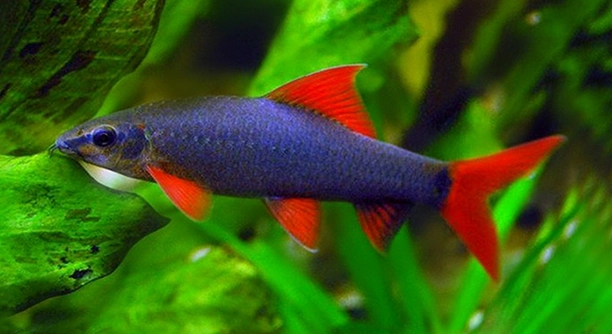
Is your rainbow shark acting differently, swimming less, or hiding more than usual? These changes could mean it feels overwhelmed.
A rainbow shark may become overwhelmed due to stressors like tank overcrowding, poor water quality, or lack of hiding spaces. Recognizing the signs early can prevent health problems and support a more stable aquarium environment.
By learning the key signs, you can take simple steps to help your fish feel safe and settled in its habitat.
Sign 1: Hiding More Than Usual
If your rainbow shark is suddenly spending most of its time hiding behind decorations, plants, or in corners, it may be feeling overwhelmed. While this species enjoys having private spots, constant hiding is not typical behavior. It often means your fish is reacting to something in the environment. It could be feeling stressed due to tank mates, lighting, or noise levels. Sudden environmental changes, like moving decorations or rearranging the tank, may also cause your shark to withdraw. Observe how long the hiding continues and whether it eats regularly. If this behavior lasts more than a few days, you may need to check water conditions and consider possible stress triggers. Adding more hiding spaces or calming the tank environment can help your rainbow shark feel safe again. Balanced lighting and a steady routine will also reduce stress and encourage normal swimming behavior.
Hiding is your shark’s way of saying it needs a break. Don’t ignore this change.
Offering your fish consistent care and a stable environment is essential. If you notice this pattern repeating, take time to assess tank layout, noise, and lighting. Your shark needs room to retreat but also space and confidence to come back out again. A few simple adjustments can help restore balance.
Sign 2: Increased Aggression
Some rainbow sharks show aggression when they’re overwhelmed, especially if the tank is too small or crowded. They may chase or nip at other fish more frequently than usual.
Aggression can be a result of overstimulation, lack of territory, or too many other fish invading the shark’s space. This species is territorial by nature, and without adequate room, they may feel constantly threatened. Keeping just one rainbow shark per tank and providing at least 55 gallons of space can help. Also, consider tank layout—plants and structures create natural boundaries and visual breaks. These help your fish feel more in control. Adding too many active or bottom-dwelling tank mates often worsens aggressive behavior, so choose calm, upper-level swimmers instead. If aggression continues, review your tank size, stocking levels, and layout. Fish health depends on a calm environment, and a peaceful tank helps reduce anxiety-driven outbursts.
Sign 3: Loss of Appetite
A rainbow shark that’s not eating like usual may be overwhelmed. Skipped meals or reduced interest in food often point to stress, poor water quality, or disruptions in its routine.
When a rainbow shark is stressed, it may stop showing interest in regular feeding times. This behavior can be triggered by overcrowding, sudden changes in water temperature, or inappropriate tank mates. Try offering its usual food in a quiet, undisturbed setting. If the food remains untouched, check ammonia, nitrite, and pH levels to ensure the water is safe. Also, avoid switching foods abruptly, as it may add to its stress. Keeping feeding times consistent and minimizing sudden tank activity can help. A stable, peaceful tank often encourages your shark to resume eating. Monitor its behavior closely, and if it continues to refuse food, consult a vet or aquatic specialist.
Lack of appetite may also come from internal health issues or infections. Check for other signs like lethargy, discoloration, or unusual swimming patterns. Parasites or digestive issues can cause discomfort and discourage eating. Avoid overfeeding during this time—leftover food can worsen water quality and raise stress levels. Instead, keep feeding minimal until your shark’s appetite returns. Regularly clean the tank and keep your shark’s environment as consistent and quiet as possible.
Sign 4: Erratic Swimming Patterns
Erratic swimming is a sign your rainbow shark is overstimulated or reacting to stress. Quick dashes, swimming in tight circles, or darting into tank walls usually means something isn’t right in the water or environment.
Stress-related swimming behaviors can be linked to sudden changes in lighting, tank mates, or water chemistry. Rainbow sharks are sensitive to shifts in their surroundings, especially if they’re frequent or dramatic. Loud sounds, bright lights, or tapping on the glass can startle them. If your shark darts around when you turn on the lights or approach the tank, it’s likely feeling overstimulated. Reduce direct noise and place the tank in a calm spot. Gradually adjust lighting and make any environmental changes slowly over time. Erratic swimming could also mean high ammonia or nitrite levels. Regular water testing and changes help prevent this. A calm setting and stable water conditions are key to reducing this behavior and helping your shark feel secure again.
Sign 5: Faded Coloration
When a rainbow shark starts to lose its bright color, it often means stress or discomfort. Poor water conditions, lack of hiding spaces, or an unbalanced diet can all cause duller coloring over time.
Stress hormones affect pigment cells, making the shark appear pale or washed out. Check lighting, temperature, and tank cleanliness.
Sign 6: Lethargy
Lethargy is usually a sign your rainbow shark isn’t feeling well. When overwhelmed, it may rest more, swim less, or stay near the bottom of the tank. This change in activity often points to poor water quality, stress from tank mates, or sudden environmental shifts. Use a test kit to check ammonia, nitrite, and pH levels. Make water changes gradually and avoid over-cleaning. If tank mates are nipping or chasing, consider moving them. Keep the environment quiet and consistent. Providing a clean, calm setting can help bring back your shark’s normal energy levels over time. Watch for improvement within a few days.
Sign 7: Gasping Near the Surface
When a rainbow shark gasps at the surface, it may not be getting enough oxygen. Poor aeration or high ammonia levels are common causes of this behavior. Fixing the issue quickly can help your shark breathe more comfortably again.
What causes a rainbow shark to feel overwhelmed?
Rainbow sharks can feel overwhelmed due to several factors. Common causes include overcrowded tanks, poor water quality, sudden changes in temperature or lighting, aggressive tank mates, and lack of hiding places. These stressors affect the fish’s health and behavior. Maintaining stable conditions is key to preventing stress.
How can I tell if my rainbow shark is stressed?
Signs of stress in a rainbow shark include hiding frequently, loss of appetite, faded colors, erratic swimming, lethargy, aggression, and gasping at the surface. These behaviors indicate discomfort or poor water conditions. Regular observation helps catch stress early.
Is overcrowding a big problem for rainbow sharks?
Yes, overcrowding is a major issue. Rainbow sharks need space to establish territories and swim freely. Crowded tanks lead to aggression and stress. A minimum tank size of 55 gallons is recommended for one shark to reduce territorial disputes and allow comfortable movement.
What water conditions are best for rainbow sharks?
Rainbow sharks thrive in water with a temperature of 72–79°F (22–26°C), pH between 6.5 and 7.5, and low ammonia and nitrite levels. Clean, well-filtered water with regular changes keeps the environment healthy and reduces stress.
Can aggressive tank mates cause stress?
Yes, aggressive or overly active tank mates can stress rainbow sharks. Territorial fish or bottom dwellers that compete for space cause anxiety. Choosing peaceful, mid- to top-level swimmers helps reduce conflict and allows the shark to feel secure.
How often should I clean the tank to prevent stress?
Regular maintenance is essential but avoid over-cleaning, which can disrupt beneficial bacteria. Partial water changes of 20-30% weekly or biweekly work best. Cleaning filter media gently maintains balance. A clean tank supports good health and reduces stress.
What foods help keep rainbow sharks healthy?
Rainbow sharks are omnivores. A balanced diet includes high-quality sinking pellets, flakes, and occasional live or frozen foods like bloodworms and brine shrimp. Fresh vegetables like zucchini or spinach can be added. Proper nutrition supports their color and immune system.
Can I reduce stress by adding decorations?
Yes, adding plants, caves, and driftwood provides hiding places that help the rainbow shark feel safe. These structures create territories and reduce exposure to aggressive tank mates. A well-decorated tank mimics natural habitat and lowers stress.
How do I know if my rainbow shark is getting enough oxygen?
If your shark is gasping near the surface or swimming erratically, it may lack oxygen. Ensure good water circulation with filters and air stones. Avoid overstocking the tank. Regular testing and maintenance keep oxygen levels adequate.
What should I do if my rainbow shark stops eating?
Loss of appetite can indicate stress or illness. Check water quality, tank conditions, and look for signs of disease. Offer favorite foods in a quiet environment and avoid sudden changes. If the problem persists, seek advice from a veterinarian or aquatic specialist.
Is sudden change in lighting stressful for rainbow sharks?
Yes, sudden or bright lighting can cause stress. Rainbow sharks prefer moderate lighting with some shaded areas. Use timers to maintain consistent light cycles and avoid direct sunlight or harsh artificial light.
How long does it take for a rainbow shark to recover from stress?
Recovery time varies depending on the cause and severity of stress. Minor stress may improve in days with proper care, while severe or prolonged stress can take weeks. Consistency in water quality, diet, and environment supports faster recovery.
Can tank size affect my rainbow shark’s behavior?
Absolutely. Small tanks limit swimming space and increase stress, leading to aggression and health problems. A minimum of 55 gallons per rainbow shark is recommended to promote natural behavior and reduce tension.
What are common signs of illness mistaken for stress?
Symptoms like faded color, lethargy, loss of appetite, and erratic swimming can indicate disease, not just stress. Parasites, bacterial infections, or poor water conditions might cause these signs. Proper diagnosis and treatment are important to ensure recovery.
How can I create a stress-free environment for my rainbow shark?
Maintain stable water parameters, avoid overcrowding, choose peaceful tank mates, provide hiding spots, and keep a regular feeding and cleaning schedule. Minimizing sudden changes in light or noise also helps. A calm, consistent environment is crucial.
When keeping rainbow sharks, it is important to recognize the signs that they may be feeling overwhelmed. These fish rely on a stable and calm environment to stay healthy and active. Changes in behavior such as hiding often, swimming erratically, or losing their bright colors are signals that something in their habitat might be causing stress. By paying attention to these signs early, you can take steps to improve their living conditions and help them feel more secure. This will not only improve their well-being but also make your aquarium more enjoyable to watch.
Maintaining good water quality is one of the most important factors in preventing stress for rainbow sharks. Regular water testing and partial water changes keep harmful chemicals like ammonia and nitrites low. Overcrowding can also increase stress, so providing enough space and appropriate tank mates is essential. Adding plants and hiding spots gives your fish places to retreat and feel safe. These simple adjustments create a more natural and comfortable environment, which supports your rainbow shark’s health and reduces aggressive behavior.
It is normal for fish to react to their surroundings, but prolonged signs of stress can lead to illness or even death. Observing your rainbow shark’s habits and environment closely allows you to notice when something is off. Promptly addressing problems with water quality, tank size, or social dynamics can help your fish recover quickly. Keeping your aquarium stable and peaceful benefits not just the rainbow shark, but all the fish living there. With proper care and attention, your rainbow shark can thrive and display its beautiful colors for years to come.

Hello,
If you enjoy the content that we create, please consider saying a "Thank You!" by leaving a tip.
Every little bit helps us continue crafting quality advice that supports the health, happiness, and well-being of pets around the world, for pets of all shapes, sizes, and species.
We really appreciate the kindness and support that you show us!