
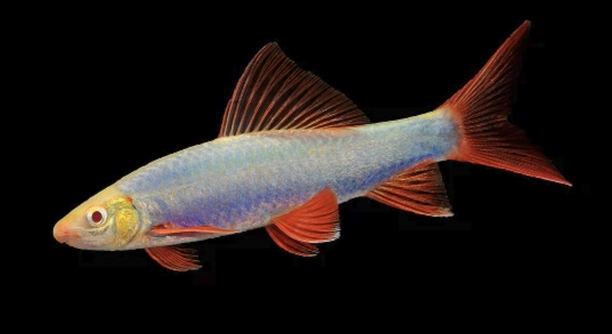
Rainbow sharks are popular freshwater fish known for their vibrant colors and active behavior. Many fish owners enjoy watching them swim and interact in their tanks. However, these fish require proper care, including social interaction, to thrive well.
Rainbow sharks that do not receive enough attention often show signs such as lethargy, loss of appetite, hiding behavior, faded colors, and increased aggression. These symptoms indicate stress and poor health caused by inadequate social stimulation or environmental neglect.
Recognizing these signs early can help improve your fish’s wellbeing and prevent long-term problems in your aquarium.
Signs of Lethargy and Lack of Energy
When a rainbow shark isn’t getting enough attention, one of the first things you might notice is lethargy. Normally, these fish are quite active, swimming around the tank with purpose. But if they start resting at the bottom or staying in one place for long periods, it may be a sign they’re feeling neglected. Their lack of energy can also be linked to stress or boredom. Without proper stimulation, the fish may lose interest in exploring or interacting with their environment. This decrease in movement is a warning that their physical and mental health could be at risk. Keeping an eye on how much your rainbow shark swims can help you catch these signs early. Encouraging activity with tank decorations or compatible tank mates can improve their energy levels and overall happiness.
Lethargic behavior often signals poor health or discomfort. Addressing it quickly is essential for your fish’s wellbeing.
Providing a balanced environment with enough stimulation encourages your rainbow shark to stay active. Regularly changing tank features or introducing gentle interaction can help reduce lethargy. Ensuring proper water quality and diet is also important, as poor conditions often cause low energy. When these needs are met, your rainbow shark is more likely to display lively, healthy behavior.
Changes in Appetite and Eating Habits
A loss of appetite is a common sign that your rainbow shark might not be getting enough attention. When these fish feel stressed or ignored, they often eat less or stop eating altogether. This can lead to weight loss and weakened immune systems, making them more prone to disease. Regular feeding routines and offering a variety of food types can encourage better eating habits. If your fish is not eating, it’s important to check water conditions and tank mates, as aggressive neighbors or poor water quality may cause stress.
Observing your fish’s eating habits closely helps detect early problems. Maintaining a calm, engaging environment supports a healthy appetite.
To help your rainbow shark regain interest in food, try feeding smaller portions more frequently. Adding live or frozen foods can also make meals more appealing. Avoid sudden changes in diet or environment that might increase stress. Consistent attention and care are key to ensuring your fish stays healthy and well-fed. Monitoring feeding behavior regularly helps catch issues before they worsen, allowing you to make timely adjustments to your care routine.
Hiding and Avoidance Behavior
Rainbow sharks that don’t get enough attention often hide more than usual. They may stay behind decorations or at the tank’s bottom for long stretches, avoiding interaction.
This behavior shows that your fish is feeling stressed or unsafe. Without enough stimulation or proper tank mates, rainbow sharks retreat to hiding spots to feel secure. When ignored, their natural curiosity decreases, and they may seem withdrawn or shy. It’s important to create an environment where they feel comfortable exploring and socializing. Adjusting tank conditions or adding gentle companions can reduce hiding behavior.
Hiding can also indicate illness or poor water quality. Regularly testing water and maintaining a clean tank helps prevent stress-related hiding. When rainbow sharks feel safe and noticed, they become more active and visible, making your aquarium livelier and healthier.
Faded Colors and Dull Appearance
A rainbow shark’s vibrant colors can fade when it doesn’t receive enough attention or proper care. Stress and lack of stimulation affect their physical health, causing colors to dull. Faded colors often signal that the fish’s environment isn’t ideal or that it’s feeling neglected. Ensuring a balanced diet and clean water is essential for maintaining their bright appearance.
Low activity levels and stress hormones also contribute to color loss. Providing enrichment, such as plants and hiding spots, can improve their mood and color. Regular interaction and proper tank management encourage your rainbow shark to regain its natural, vivid colors over time.
Increased Aggression Toward Tank Mates
When a rainbow shark feels ignored, it may become more aggressive toward other fish. This behavior results from stress and frustration caused by lack of attention or stimulation.
Aggression can lead to injuries or constant chasing, which worsens the tank’s overall environment. Managing their social needs helps reduce conflicts.
Excessive Fin Clamping
Fin clamping is a common stress response in rainbow sharks. When they are not getting enough attention, their fins may stay tightly pressed against their bodies for long periods.
This behavior indicates discomfort or anxiety. It is important to monitor this sign and improve their environment by providing stimulation and reducing stress factors.
Loss of Interest in Tank Environment
Rainbow sharks that receive little attention often lose interest in exploring their surroundings. They may ignore new decorations or changes in the tank setup, showing signs of boredom or stress.
How can I tell if my rainbow shark needs more attention?
Signs include lethargy, hiding often, loss of appetite, faded colors, increased aggression, fin clamping, and a lack of interest in the tank. These behaviors usually point to stress or boredom caused by insufficient stimulation or social interaction in their environment.
What causes my rainbow shark to become lethargic?
Lethargy in rainbow sharks often comes from stress, poor water conditions, or lack of stimulation. Without enough activity or interaction, they may lose energy and appear inactive. Ensuring clean water, proper diet, and an engaging tank setup encourages them to swim and explore.
Why does my rainbow shark hide so much?
Hiding is a natural defense when fish feel unsafe or stressed. If your rainbow shark spends too much time out of sight, it may be avoiding tank mates, bright light, or an unstimulating environment. Providing plants, caves, and gentle tank mates can help your fish feel secure and reduce hiding.
What should I do if my rainbow shark stops eating?
Loss of appetite is a serious sign. Check water quality, temperature, and tank mates to remove stress sources. Offering varied food like pellets, frozen, or live options can spark interest. Feed smaller portions more often and maintain a regular feeding schedule to encourage eating.
How can I reduce aggression in my rainbow shark?
Aggression often stems from stress and competition. Avoid overcrowding, provide enough hiding spots, and choose compatible tank mates. Sometimes adding decorations to break sightlines reduces territorial disputes. Consistent attention and a stable environment also help calm aggressive behavior.
What does fin clamping mean for my rainbow shark?
Fin clamping signals stress or discomfort. Causes include poor water quality, disease, or lack of stimulation. Test water parameters regularly and keep the tank clean. Add enrichment like plants or decorations to improve your fish’s environment and reduce anxiety.
Can changing the tank environment help my rainbow shark’s behavior?
Yes, modifying the tank by adding plants, caves, and varied decorations can stimulate your fish mentally and physically. New hiding spots and swimming areas encourage exploration and reduce boredom, improving overall mood and health.
How often should I interact with my rainbow shark?
While rainbow sharks are not cuddly pets, regular observation and gentle interaction help them feel secure. Feeding them at consistent times and occasionally adding new tank elements keeps their environment engaging without causing stress.
Is it normal for rainbow sharks to show aggression occasionally?
Some aggression is natural, especially during feeding or territorial defense. However, constant chasing or injuries mean the fish may be stressed or overcrowded. Adjusting tank mates, providing space, and enriching the environment can reduce harmful aggression.
What role does water quality play in my rainbow shark’s wellbeing?
Water quality directly affects health and behavior. High ammonia or nitrate levels cause stress, leading to signs like lethargy and fin clamping. Regular testing, partial water changes, and filtration maintenance keep the tank safe and your fish comfortable.
How can diet impact my rainbow shark’s behavior and color?
A balanced diet with varied food types supports health, energy, and vibrant colors. Poor nutrition causes dullness and weakens the immune system. Feeding quality flakes, pellets, and occasional live or frozen food encourages good appetite and coloration.
What tank mates work well with rainbow sharks to reduce loneliness?
Choose peaceful, similarly sized fish that won’t compete aggressively. Avoid other bottom dwellers that share the same space. Compatible species help provide social interaction and reduce loneliness, improving your rainbow shark’s mood and activity.
When should I seek help from a vet or fish expert?
If your rainbow shark shows prolonged lethargy, loss of appetite, fin damage, or unusual behavior despite improving tank conditions, consult a specialist. Early diagnosis and treatment prevent serious health issues and help your fish recover faster.
Taking care of a rainbow shark means paying close attention to its behavior and environment. These fish need more than just clean water and food to stay healthy—they need interaction and stimulation too. When a rainbow shark doesn’t get enough attention, it shows through different signs like hiding, fading colors, or not eating well. Knowing what to look for helps you catch problems early before they become serious. By understanding your fish’s needs, you can create a better home that supports its natural behavior and keeps it active.
It’s important to remember that every rainbow shark is different. Some may be more shy or aggressive depending on their personality and tank setup. The way they react to their surroundings can change if the water quality, tank mates, or feeding routines are not right. Providing enough space, hiding places, and a stable environment helps reduce stress. Regularly checking water conditions and offering a balanced diet are simple but effective ways to keep your fish healthy. Small changes, like adding plants or rearranging decorations, can make a big difference in encouraging your rainbow shark to explore and feel secure.
Paying attention to your rainbow shark’s needs takes effort but is rewarding. When your fish is healthy and active, it brightens up the entire aquarium. Making sure it gets enough attention and care not only prevents health issues but also helps your fish live a longer, happier life. Being mindful of signs like lethargy or aggression allows you to act quickly. Creating an engaging and safe environment will help your rainbow shark thrive and bring enjoyment to your tank for years to come.

Hello,
If you enjoy the content that we create, please consider saying a "Thank You!" by leaving a tip.
Every little bit helps us continue crafting quality advice that supports the health, happiness, and well-being of pets around the world, for pets of all shapes, sizes, and species.
We really appreciate the kindness and support that you show us!