
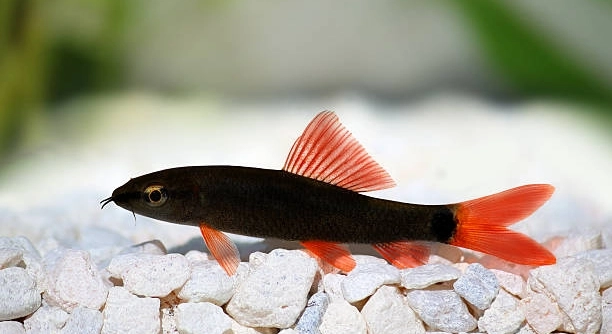
Rainbow sharks are popular freshwater fish known for their bright colors and active nature. Keeping their habitat safe requires attention to water quality, tank setup, and diet. Proper care helps them thrive and stay healthy over time.
Maintaining a secure environment for rainbow sharks involves consistent monitoring of water parameters, providing adequate space and hiding spots, and ensuring a balanced diet. These factors collectively contribute to the fish’s well-being and reduce stress-related issues.
Understanding how to maintain a safe habitat will improve your rainbow shark’s quality of life and promote a peaceful aquarium community. This article offers practical tips to help you care for these unique fish effectively.
Setting Up the Right Tank Environment
Choosing the correct tank size is essential for your rainbow shark’s health. A minimum of 30 gallons is recommended since these fish need space to swim actively. The tank should have smooth surfaces and plenty of hiding places made from rocks, plants, or decorations. This helps reduce stress and gives your fish places to explore and feel secure. Proper filtration is important to keep the water clean and oxygen-rich. Installing a filter that can handle at least twice the tank volume per hour ensures efficient waste removal. Regular water changes, about 25% weekly, maintain water quality and prevent harmful buildup. The tank should also have a secure lid to prevent the rainbow shark from jumping out, as they are known to be active jumpers. Using a dark substrate can help highlight the fish’s vibrant colors and create a natural setting that encourages their natural behavior.
A well-planned tank setup mimics the fish’s natural habitat and supports its overall health and activity. It reduces the risk of illness and promotes a calm, safe environment.
Keeping the right environment means monitoring the tank regularly. It’s important to maintain consistent water temperature between 74 and 80 degrees Fahrenheit. Adding live plants improves oxygen levels and provides extra cover. Position decorations to create swimming paths and resting spots. This balance helps the rainbow shark feel comfortable and lowers aggression in the tank. A stable environment leads to a longer, happier life for your fish.
Monitoring Water Quality and Parameters
Water quality is key for your rainbow shark’s safety and health. Testing water regularly helps catch issues early.
Water parameters should be checked weekly to maintain a healthy habitat. pH levels between 6.5 and 7.5 are ideal, along with moderate hardness. Ammonia, nitrite, and nitrate levels must stay low because high concentrations can harm your fish. Using a good test kit ensures accuracy and keeps water safe. Filtration and regular water changes help keep these levels balanced. Avoid sudden changes in temperature or water chemistry, as rainbow sharks can be sensitive to fluctuations. Maintaining stable conditions reduces stress and prevents disease. Keeping water clean and within these guidelines supports your fish’s immune system and encourages vibrant colors and active behavior.
Feeding Your Rainbow Shark Correctly
Rainbow sharks need a balanced diet to stay healthy. Feeding them a variety of foods ensures they get all the nutrients necessary for growth and energy.
Providing a mix of high-quality sinking pellets, algae wafers, and occasional live or frozen foods like bloodworms or brine shrimp keeps your fish well-nourished. Avoid overfeeding, as leftover food can pollute the water and harm your fish. Feed small amounts twice a day and remove uneaten food promptly. Offering plant matter also supports their natural diet and helps prevent nutritional deficiencies.
Feeding habits can affect behavior too. A well-fed rainbow shark is less likely to become aggressive or stressed. Adjust feeding amounts based on activity level and tank conditions to maintain a healthy balance.
Preventing Aggression in the Tank
Rainbow sharks can show territorial behavior if overcrowded or stressed. Providing enough space and hiding spots reduces conflicts and keeps peace.
Placing decorations and plants to create natural boundaries helps your rainbow shark feel secure. Avoid keeping them with overly aggressive or slow-moving species, as this can lead to stress or injuries. Adding other active, similarly sized fish encourages balanced interaction and reduces bullying. Monitoring fish behavior regularly allows early intervention if aggression rises. Maintaining clean water and stable conditions also reduces stress-related fighting. Managing tank mates and environment carefully ensures a calm, balanced community where your rainbow shark can thrive without unnecessary tension.
Regular Tank Cleaning
Regular cleaning prevents harmful buildup and keeps the water safe for your rainbow shark. Removing debris and uneaten food helps maintain good water quality.
Changing about 25% of the water weekly supports a stable environment. Clean the substrate carefully without disturbing beneficial bacteria.
Checking Equipment Functionality
Filters, heaters, and lights must work properly to maintain tank conditions. Regularly inspect and clean equipment to avoid sudden failures that could harm the fish.
Proper equipment ensures water stays clean and temperature stable, which is crucial for your rainbow shark’s health.
Quarantine New Fish
Quarantining new fish for at least two weeks helps prevent introducing diseases to your tank. This practice protects your rainbow shark from infections.
Keeping new arrivals separate allows you to observe their health before adding them to the main tank, reducing risk.
Avoid Sudden Changes
Sudden shifts in temperature or water chemistry stress rainbow sharks. Make changes slowly to help them adjust and stay healthy.
How often should I change the water in my rainbow shark’s tank?
Water changes are essential to keep your rainbow shark’s environment clean and healthy. It’s best to change about 25% of the tank water once every week. This helps remove waste, uneaten food, and toxins that can build up. If the tank is smaller or has many fish, more frequent changes might be needed. Always use dechlorinated water at the same temperature as the tank to avoid shocking your fish. Consistency is key, so sticking to a schedule helps maintain stable water conditions that your rainbow shark will appreciate.
What is the ideal tank size for a rainbow shark?
A minimum tank size of 30 gallons is recommended for a single rainbow shark. These fish are active swimmers and need space to move freely. If you plan to keep multiple rainbow sharks or other tank mates, consider a larger tank to prevent territorial behavior. Providing enough room also reduces stress and promotes healthier growth. Overcrowding can lead to aggression and poor water quality, so it’s important to match tank size to the number and size of fish. Proper space contributes to a safer, more comfortable habitat.
Can rainbow sharks live with other fish?
Yes, rainbow sharks can live with other fish, but tank mates should be chosen carefully. Avoid small, slow-moving, or very passive species, as rainbow sharks may become aggressive toward them. Suitable companions include similarly sized, fast-moving, or semi-aggressive fish that can hold their own. Avoid overcrowding and provide plenty of hiding places to reduce territorial disputes. Monitoring behavior regularly helps identify any signs of aggression early. A balanced community keeps all fish safer and happier.
What should I feed my rainbow shark daily?
Feed your rainbow shark a balanced diet consisting mainly of high-quality sinking pellets or wafers designed for bottom feeders. Supplement with occasional live or frozen foods like bloodworms, brine shrimp, or daphnia to add protein variety. Including some vegetable matter, such as blanched spinach or algae wafers, supports their natural diet. Feed small amounts two times a day and remove uneaten food to prevent water pollution. Adjust feeding based on your fish’s activity and appetite to avoid overfeeding, which can cause health issues.
How do I know if my rainbow shark is stressed?
Signs of stress in rainbow sharks include hiding excessively, loss of appetite, faded colors, and erratic swimming. Aggressive behavior toward tank mates or rubbing against surfaces can also indicate discomfort. Stress usually results from poor water quality, sudden environmental changes, overcrowding, or lack of hiding places. Regular water testing, stable conditions, and providing adequate space and shelter help reduce stress. If you notice these signs, check water parameters and tank setup immediately to address the problem.
What temperature is best for a rainbow shark?
Rainbow sharks thrive in water temperatures between 74°F and 80°F (23°C to 27°C). Maintaining a consistent temperature within this range supports their metabolism and immune system. Avoid rapid temperature changes, which can cause stress or illness. Using a reliable heater and thermometer helps keep the temperature stable. If the tank gets too cold or hot, your rainbow shark may become sluggish or more prone to disease. Keeping the temperature steady creates a safer, more comfortable environment.
How can I prevent diseases in my rainbow shark?
Preventing diseases starts with maintaining clean water and stable tank conditions. Regular water changes and proper filtration reduce harmful bacteria and toxins. Quarantining new fish before introducing them to the main tank helps avoid spreading infections. Feeding a balanced diet strengthens your fish’s immune system. Avoid overcrowding and monitor for any unusual behavior or appearance. Promptly treating any signs of illness with appropriate medication increases the chances of recovery. Good tank hygiene and care go a long way in keeping your rainbow shark healthy.
Why is my rainbow shark hiding all the time?
Hiding is a natural behavior for rainbow sharks, especially when they feel threatened or stressed. Frequent hiding can indicate poor water quality, overcrowding, or an aggressive tank mate. Lack of hiding spots may also cause your fish to feel insecure. Ensure the tank has plenty of decorations and plants where your fish can retreat. Check water parameters and tank conditions to rule out any problems. Providing a calm environment helps your rainbow shark feel safe and more active.
Can I keep more than one rainbow shark in the same tank?
Keeping multiple rainbow sharks together can be challenging due to their territorial nature. If you want to keep more than one, provide a large tank—at least 55 gallons—and plenty of hiding spaces. Space and tank layout help reduce aggressive encounters. Even then, some aggression might occur, especially as the fish mature. Monitor their behavior closely and be ready to separate them if fights happen. Many aquarists find better success keeping only one rainbow shark to maintain a peaceful tank.
Taking good care of your rainbow shark means paying attention to many important details. From setting up the right tank size to maintaining clean water, every step affects the fish’s health and happiness. Providing a safe and secure environment helps your rainbow shark live a long and active life. This includes making sure the water stays clean and stable, feeding the right foods, and keeping the tank free from stressors like overcrowding or aggressive tank mates. Consistent care and observation will allow you to spot any problems early and act before they become serious.
Regular maintenance plays a key role in keeping the habitat safe. Changing part of the water weekly, checking equipment like filters and heaters, and cleaning the tank carefully all contribute to a healthy environment. It is also important to watch your fish’s behavior and appearance. Changes such as hiding too much, loss of color, or reduced appetite can signal stress or illness. Being proactive about these signs helps protect your fish and prevents small issues from becoming bigger. Taking the time to learn about rainbow shark needs and tank conditions improves your success as an aquarium keeper.
Lastly, patience and attention make a big difference. Rainbow sharks need time to adjust when you bring them home or change their environment. Sudden changes can cause stress, so it is best to introduce new fish slowly and keep water parameters steady. Providing hiding places and a balanced diet supports their natural habits and overall health. With proper care, your rainbow shark will be an active and beautiful addition to your tank. Following simple tips and staying consistent in your efforts creates a safe and secure habitat for these striking fish.

Hello,
If you enjoy the content that we create, please consider saying a "Thank You!" by leaving a tip.
Every little bit helps us continue crafting quality advice that supports the health, happiness, and well-being of pets around the world, for pets of all shapes, sizes, and species.
We really appreciate the kindness and support that you show us!