
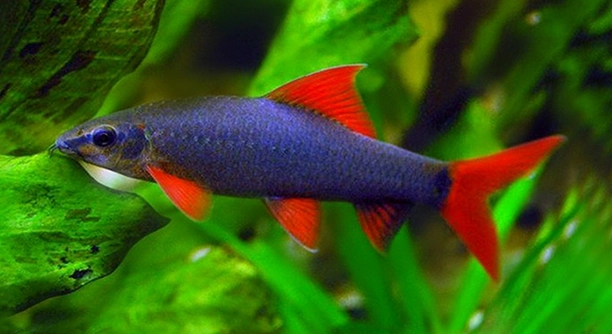
Is your rainbow shark spending more time hiding than swimming out for food? You may be seeing early signs of eating trouble. A few small changes can often help turn things around and restore healthy feeding habits.
The most common reason your rainbow shark is not eating enough is due to environmental stress. Poor water quality, incompatible tank mates, or an overcrowded setup can reduce appetite and lead to long-term health issues.
Understanding what causes feeding problems is the first step toward solving them. Each fix in this article offers a simple way to support your rainbow shark’s health and appetite.
Check Your Water Parameters
Keeping water clean and stable is important for rainbow sharks. They are sensitive to sudden changes, and poor water quality can make them lose interest in food. Ammonia, nitrites, and high nitrates can quickly affect their health. Always test your water weekly using a reliable test kit. Make sure the pH stays between 6.5 and 7.5, and keep the temperature between 75–81°F. If ammonia or nitrites are above zero, do a partial water change right away. Avoid overfeeding and remove uneaten food quickly. Also, make sure your filter is working properly and the tank has good water circulation. These small steps help reduce stress and keep your rainbow shark more active and likely to eat.
Maintaining a clean tank gives your fish a better chance of staying healthy. A stressed rainbow shark is more likely to skip meals, so water quality should always be your first focus.
Getting into the habit of testing the water regularly can prevent a lot of problems before they begin. If your fish isn’t eating, check your last few test results to spot any changes. Even if the water looks clear, there could be unseen issues that are affecting your rainbow shark’s appetite and behavior.
Watch for Aggressive Tank Mates
Rainbow sharks can be territorial, especially in smaller tanks.
If your rainbow shark is not eating, look at who else shares the space. Aggressive or fast-swimming fish can make it feel unsafe during feeding time. Even fish that aren’t usually considered aggressive might still nip or compete for food. When this happens, your rainbow shark may hide more and avoid eating altogether. Giving it a proper tank setup, including hiding spots, can help. If there are constant signs of stress—like torn fins, hiding, or swimming in short bursts—it might be time to rearrange the tank or rehome certain fish. A tank size of at least 55 gallons gives rainbow sharks enough space to claim territory without feeling overwhelmed. Adding visual barriers like driftwood or plants can also help reduce tension. Always observe behavior during feeding to catch these signs early. Keeping tank mates peaceful makes a big difference in your rainbow shark’s comfort and eating habits.
Adjust Feeding Time and Method
Rainbow sharks can be shy during feeding, especially if the tank is too active. Try feeding them when the lights are dim and the room is quiet. A calm setting can encourage better eating habits.
If your rainbow shark isn’t eating, it may not feel comfortable competing for food. Feed other fish first, then wait a minute before offering food near your rainbow shark’s preferred hiding area. Use sinking pellets or wafers rather than flakes, since they tend to stay on the bottom longer. Avoid overfeeding the tank in general—it clouds the water and makes feeding more stressful. You might also try using tweezers or a feeding stick to place food nearby without causing a stir. Feeding smaller amounts twice a day instead of one larger meal can also help reduce pressure and make your rainbow shark more likely to eat.
Changing feeding times and methods may take a few days to show results. Observe closely and stay consistent. Your rainbow shark might only need a small shift in routine to feel secure enough to eat. It’s also helpful to feed around the same time each day so your fish can build an internal rhythm. With patience and small changes, feeding time can become more effective and less stressful.
Offer the Right Type of Food
Rainbow sharks won’t eat if the food isn’t suitable or familiar. They need a mix of sinking pellets, algae wafers, and occasional protein like bloodworms or brine shrimp.
Stick to food made for bottom dwellers. Avoid floating flakes—they often go uneaten and create waste. Try giving a variety of foods over several days to see what your rainbow shark prefers. Sometimes, switching brands or formats can make a difference. If your fish has never had frozen or live food, introduce it slowly. Start with small amounts and watch how it responds. Some rainbow sharks show more interest in moving food like live daphnia. A bland or repetitive diet might also be the reason your fish isn’t eating. Balanced nutrition keeps your rainbow shark energized and helps improve appetite. Don’t rely on just one type of food—mixing it up helps meet both their nutritional needs and natural feeding behavior.
Rule Out Illness
Loss of appetite can be an early sign of illness. Watch for symptoms like bloating, faded color, frayed fins, or unusual swimming. If you see any of these signs, isolate the fish and monitor it closely for further changes.
Use a quarantine tank if you suspect disease. Treat with appropriate medication based on symptoms, but avoid overmedicating. A quiet, stress-free space can also support recovery. If no signs of illness appear within a few days, appetite may return once the stress is reduced.
Avoid Overcrowding
An overcrowded tank can create stress and lower oxygen levels, both of which affect appetite. Rainbow sharks need space to establish territory. A tank that’s too busy will leave them hiding more often and feeding less. Make sure each fish has enough room to swim freely and avoid constant interaction.
Keep the Tank Calm
Loud noises, sudden light changes, or tapping on the glass can all cause stress. A calm, steady environment helps your rainbow shark feel safe enough to eat.
Why is my rainbow shark hiding and not eating?
Hiding is often a sign that your rainbow shark feels stressed or threatened. This could be due to poor water quality, aggressive tank mates, or a tank that is too small. When stressed, rainbow sharks tend to eat less or stop eating altogether. Make sure to test your water regularly and watch how other fish behave around your shark. Adding plants or decorations for hiding spots can also help your fish feel safer. Reducing disturbances near the tank, like loud noises or sudden movements, may encourage your rainbow shark to come out and eat.
Can changing the water temperature help my rainbow shark eat more?
Yes, water temperature plays an important role in a rainbow shark’s appetite. If the water is too cold, their metabolism slows down, leading to less hunger. If it’s too warm, oxygen levels drop, which can also cause stress. Keep the tank temperature steady between 75°F and 81°F. Use a reliable heater and thermometer to monitor changes. Sudden temperature shifts should be avoided since they can shock the fish. Maintaining the right temperature creates a comfortable environment that supports regular feeding behavior.
How often should I feed my rainbow shark?
Feeding twice a day with small amounts is best. Overfeeding can cause water quality problems and discourage your fish from eating properly. Offer only what your rainbow shark can consume in about two minutes. Remove any uneaten food to avoid waste buildup. Feeding smaller portions more frequently mimics natural feeding habits and reduces competition with other fish. Consistent feeding times also help your fish develop a routine, which can improve its appetite and overall health.
Is it normal for rainbow sharks to stop eating for a few days?
Short periods of reduced eating can happen due to stress or changes in environment, like moving to a new tank or water parameter shifts. However, if your rainbow shark stops eating for more than three days, it may signal a health problem or poor tank conditions. Keep an eye on other symptoms such as lethargy, color loss, or unusual swimming patterns. If these occur, take action immediately by checking water quality and possibly consulting a vet or experienced aquarist. Early intervention is key to recovery.
What types of food are best for rainbow sharks?
Rainbow sharks thrive on a varied diet. Sinking pellets or wafers designed for bottom feeders work well. Supplement with occasional treats like bloodworms, brine shrimp, or blanched vegetables like zucchini or spinach. Live or frozen foods can stimulate natural hunting instincts and encourage feeding. Avoid floating flakes as they mostly stay at the surface, where rainbow sharks rarely feed. Offering different food textures and types prevents boredom and meets nutritional needs for growth and energy.
Can tank mates affect my rainbow shark’s eating habits?
Yes, tank mates have a big impact on your rainbow shark’s comfort and appetite. Fast or aggressive fish may intimidate your shark and prevent it from eating. Even shy rainbow sharks can be stressed if crowded or chased. Choose peaceful, compatible fish and provide plenty of hiding spots. Monitor interactions during feeding times. If your shark is consistently losing food or showing signs of stress, consider rearranging the tank or separating fish to reduce competition.
How can I tell if my rainbow shark is sick?
Look for changes in behavior, appetite, or appearance. Symptoms include faded colors, frayed or torn fins, swelling, unusual spots or lesions, and erratic swimming. A sick rainbow shark may also hide more and refuse food for several days. Regular observation helps catch illness early. If you notice these signs, isolate your fish to prevent spread and treat with appropriate medications. Maintaining good water quality and reducing stress supports faster recovery.
Will adding plants help my rainbow shark eat better?
Yes, live or artificial plants provide hiding spots and reduce stress, making your rainbow shark more comfortable during feeding. Plants create natural barriers that break lines of sight, helping your fish feel less exposed. This often encourages them to come out and eat. Choose hardy plants that tolerate your tank’s conditions, and arrange them to create shaded areas and hiding places. Properly planted tanks support a healthier environment overall, which benefits feeding and behavior.
Is it okay to skip feeding if my rainbow shark isn’t eating?
If your rainbow shark refuses food for a day, it’s usually not a problem. Fish can survive short fasting periods. However, avoid skipping meals regularly as this weakens the fish and can lead to health issues. If the fish refuses food for more than two days, check tank conditions and look for signs of illness or stress. Offer varied foods and adjust feeding times to stimulate appetite. Ignoring a prolonged loss of appetite can worsen the problem, so timely action is important.
How can I encourage a picky rainbow shark to eat?
Try changing the type of food, feeding location, and feeding time. Offer live or frozen foods, or gently move food closer to the shark’s hiding spot. Feeding during low light or quieter times helps reduce stress. Feeding smaller amounts more often can also help. Patience is key—some rainbow sharks need time to adjust to new foods or tank conditions. Avoid sudden changes and keep a consistent feeding routine to build trust and encourage eating.
When your rainbow shark is not eating enough, it can be worrying, but there are clear steps to help fix the problem. Most of the time, eating issues are linked to stress or changes in the fish’s environment. Things like water quality, tank size, and the behavior of other fish play a big role in how comfortable your rainbow shark feels. By focusing on these key areas, you can improve the chances your fish will return to a healthy feeding routine. It is important to remember that patience is needed. Changes in behavior don’t always improve right away, but steady care and attention will make a difference over time.
Keeping the tank clean and stable should always be a priority. Testing water regularly and making sure parameters like temperature and pH are within the right range helps reduce stress. Rainbow sharks need a calm and balanced environment to feel safe enough to eat well. Avoid overcrowding and watch the interaction between your fish and its tank mates. Sometimes moving a fish to a larger tank or rearranging decorations to create hiding spots can make your rainbow shark more relaxed. Stress from aggressive fish or too many inhabitants can cause your shark to hide and refuse food. Finding the right balance in the tank environment is key to improving appetite.
Lastly, feeding your rainbow shark the right food at the right times makes a big difference. Using sinking pellets and offering variety with frozen or live foods encourages natural feeding habits. Feeding smaller amounts twice a day helps reduce competition and makes the fish less nervous during meals. Keep an eye on your rainbow shark’s behavior and be ready to make small changes if needed. If health problems are suspected, act quickly by isolating the fish and seeking treatment. Consistent care and attention will help your rainbow shark stay healthy and enjoy its food again.

Hello,
If you enjoy the content that we create, please consider saying a "Thank You!" by leaving a tip.
Every little bit helps us continue crafting quality advice that supports the health, happiness, and well-being of pets around the world, for pets of all shapes, sizes, and species.
We really appreciate the kindness and support that you show us!