
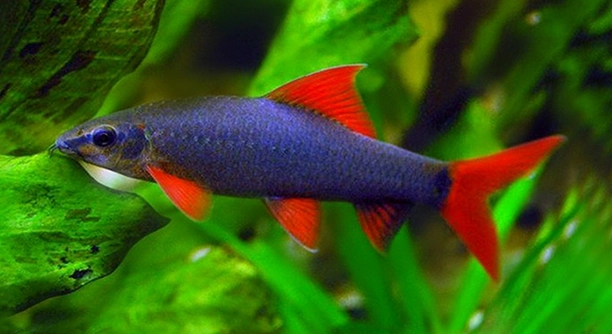
Rainbow sharks are popular aquarium fish known for their vibrant colors and active nature. They require proper care to stay healthy and avoid injuries. Understanding what causes harm to these fish is important for any aquarium owner.
Rainbow shark injuries often result from poor water quality, aggressive tank mates, overcrowding, sharp decorations, improper handling, stress, and nutritional deficiencies. Each factor can cause physical harm or weaken the fish, increasing the risk of injury and disease.
Learning about these common causes will help you create a safer environment for your rainbow shark and keep it thriving in your tank.
Poor Water Quality
Keeping the water clean is one of the most important things for rainbow sharks. Dirty water can cause injuries by irritating their skin and fins. Ammonia, nitrites, and nitrates build up when tanks are not cleaned regularly. These chemicals harm the fish’s protective slime coat, leaving them vulnerable to infections and wounds. If the water is cloudy or smells bad, it is a clear sign that it needs attention. Regular water changes and proper filtration help maintain good water quality. Testing the water parameters weekly can prevent many problems. When the environment is healthy, rainbow sharks can swim freely without stress or injury.
Poor water conditions often lead to fin rot and open wounds, which can cause long-term damage if untreated.
Maintaining clean water also reduces stress, which is critical because stressed fish are less able to heal or fight off infections. Consistent care with water quality not only prevents injury but also supports the overall well-being of your rainbow shark.
Aggressive Tank Mates
Choosing tank mates carefully is important for rainbow sharks. Some fish may be aggressive or territorial, leading to fights and injuries. Even fish that seem peaceful might nip fins or chase the rainbow shark around the tank. This constant harassment can cause stress and physical damage. It is best to avoid putting rainbow sharks with very aggressive or overly active species. Instead, select calm, compatible fish that won’t compete aggressively for space or food. Providing plenty of hiding spots can also reduce conflicts and give your shark places to retreat when feeling threatened. Monitoring interactions in the tank regularly helps catch any problems early before injuries occur.
Overcrowding
Overcrowding in an aquarium creates stress and increases the chance of injury for rainbow sharks. Too many fish compete for limited space, which can lead to chasing and fin damage.
When the tank is too crowded, fish don’t have enough room to swim freely. This causes stress and aggressive behavior, as they compete for food and territory. Rainbow sharks especially need space because they are territorial by nature. Overcrowding limits their ability to establish a safe area, resulting in fights and injuries. Keeping the fish population within recommended limits reduces stress and keeps everyone healthier. Adding decorations and hiding spots helps but cannot replace enough swimming space.
Proper stocking also ensures good water quality since overcrowded tanks produce more waste. This combination of space and cleanliness is key to preventing injuries in rainbow sharks.
Sharp Decorations
Sharp decorations in the aquarium can cause physical harm to rainbow sharks if not chosen carefully. These fish love to explore, so rough edges can lead to cuts.
Plastic plants, rocks, and ornaments with jagged edges may tear fins or scrape skin during swimming. These injuries can become infected if not treated. Smooth, rounded decorations are safer choices. Before placing new items in the tank, checking them for sharp points can prevent harm. Sand or fine gravel substrate is also gentler on the fish’s body compared to rough or sharp gravel. Smooth surfaces allow your rainbow shark to swim comfortably and avoid accidental injuries.
Maintaining a safe environment means balancing aesthetics with the well-being of your fish. Simple changes like removing sharp objects can protect your rainbow shark from unnecessary wounds.
Improper Handling
Handling rainbow sharks roughly or too often can cause injuries. Their delicate fins and bodies are easily damaged by careless touch.
Using a soft net and minimizing handling helps reduce stress and prevent wounds. When necessary, handle gently and support the fish properly to avoid harm.
Stress
Stress weakens a rainbow shark’s immune system and makes injuries more likely. Changes in environment, poor water quality, or aggressive tank mates cause stress.
Stress can lead to hiding, loss of appetite, and slower healing of wounds. Keeping stable conditions and a calm tank environment reduces stress and supports recovery.
Nutritional Deficiencies
A poor diet lacking essential nutrients weakens rainbow sharks, making them more prone to injury and illness. Balanced feeding is crucial for their health.
Overfeeding
Overfeeding causes poor water quality and can make fish lethargic, increasing injury risk. Feeding the right amount is important for maintaining a healthy tank.
FAQ
How can I tell if my rainbow shark is injured?
Injuries often show as torn fins, visible wounds, or unusual swimming behavior. Your fish may also hide more or lose appetite if hurt. Watch closely for any signs of damage or changes in activity to catch problems early.
What is the best way to treat minor injuries on a rainbow shark?
For small wounds, improving water quality is essential to prevent infection. You can also add aquarium salt to the water, which helps healing. Avoid handling the fish too much, and keep the tank clean. If wounds worsen, consider consulting a vet.
How often should I change the water to prevent injuries?
A weekly water change of 20-30% is ideal for maintaining good water quality. This helps remove harmful chemicals that irritate the fish’s skin and keeps the environment stable. Regular testing ensures the water stays safe for your rainbow shark.
Can aggressive tank mates cause permanent damage?
Yes, continuous harassment from aggressive fish can cause lasting fin damage and stress. Stress weakens the immune system, making your rainbow shark more vulnerable to infections. Choosing peaceful companions is important for their safety.
What types of tank decorations are safe for rainbow sharks?
Smooth, rounded objects like polished rocks, plastic plants without sharp edges, and soft substrates are safest. Avoid decorations with jagged surfaces that might tear fins or cause scratches.
Is it necessary to quarantine new fish before adding them to the tank?
Quarantining new fish for at least two weeks helps prevent the spread of diseases and parasites. This protects your rainbow shark from injuries caused by infections introduced by new tank mates.
How do I reduce stress in my rainbow shark?
Maintain stable water conditions, provide enough space, and avoid sudden changes in the tank environment. Adding hiding spots gives your fish places to retreat and feel safe. A calm tank helps keep your rainbow shark healthy and injury-free.
What should I feed my rainbow shark to avoid nutritional deficiencies?
A balanced diet including pellets, flakes, and occasional live or frozen foods ensures proper nutrition. Supplements like vitamins can support immune health. Avoid overfeeding, which can harm water quality and fish health.
Can injuries heal on their own?
Minor injuries may heal if the environment is clean and stress-free. However, deep wounds or infections need attention. Monitoring your fish’s condition and providing proper care is essential for recovery.
When should I seek professional help for my injured rainbow shark?
If wounds are deep, do not improve, or your fish shows signs of severe stress like lethargy or refusal to eat, consult an aquatic vet. Early treatment can prevent serious complications.
Taking good care of a rainbow shark means paying attention to many small details in its environment and routine. These fish are beautiful and active, but they can be delicate and prone to injuries if their needs are not met. By keeping the water clean, choosing the right tank mates, and avoiding sharp decorations, you reduce many common risks. Simple habits like regular water changes and careful handling make a big difference. When the fish feel safe and comfortable, they are less likely to get hurt and more likely to stay healthy for a long time.
Stress and diet also play important roles in keeping your rainbow shark injury-free. Stress from overcrowding, aggressive fish, or sudden changes in the tank can weaken their immune systems. This makes them vulnerable to infections and slow healing. Providing hiding places and keeping stable conditions helps reduce this stress. At the same time, feeding a balanced diet supports their health from the inside. Nutritional deficiencies can weaken their fins and skin, increasing the chance of injury. Overfeeding can harm water quality, so feeding the right amount is important too. All of these factors together create an environment where your fish can thrive without unnecessary risks.
In the end, being mindful and proactive is the best way to avoid injuries. Watching your fish closely for any changes or signs of damage helps catch problems early. Small wounds can often heal on their own with good care, but deep injuries or infections need attention. Quarantining new fish and choosing peaceful tank mates also protect your rainbow shark from harm. Creating a balanced and safe tank setup shows respect for the needs of these fish and rewards you with a healthy, colorful addition to your aquarium. Taking these steps ensures your rainbow shark lives comfortably and safely in your care.

Hello,
If you enjoy the content that we create, please consider saying a "Thank You!" by leaving a tip.
Every little bit helps us continue crafting quality advice that supports the health, happiness, and well-being of pets around the world, for pets of all shapes, sizes, and species.
We really appreciate the kindness and support that you show us!