
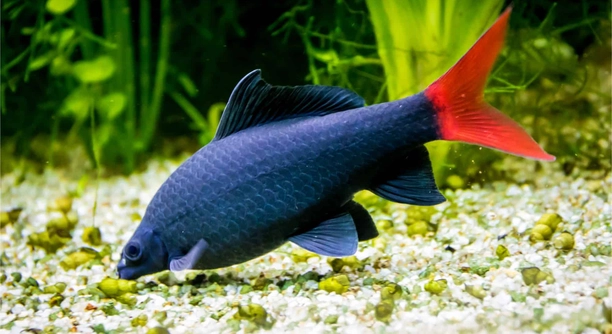
Do you ever find yourself setting up a new aquarium and feeling unsure about the right tank size for your rainbow shark? These active and territorial fish need more space than many beginners realize.
The ideal tank size for a rainbow shark is at least 55 gallons. This size provides ample swimming space and helps prevent aggressive behavior, as these fish can become territorial in smaller, cramped environments.
Tank size plays a key role in your rainbow shark’s health, behavior, and lifespan. Learning what works best can make a big difference in your aquarium setup.
Why Rainbow Sharks Need a Spacious Tank
Rainbow sharks may look small and manageable, but they thrive in larger tanks. A minimum of 55 gallons is recommended, though more space is often better. These fish are very active and need plenty of room to swim. They are also territorial, especially as they grow older. In a small tank, a rainbow shark may become aggressive and stressed, which can lead to health problems or fights with other fish. A larger tank helps keep their behavior in check by giving them space to establish a territory without harming others. Proper hiding spots, decorations, and plants can also support their need for personal space and reduce stress. Keeping them in a tank that’s too small can shorten their lifespan and make them more difficult to manage. A roomy setup keeps them active, calm, and healthy, while also making your aquarium more peaceful and easier to care for.
Even if your rainbow shark is young and small, planning for its full adult size is important.
As they grow, rainbow sharks can reach up to six inches long. Their swimming style is fast and active, which makes a tight tank stressful. Giving them more space early on helps them feel secure and safe. It also prevents the need for tank upgrades later. You’ll also notice their behavior improves in a well-sized tank. They tend to explore more, hide less, and interact more naturally with their surroundings. If you add other fish, the extra room gives everyone a better chance of getting along. Just make sure the tank has enough decorations to break lines of sight, so the rainbow shark doesn’t feel too exposed. In short, more space allows you to create a better environment—not just for your rainbow shark, but for all your aquatic pets. Choosing the right tank size is one of the most important steps in keeping this fish healthy.
Common Tank Mistakes to Avoid
Many people assume a small tank is fine because rainbow sharks start out tiny.
Using a small tank may seem easier at first, but it often leads to problems. In a cramped setup, rainbow sharks can become territorial to the point of attacking other fish. Even if they appear calm at first, their behavior may change quickly as they grow. Smaller tanks also limit swimming space, which increases stress and makes them more prone to illness. Poor water quality builds up faster, and the stress of a confined space weakens their immune system. Tank mates may suffer too, especially slower or bottom-dwelling fish. Over time, the lack of space creates an unstable environment for the whole tank. Always start with the right size to avoid these issues. A bigger tank may take more room, but it supports a healthier, more balanced environment for your rainbow shark and any other fish you choose to keep with it.
Choosing the Right Tank Shape and Setup
Long tanks are better than tall ones because rainbow sharks need horizontal space to swim.
Rainbow sharks are bottom-dwelling fish that spend most of their time exploring the lower half of the tank. A long, rectangular tank gives them room to swim side to side, which is more natural for them than moving up and down. Avoid tall, narrow tanks, as they don’t offer enough horizontal space. Adding caves, rocks, and driftwood helps break up the space and gives the shark places to claim as its own. This setup also helps reduce aggression and keeps the fish feeling more secure in its territory.
Make sure the tank has a tight-fitting lid, as rainbow sharks are known to jump. The water should be kept clean with a strong filter that can handle their waste and keep the environment stable. Lighting should be moderate—bright lights can stress them out. Smooth gravel or sand works well as a substrate since they stay near the bottom. Keep the temperature between 72°F and 79°F and the pH around 6.5 to 7.5. Test the water weekly to maintain stable conditions. Avoid overcrowding the tank with decorations, though. They need open swimming space just as much as hiding areas. A well-balanced tank layout goes a long way in keeping your rainbow shark healthy.
Tank Mates and Space Sharing
Tank mates can be tricky because rainbow sharks are territorial and don’t always get along with others.
If you want to add more fish, focus on species that stay in the upper or middle parts of the tank. Fast swimmers that don’t invade the rainbow shark’s territory tend to do best. Avoid slow-moving fish or others that live near the bottom, like loaches or catfish, as these can trigger aggression. Fish that look too similar may also cause trouble. A larger tank makes it easier to manage these dynamics, but careful planning is still key. Monitor their behavior closely for signs of stress or bullying after adding new fish.
A 55-gallon tank or larger is more likely to support peaceful cohabitation. Add plenty of hiding spots and use plants or rocks to break up sightlines so the rainbow shark can’t constantly see the other fish. This reduces tension and makes it easier for everyone to settle into their own space. Try introducing all fish at once instead of adding them gradually, so the rainbow shark doesn’t feel like the tank is only theirs. If aggression does happen, rearranging the tank layout can help reset boundaries. Every fish is different, so what works for one rainbow shark may not work for another. Be ready to adjust your tank setup based on how your fish respond.
Growth and How It Affects Tank Needs
Rainbow sharks grow quickly and can reach up to six inches in length. A small tank that once seemed fine may quickly become too tight. As they grow, they need more space to swim, explore, and claim their territory without stress.
Cramped tanks can cause aggression and stunted growth. A larger tank helps prevent this.
Signs Your Tank Is Too Small
If your rainbow shark becomes aggressive, hides often, or stops eating, the tank may be too small. You might also notice them chasing other fish more or acting restless. These signs usually mean they feel crowded or stressed.
When to Upgrade the Tank
Upgrading is necessary once your rainbow shark reaches about four inches or starts showing territorial behavior. A 55-gallon tank helps prevent future problems. Switching tanks earlier rather than later helps your fish adjust more easily and gives them the stable environment they need.
FAQ
Can a rainbow shark live in a 20-gallon tank?
No, a 20-gallon tank is too small for a rainbow shark. While they may survive in it as juveniles, the lack of space will quickly cause stress, territorial aggression, and health problems. These fish need swimming room and space to establish their own territory. A small tank limits movement and raises the risk of fights with other fish. It also affects water quality faster, which can impact their health. A 55-gallon tank or larger is much better for long-term care. Even if it seems like overkill at first, it will pay off in the long run.
Can two rainbow sharks live together?
It’s not recommended to keep two rainbow sharks in the same tank. They are naturally territorial and will likely fight, especially if the tank is too small. Even in tanks over 100 gallons, aggression can still be a problem. These fish tend to view others of the same species—or even similar-looking fish—as rivals. If you attempt it, the tank must be very large, have lots of hiding spots, and still, it may not work. In most home setups, one rainbow shark per tank is the safest choice. It keeps things calmer and avoids serious injuries.
How big do rainbow sharks get?
Rainbow sharks usually grow to about six inches long. Some may get slightly larger, but six inches is the average adult size. They start off small in pet stores, which can be misleading. As they grow, their tank needs change. A tank that was once fine can quickly feel cramped. Always choose a tank based on their adult size, not their juvenile size. Planning ahead makes a big difference in their long-term health and behavior. Giving them the right space early on helps them develop normally and stay active and peaceful.
What decorations help a rainbow shark feel comfortable?
Rainbow sharks like caves, tunnels, and other hiding spots. These give them a place to retreat and claim as their own territory. Rocks, driftwood, and tall plants work well. Spread them out around the tank to break up open areas. This helps reduce stress and aggression. Decorations also help if you’re keeping other fish, as they give everyone a place to hide and avoid conflict. Just don’t overcrowd the tank. Leave enough open space for swimming. A balanced layout of hiding spots and open water helps keep your rainbow shark calm and healthy.
Can rainbow sharks live with other bottom dwellers?
It’s usually not a good idea to pair rainbow sharks with other bottom-dwelling fish. Since they stay near the bottom, they’ll view others in that zone as competition. This can lead to chasing, nipping, or worse. Bottom feeders like catfish, loaches, or other sharks are often targets. If you want tank mates, go with fast swimmers who stay in the middle or top areas of the tank. Even then, a large tank is needed to give each fish enough space. Always watch for signs of aggression and be ready to separate them if needed.
Do rainbow sharks need tank mates?
Rainbow sharks don’t need tank mates to stay healthy. They do fine on their own as long as their tank is well maintained and properly sized. Some people like having community tanks, but adding other fish always carries a risk with rainbow sharks. If you want other fish, choose species carefully. Avoid bottom dwellers, slow movers, or fish that resemble sharks. Also, introduce all fish at the same time, so no one claims the tank as their own before others arrive. Keep a close eye on how they interact, especially during the first few weeks.
How often should you clean a rainbow shark’s tank?
You should do partial water changes every week, replacing about 20–30% of the water. This helps maintain good water quality and reduces waste buildup. A strong filter helps too, but it’s not enough on its own. Scrub algae, vacuum the substrate, and test water regularly. Keep an eye on ammonia, nitrite, nitrate, and pH levels. Clean decorations and filter media gently when needed—don’t wash everything at once or with soap. Keeping the tank clean helps your rainbow shark stay active, eat well, and avoid health problems linked to dirty water.
What water parameters do rainbow sharks need?
Rainbow sharks do best in temperatures between 72°F and 79°F. The pH should stay between 6.5 and 7.5. Hardness should be in the moderate range. They prefer stable conditions and don’t handle sudden changes well. Use a good-quality heater and thermometer to monitor temperature. Test the water weekly to make sure levels stay in range. If anything seems off, take action quickly to fix it. Avoid overfeeding, since leftover food affects water quality. Keeping the environment consistent is key to a healthy, active rainbow shark. They thrive when their surroundings stay balanced.
Final Thoughts
Rainbow sharks are beautiful and active fish, but they need the right tank size to stay healthy and calm. Many people make the mistake of putting them in small tanks when they are young. This can lead to problems as the fish grows. A 55-gallon tank or larger gives them the space they need to swim, explore, and claim a territory without feeling crowded. A proper tank size also helps reduce aggressive behavior and makes the tank easier to manage overall. It’s one of the most important parts of setting up a safe and balanced home for your rainbow shark.
Along with the right tank size, the shape and setup of the tank matter. Rainbow sharks are bottom dwellers that prefer long, horizontal space over vertical height. A tank with smooth gravel or sand, hiding spots like caves or driftwood, and open swimming space will keep them happy. The water should be kept clean and stable, with a good filter and weekly maintenance. All of these things work together to support their health and behavior. It might take a little planning at first, but once everything is in place, it becomes much easier to keep them healthy and relaxed.
Owning a rainbow shark can be a rewarding experience if their needs are respected. These fish are known for their bold look and strong personality, but they require careful planning, especially when it comes to space and tank mates. One fish per tank is usually the best approach, but if you add other fish, make sure the tank is large enough and has enough hiding spots to reduce tension. Watch their behavior closely and make changes if needed. Rainbow sharks can live several years in the right environment, so setting up a tank that works for them from the beginning will lead to a more peaceful and stable setup. Keeping things simple, giving them space, and meeting their basic needs will go a long way in helping your rainbow shark live a healthy and comfortable life.

Hello,
If you enjoy the content that we create, please consider saying a "Thank You!" by leaving a tip.
Every little bit helps us continue crafting quality advice that supports the health, happiness, and well-being of pets around the world, for pets of all shapes, sizes, and species.
We really appreciate the kindness and support that you show us!