
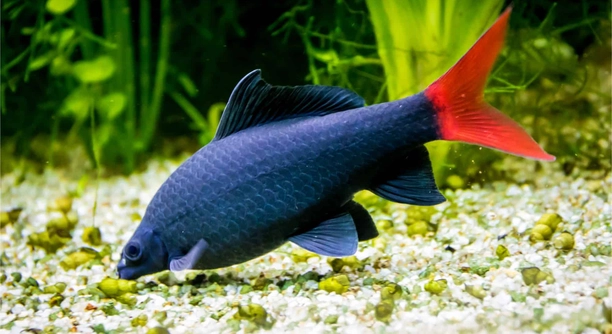
Rainbow sharks are popular freshwater fish known for their striking colors and peaceful nature. Many owners enjoy watching their unique swimming patterns and interactions in the tank. However, these fish can sometimes be shy or withdrawn around other tank mates.
To encourage a rainbow shark to be more social, it is important to create a suitable environment with enough space, provide hiding spots, and introduce companions carefully. Regular feeding routines and gentle interactions also help reduce stress and promote social behavior.
Improving your rainbow shark’s social habits can make your aquarium a livelier and more enjoyable space. Understanding these key steps will help your fish feel more comfortable and engaged.
Provide Adequate Space in the Tank
Rainbow sharks need enough room to swim freely and establish their territory. A cramped tank can cause stress, making them hide or act aggressively. Ideally, a tank should be at least 40 gallons when keeping one rainbow shark. This gives them space to explore and reduces competition with other fish. Without enough space, they may feel trapped and reluctant to interact.
Creating a spacious environment encourages more natural behavior. When they have room to move, they are less likely to be defensive and more likely to be curious about other fish. Also, plenty of open swimming areas let them show off their colorful patterns, which adds to their social appeal.
Making sure your tank is large enough helps your rainbow shark feel secure. This simple step can change their mood and increase social activity. When they aren’t stressed, they are more likely to interact and be active in their environment.
Add Hiding Spots and Decorations
Hiding spots are essential for rainbow sharks to feel safe. These fish like to retreat when they feel threatened or overwhelmed. Adding caves, plants, or driftwood offers places to rest and hide. It reduces their stress and builds confidence.
Hiding places give the fish control over their environment. They can choose when to come out and when to stay hidden. This balance helps them explore more often and become more social with tank mates.
Decorations also break up the tank visually, making it less intimidating. Variety in the tank’s layout keeps the fish curious and engaged. When your rainbow shark has a comfortable retreat, it will feel less anxious and more willing to interact. These small adjustments can greatly improve their behavior over time.
Introduce Compatible Tank Mates Slowly
Rainbow sharks are territorial but can live with the right companions. Adding tank mates gradually helps avoid stress and aggression. Introduce one or two calm species that don’t compete for the same space or food. Avoid other bottom dwellers that might trigger fights.
Watch how your rainbow shark reacts when new fish arrive. Keep the lighting dim and feed the fish well to reduce tension. If aggression occurs, separate them until everyone calms down. This careful approach allows the rainbow shark to adjust at its own pace.
Slow introductions make socializing safer and more comfortable. It prevents overwhelming the fish and helps build trust. Over time, your rainbow shark may become more active around others and show less territorial behavior. With patience and observation, your aquarium can become a peaceful, social space for all its inhabitants.
Maintain a Consistent Feeding Schedule
Feeding your rainbow shark at the same times daily helps build routine and trust. Consistency reduces stress and encourages the fish to come out when it’s mealtime. Regular feeding also keeps their energy up and promotes healthy behavior.
A predictable feeding schedule allows your rainbow shark to anticipate when food will arrive, making them less anxious. Offering food in the same spot each time can create a social gathering point, encouraging interaction with other fish. Use high-quality sinking pellets or wafers designed for bottom feeders, supplemented with occasional live or frozen foods like bloodworms or brine shrimp to provide variety. Keeping the feeding routine steady makes your rainbow shark more confident and social.
In addition to timing, make sure to feed the right amount to avoid overfeeding, which can cause water quality issues and harm the fish’s health. Balanced nutrition and a steady schedule support overall wellbeing and promote positive behavior.
Handle with Care and Avoid Sudden Movements
Rainbow sharks are sensitive to sudden changes and rough handling, which can cause stress or injury. Gentle movements near the tank and slow approaches help keep them calm. Avoid tapping or startling the glass, as this can make them skittish.
By being calm and predictable around the tank, you help your rainbow shark feel safe. Repeated gentle interactions may increase their comfort level and encourage curiosity. Try to observe quietly and avoid sudden lights or loud noises. This creates a peaceful environment where your fish can become more social naturally.
Stress from abrupt actions often leads to hiding or aggressive behavior. Consistent, calm handling reduces fear and builds trust over time. When your rainbow shark feels secure, it is more likely to explore and engage with its surroundings and other fish.
Keep Water Quality High
Clean water is vital for rainbow sharks’ health and social behavior. Poor water conditions cause stress, making them hide or act aggressively. Regular water changes and filtration keep the tank environment stable and comfortable.
Testing water parameters often helps catch issues early. Maintaining proper pH, temperature, and ammonia levels supports your fish’s wellbeing. Healthy water encourages more active and social behavior.
Use Lighting to Support Natural Behavior
Lighting should mimic a natural day-night cycle to help your rainbow shark feel secure. Bright, consistent light during the day and dimmer light at night encourages normal activity patterns and reduces stress.
Providing a gradual change in lighting, rather than sudden shifts, creates a calm environment. This helps the fish feel more at ease and willing to socialize.
Avoid Overcrowding
Overcrowding leads to competition and stress among fish. It makes rainbow sharks feel threatened and less likely to interact peacefully.
A well-balanced number of tank mates allows space for everyone to thrive. Adequate room helps your rainbow shark be more social and comfortable in its habitat.
FAQ
How can I tell if my rainbow shark is stressed?
A stressed rainbow shark may hide more than usual, show signs of aggression, or lose its bright colors. It might also stop eating or swim erratically. Stress can come from poor water quality, overcrowding, or sudden changes in the tank environment.
If you notice any of these signs, check your water parameters, tank size, and tank mates. Making adjustments like increasing hiding spots or reducing noise around the tank often helps the fish relax. Stress reduction is key to encouraging social behavior.
What tank size is best for a rainbow shark?
A minimum of 40 gallons is recommended for one rainbow shark. This size gives them enough space to swim and claim territory without feeling cramped. Larger tanks are better when keeping multiple fish or adding other species.
Space reduces stress and territorial fights, which helps the rainbow shark be more active and social. A well-sized tank with plenty of swimming room supports healthy behavior and peaceful tank interactions.
Can rainbow sharks live with other fish?
Yes, but careful selection of tank mates is important. Choose peaceful, fast-swimming fish that occupy different levels of the tank to avoid competition. Avoid other bottom dwellers that might trigger territorial behavior.
Introduce new fish slowly and watch for signs of aggression. Proper introductions and compatible tank mates help rainbow sharks feel secure and more willing to engage socially. This leads to a more balanced aquarium environment.
How often should I feed my rainbow shark?
Feed your rainbow shark once or twice daily with sinking pellets or wafers made for bottom feeders. Supplement with occasional live or frozen foods like bloodworms or brine shrimp to keep their diet varied and nutritious.
Avoid overfeeding to prevent water quality issues and health problems. A regular feeding schedule helps the fish feel secure and encourages social behavior during feeding times.
What decorations work best for rainbow sharks?
Caves, driftwood, and dense plants provide excellent hiding spots that reduce stress and promote natural behavior. These decorations create a balanced environment where the rainbow shark can retreat when needed.
Avoid overcrowding the tank with decorations, as open swimming space is also important. A mix of hiding places and open areas supports comfort and encourages social interaction.
How do I reduce aggression in my rainbow shark?
Ensure the tank is large enough and has plenty of hiding spots. Maintain a proper number of tank mates and avoid species that compete for the same space. Slow introductions and a stable environment reduce territorial disputes.
Consistent feeding and gentle handling also help reduce stress, which can trigger aggression. Managing these factors creates a calmer tank where your rainbow shark can be more social and less defensive.
Why is my rainbow shark hiding all the time?
Hiding is often a sign of stress, poor water quality, or feeling threatened by other fish. Insufficient hiding spots or a crowded tank can also cause this behavior. Sometimes, they hide when adjusting to a new tank.
Check water parameters, tank size, and tank mates to ensure they meet the fish’s needs. Adding more hiding places and reducing disturbances will help your rainbow shark feel safer and come out more often.
Can I handle my rainbow shark to build trust?
Rainbow sharks are delicate and don’t respond well to handling. Stress and injury are risks if you try to pick them up or move them often. Instead, build trust by being calm around the tank and feeding gently.
Allow the fish to get used to your presence through quiet observation and slow movements. This approach encourages social behavior without risking harm. Handling should be avoided except during necessary tank maintenance or medical treatment.
When caring for a rainbow shark, creating a calm and comfortable environment is essential. These fish need enough space to swim freely and feel secure. A tank that is too small can cause stress and limit their natural behavior. Adding hiding spots like caves and plants helps them feel safe and encourages them to explore more. A balanced tank with peaceful companions and proper water conditions also supports their social nature. Paying attention to these factors makes a big difference in how your rainbow shark behaves.
Feeding your rainbow shark consistently and carefully is another important part of their care. Feeding them at regular times each day helps build routine and trust. Providing a varied diet, including sinking pellets and occasional live or frozen foods, keeps them healthy and active. Avoiding overfeeding prevents water problems and health issues. Along with gentle handling and slow movements around the tank, this creates an environment where your rainbow shark feels less threatened and more willing to interact.
Overall, encouraging your rainbow shark to be more social takes patience and attention to detail. Small changes in their environment, feeding habits, and tank mates can improve their comfort and confidence. A stress-free fish is more likely to show natural, friendly behavior. By observing your rainbow shark carefully and making thoughtful adjustments, you can enjoy a lively and engaging aquarium. Your efforts will lead to a happier fish and a more peaceful tank atmosphere.

Hello,
If you enjoy the content that we create, please consider saying a "Thank You!" by leaving a tip.
Every little bit helps us continue crafting quality advice that supports the health, happiness, and well-being of pets around the world, for pets of all shapes, sizes, and species.
We really appreciate the kindness and support that you show us!