
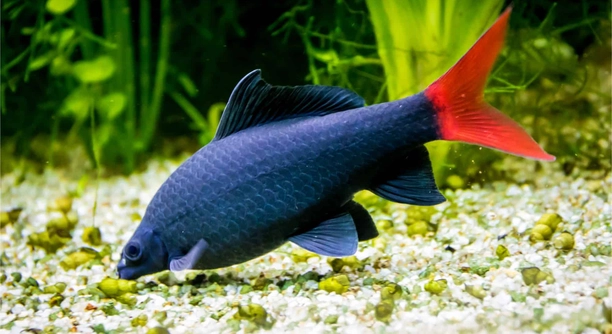
Are you setting up a new tank for your rainbow shark and want to ensure it feels comfortable? Moving to a new environment can be stressful for these fish. Helping them settle in smoothly is important for their health and happiness.
Rainbow sharks can adjust better when their new habitat mimics their natural conditions, with proper water parameters, hiding spots, and a gradual introduction. Consistent care and monitoring reduce stress and promote adaptation to the new surroundings.
Knowing how to support your rainbow shark during this change can make a big difference. Small steps can help your fish feel safe and thrive in its new home.
Prepare the Tank Properly
Setting up the tank before bringing your rainbow shark home is key to a smooth transition. Make sure the water is clean and well-cycled to avoid sudden changes in water chemistry that can stress your fish. The ideal temperature for rainbow sharks is between 74°F and 80°F, with a pH level around 6.5 to 7.5. Adding plenty of hiding spots using plants, rocks, or decorations helps your shark feel secure. Rainbow sharks are territorial and appreciate places where they can retreat. Proper filtration and aeration keep the water fresh and oxygen-rich, supporting their health. Avoid overcrowding by limiting tank mates and maintaining enough space for your shark to swim freely. Taking these steps before introducing your fish creates a stable environment that encourages quick adaptation.
Keeping the tank stable before arrival reduces stress and helps your rainbow shark adjust faster. Proper preparation is the first step to a healthy aquarium.
A well-prepared tank not only supports your rainbow shark’s health but also reduces the chances of illness during acclimation. It establishes a comfortable environment where your fish can explore and establish territory without feeling threatened. By managing temperature, pH, and water quality ahead of time, you avoid surprises that might cause stress or shock. Hiding spots give your rainbow shark a place to rest and feel safe, which is important in new surroundings. Careful planning now makes all the difference in how quickly your fish settles in and thrives.
Introduce Your Fish Slowly
Introducing your rainbow shark slowly to the new tank is important to help it adapt. Sudden changes can cause shock and stress, so take your time.
When you bring your rainbow shark home, start by floating the sealed bag in the tank for 15 to 20 minutes. This helps equalize the temperature between the water in the bag and the tank. Next, gradually add small amounts of tank water to the bag over 30 to 60 minutes. This process helps your fish get used to the new water chemistry. After that, gently release the fish into the tank without pouring the bag water in, which may contain waste or harmful bacteria. Avoid chasing or stressing your fish as it explores its new space. A slow, calm introduction helps your rainbow shark settle without unnecessary stress or health risks.
Maintain Consistent Water Conditions
Keeping water conditions stable is essential for your rainbow shark’s well-being. Sudden changes can cause stress and illness.
Monitoring water temperature, pH, and ammonia levels regularly helps prevent harmful fluctuations. Use a reliable heater and thermometer to maintain a steady temperature between 74°F and 80°F. Regular water tests ensure pH stays between 6.5 and 7.5. Partial water changes every week remove toxins and keep the environment healthy. Avoid overfeeding, as leftover food can degrade water quality. Consistency in these factors supports your rainbow shark’s immune system and reduces stress, promoting a smooth adjustment to the new tank.
Water stability supports your rainbow shark’s health long term. Creating a predictable environment helps your fish feel secure and reduces the chance of disease.
Frequent monitoring combined with careful maintenance builds a safe habitat where your rainbow shark can thrive. Using a water conditioner removes harmful chemicals like chlorine. Keep tank filters clean but don’t over-clean them, as beneficial bacteria need to stay. Balancing these tasks ensures your rainbow shark enjoys clear, healthy water with minimal disruptions. Over time, a stable tank means fewer health issues and a happier fish.
Provide a Balanced Diet
Offering the right food helps your rainbow shark regain energy and feel comfortable. They need variety to stay healthy.
Rainbow sharks are omnivores and enjoy both plant matter and protein. Feed high-quality sinking pellets designed for bottom feeders as the staple diet. Supplement with fresh or frozen foods like bloodworms, brine shrimp, or chopped vegetables such as zucchini or peas. Feeding small amounts two to three times a day prevents overeating and water pollution. Avoid feeding only flakes or dry food, which might not meet all nutritional needs. A balanced diet supports your fish’s immune system and colors.
Changing food slowly when introducing new items helps prevent digestive issues. Consistent feeding schedules create a routine your fish can rely on. If your rainbow shark seems shy or hides at first, don’t worry—it will start eating normally as it feels safer. Nutritional care is key to long-term health and bright, active behavior.
Watch for Signs of Stress
Stress can affect your rainbow shark’s health and behavior. Look for changes like hiding more, loss of appetite, or unusual swimming.
Early detection helps you act quickly to reduce stress. Adjust water conditions, provide more hiding spots, or reduce tank disturbances to help your fish feel safe and calm.
Avoid Overcrowding
Too many fish in the tank increase competition and stress. Keep tank mates compatible and allow enough space for your rainbow shark to swim freely.
A crowded tank can cause aggression and poor water quality. Maintain proper stocking levels based on tank size and fish species to ensure a peaceful environment.
Keep the Environment Enriched
Rainbow sharks enjoy exploring and need stimulation. Adding plants, rocks, and tunnels creates hiding places and encourages natural behavior.
Changing decorations occasionally keeps the tank interesting. This enrichment helps reduce boredom and stress, supporting your fish’s well-being.
FAQ
How long does it take for a rainbow shark to adjust to a new tank?
Most rainbow sharks take about one to two weeks to fully settle into a new environment. During this time, they may hide more or act shy as they explore and get used to their surroundings. Proper tank setup and stable water conditions help speed up this process. Patience is key, as rushing the fish or making sudden changes can cause stress.
What water parameters are best for rainbow sharks?
Rainbow sharks thrive in water temperatures between 74°F and 80°F. The pH should be kept neutral to slightly acidic, around 6.5 to 7.5. Ammonia and nitrite levels must be at zero, while nitrate should stay below 20 ppm. Regular testing and maintenance are essential to keep these parameters stable for your fish’s health.
Can rainbow sharks live with other fish?
Yes, but caution is necessary. Rainbow sharks can be territorial, especially in smaller tanks. Ideal tank mates are peaceful fish that occupy different tank levels, like tetras or danios. Avoid other bottom dwellers that might compete for space or provoke aggression. A larger tank with plenty of hiding spots reduces conflicts.
What should I do if my rainbow shark hides all the time?
Hiding is normal during the adjustment period. If your fish hides excessively or refuses to eat after several days, check water quality and tank setup. Ensure there are enough hiding places but also open swimming space. Avoid sudden loud noises or tapping on the glass, which can increase stress. Over time, your rainbow shark should become more confident.
How often should I feed my rainbow shark?
Feed small amounts two to three times daily. This schedule prevents overeating and keeps the water clean. Offer sinking pellets as the main diet and supplement with live or frozen foods occasionally. Remove uneaten food after feeding to avoid water contamination. Balanced feeding supports healthy growth and activity.
What signs indicate illness in a rainbow shark?
Common signs include clamped fins, white spots, lethargy, loss of appetite, and abnormal swimming patterns like darting or floating. Rapid breathing or gasping at the surface can also signal problems. Early detection and treatment are crucial. Test water quality and consider consulting a veterinarian or aquatic specialist if symptoms persist.
How do I prevent aggression in the tank?
Provide enough space and hiding spots to reduce territorial disputes. Keep tank mates compatible and avoid overcrowding. If your rainbow shark shows aggression, try rearranging decorations to disrupt established territories. Sometimes adding more plants or caves helps reduce stress. Monitoring fish behavior regularly helps catch problems early.
Is it necessary to cycle the tank before adding a rainbow shark?
Absolutely. A fully cycled tank establishes beneficial bacteria that break down harmful ammonia and nitrites. Adding a rainbow shark to an uncycled tank risks poisoning and stress. Cycling typically takes 4 to 6 weeks and ensures a safe environment for your fish.
Can rainbow sharks jump out of the tank?
Yes, they can jump if startled or if water conditions are poor. A secure lid on your tank prevents escapes. Keep water quality high and avoid sudden changes or loud noises. Proper tank setup minimizes the risk of jumping.
What decorations work best for rainbow sharks?
Smooth rocks, caves, and dense plants offer ideal hiding spots. Avoid sharp or rough decorations that could injure your fish. Live plants also help improve water quality and provide natural cover. Change decorations occasionally to keep the environment engaging and reduce stress.
Taking good care of your rainbow shark during its move to a new environment is very important. These fish can get stressed easily, so making sure their tank is clean, stable, and comfortable helps them adjust well. Keeping the water temperature, pH, and cleanliness consistent creates a safe place where your rainbow shark can feel secure. Providing hiding spots and enough space reduces fear and helps them settle in faster. The right environment supports both their health and behavior.
Feeding your rainbow shark the right food in the right amounts is another key factor. A balanced diet with sinking pellets, vegetables, and occasional live or frozen foods gives them the nutrients they need. Feeding small amounts multiple times a day prevents leftover food from polluting the water. When your fish eats well, it has more energy to explore and grow. If your rainbow shark hides or refuses food at first, don’t worry—it usually takes time to get comfortable. Patience and consistent care during this stage are important.
Watching your rainbow shark closely helps you notice signs of stress or illness early. Changes in behavior, like hiding too much or swimming oddly, might mean the fish is uncomfortable. Acting quickly by checking water quality and making tank adjustments can prevent bigger problems. Also, avoid overcrowding and aggressive tank mates to keep the peace. Keeping your tank clean, stable, and enriched with plants or decorations helps your rainbow shark thrive. With steady care, your fish will become healthy, active, and a lovely part of your aquarium.

Hello,
If you enjoy the content that we create, please consider saying a "Thank You!" by leaving a tip.
Every little bit helps us continue crafting quality advice that supports the health, happiness, and well-being of pets around the world, for pets of all shapes, sizes, and species.
We really appreciate the kindness and support that you show us!