
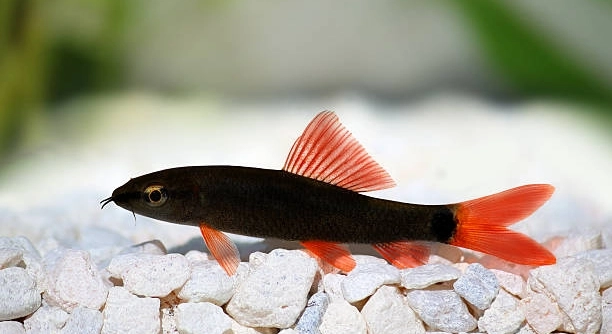
Are your rainbow sharks looking less active or showing signs of stress in your aquarium? Their environment might be the reason. Understanding what these freshwater fish prefer can make a big difference in their health and behavior.
Rainbow sharks thrive in slightly acidic to neutral water with a pH of 6.5–7.5, a temperature between 75–81°F (24–27°C), and moderate water hardness. Stable water parameters and regular maintenance are essential for their well-being and territorial nature.
Knowing the best water conditions can help reduce aggression and keep your rainbow shark happy and healthy for years to come.
Water Temperature and Stability
Rainbow sharks need a stable and warm environment to stay healthy. The ideal water temperature for them is between 75–81°F (24–27°C). If the temperature drops too low or rises too high, your fish may become sluggish, stressed, or even sick. Use a reliable aquarium heater and a thermometer to help maintain a consistent temperature. Sudden fluctuations, especially during water changes, can affect their immune system. Keep their tank away from windows and vents to avoid unnecessary temperature changes. Regular checks will help you spot issues early and keep their conditions steady. These fish are sensitive, so even small changes can make a big difference in their behavior. Always match the water temperature when adding new water to avoid stressing them. When the temperature is right, you’ll notice your rainbow shark staying active and calm in its space.
A digital thermometer can give you accurate readings without disturbing your fish.
Consistency in temperature gives your rainbow shark a safe and steady space. Stress from fluctuating conditions can lead to aggression or hiding, which is not ideal. Warm, steady water helps them feel secure and brings out their natural behavior. Keep an eye on the heater, especially during seasonal changes, to make sure it’s working well.
pH and Water Hardness
Rainbow sharks prefer slightly acidic to neutral water, with a pH between 6.5 and 7.5.
Maintaining proper pH and water hardness is important for your rainbow shark’s comfort. Soft to moderately hard water is ideal, with general hardness (GH) between 5–11 dGH and carbonate hardness (KH) around 3–8 dKH. Sudden pH shifts can lead to stress and health issues, so test the water weekly with a reliable test kit. If the pH is too high or too low, use natural methods like driftwood or crushed coral to make small adjustments. Avoid drastic changes. Let the tank stabilize slowly over time. Your tap water’s natural chemistry can influence pH and hardness, so it’s good to know what you’re working with from the start. If needed, use conditioners designed for freshwater tanks. Balanced water helps your rainbow shark thrive, swim confidently, and show off its bold colors. When water hardness and pH are stable, the fish tend to be more active and show less aggressive behavior.
Filtration and Water Quality
Good filtration helps keep the water clean and removes harmful waste. Rainbow sharks produce waste like any other fish, and if it builds up, it can affect their health. A quality filter helps maintain oxygen levels and prevents toxic ammonia from rising.
Choose a filter that matches your tank size and provides both mechanical and biological filtration. Mechanical filtration removes debris, while biological media support beneficial bacteria that break down harmful compounds. Clean the filter regularly but avoid washing everything at once to keep those bacteria alive. Over-cleaning can lead to a mini cycle, which may stress your fish. Try to rinse filter media in tank water, not tap water. Rainbow sharks prefer a steady current, so adjust the filter flow to avoid strong, turbulent water. Monitor ammonia, nitrite, and nitrate levels weekly. Clean water supports better coloration, energy, and overall behavior in rainbow sharks.
Regular water changes are just as important as a good filter. Change about 25% of the water weekly to keep toxins low and minerals balanced. Use a dechlorinator to remove chlorine from tap water. Clean around decorations and the substrate during water changes to prevent buildup. Fresh, clean water reduces disease risk and keeps the fish more active.
Tank Size and Space
Rainbow sharks are territorial and need space to feel comfortable. A small tank can make them aggressive or stressed. A minimum of 30 gallons is needed for one adult.
If the tank is too small, your rainbow shark may chase or nip at other fish. A larger tank gives them room to claim territory and reduces conflict. Adding caves, driftwood, or plants helps break the line of sight, which can calm them down. These fish like having their own hiding spots. Avoid overcrowding, especially with similar-looking or bottom-dwelling species. Give them swimming space along the bottom and middle areas of the tank. Open space combined with cover creates a balanced environment. A long tank is better than a tall one since they prefer horizontal movement. Choose tank mates carefully and watch for signs of stress or fighting. More space means less tension and more natural behavior.
Tank Mates and Behavior
Rainbow sharks are known to be territorial, especially as they grow older. Keeping them with peaceful mid-to-top swimmers like barbs or danios can reduce conflict. Avoid other bottom dwellers, as this may trigger aggressive behavior over space and hiding spots.
Keeping just one rainbow shark per tank helps prevent constant chasing and injuries. They don’t do well with their own kind unless the tank is very large and heavily decorated. Monitor their behavior closely, especially during feeding or when adding new fish.
Lighting and Décor
Rainbow sharks don’t need intense lighting. Moderate light keeps them comfortable and reduces stress. Use floating plants or decorations to create shaded areas where they can rest. Hiding spots help them feel secure and cut down on territorial behavior. Keep the lighting consistent to support a natural day-night cycle.
Water Movement
Moderate water flow works best for rainbow sharks. Strong currents can cause stress, while still water may feel too stagnant. Use your filter’s output or a gentle powerhead to create steady movement. This helps with oxygenation and keeps the water clean without overwhelming them.
FAQ
What is the ideal water temperature for rainbow sharks?
Rainbow sharks do best in water between 75 and 81°F (24–27°C). Keeping the temperature stable within this range helps prevent stress and illness. Use a good aquarium heater and thermometer to maintain this temperature, and avoid sudden changes, especially during water changes.
How often should I change the water in a rainbow shark tank?
Changing about 25% of the water every week is recommended. This keeps the tank clean by removing toxins and replenishing minerals. Always treat tap water with a dechlorinator before adding it to the tank to protect your fish from harmful chemicals.
What pH level is best for rainbow sharks?
Rainbow sharks prefer a pH between 6.5 and 7.5. This slightly acidic to neutral range supports their natural comfort and health. Test the water weekly and make small adjustments if needed, using natural methods like driftwood or crushed coral to avoid sudden changes.
Can rainbow sharks live with other fish?
Yes, but choose tank mates carefully. Peaceful, fast-swimming fish that occupy different tank levels, like barbs or danios, work well. Avoid other bottom dwellers and similar-looking fish to reduce aggression. Only keep one rainbow shark per tank unless the tank is very large.
How big should my tank be for a rainbow shark?
A minimum of 30 gallons is needed for one adult rainbow shark. Larger tanks reduce aggression by giving more space for territory. A longer tank is better than a tall one because rainbow sharks prefer swimming along the bottom and mid-levels.
Why is my rainbow shark hiding all the time?
Hiding often can mean stress due to poor water conditions, overcrowding, or aggressive tank mates. Check your water parameters and tank size, and make sure the environment has enough hiding spots but also open space. Stable water and a calm tank help them feel safe.
What kind of filtration is best for rainbow sharks?
Use a filter that provides both mechanical and biological filtration. Mechanical filters remove debris, while biological filters support beneficial bacteria that break down waste. Clean the filter media carefully to preserve these bacteria. Moderate water flow from the filter helps keep oxygen levels up without stressing the fish.
How important is lighting for rainbow sharks?
Moderate lighting is enough. Too bright light can stress them, while shaded areas created by plants or decorations give them places to rest. A regular day-night light cycle helps keep their natural rhythm and overall well-being.
What should I feed my rainbow shark?
Rainbow sharks are omnivores and enjoy a varied diet. High-quality sinking pellets or wafers are good staples. Supplement their diet with live or frozen foods like bloodworms, brine shrimp, or vegetable matter. Feeding once or twice a day in small amounts is best.
Why is my rainbow shark acting aggressively?
Aggression can result from overcrowding, lack of territory, or poor tank setup. Make sure the tank is large enough, provide hiding spots, and avoid keeping multiple rainbow sharks together in a small tank. Proper water conditions also reduce stress-related aggression.
Final thoughts are important when caring for rainbow sharks because their well-being depends largely on their environment. These fish need steady water temperature, balanced pH, and good filtration to stay healthy. Paying attention to these details helps reduce stress and illness. Without proper care, rainbow sharks can become aggressive or show signs of poor health. It’s important to keep the tank clean and maintain stable conditions so they can live comfortably and show their natural colors and behaviors.
Tank size and space matter a lot for rainbow sharks. They are territorial and need enough room to swim and establish their space. A tank that is too small can cause them to become aggressive or hide often. Including plants, rocks, and decorations provides hiding spots and breaks up the territory so the fish do not feel crowded. It is also important to choose peaceful tank mates and avoid keeping more than one rainbow shark unless the tank is very large. This helps keep the aquarium calm and enjoyable for all fish.
Overall, keeping a rainbow shark means paying close attention to water quality, tank setup, and social dynamics. Regular water changes, proper filtration, and stable temperature create a healthy environment. Observing your fish daily helps catch any early signs of stress or illness. When these factors are right, your rainbow shark will thrive and bring vibrant color and life to your aquarium. With patience and care, these fish can be a rewarding part of your tank for years.

Hello,
If you enjoy the content that we create, please consider saying a "Thank You!" by leaving a tip.
Every little bit helps us continue crafting quality advice that supports the health, happiness, and well-being of pets around the world, for pets of all shapes, sizes, and species.
We really appreciate the kindness and support that you show us!