
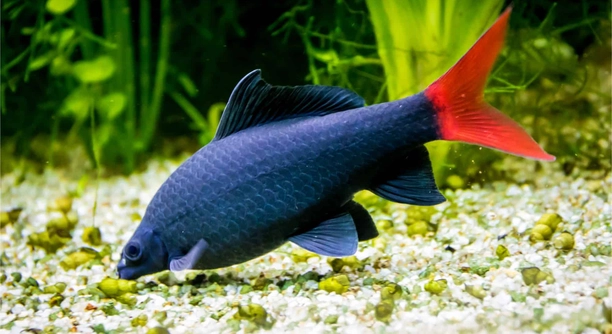
Rainbow Sharks are popular freshwater fish known for their striking colors and active swimming. Sometimes, their swimming patterns may change, appearing unusual or odd. This article explores common reasons behind these changes to help owners understand their fish better.
Unusual swimming in Rainbow Sharks is often caused by environmental stress, poor water quality, disease, or improper diet. These factors can affect their health and behavior, leading to irregular movements and signs of discomfort in the fish.
Identifying the cause of odd swimming helps maintain your Rainbow Shark’s health and keeps its environment stable and comfortable.
Poor Water Quality and Its Impact
Poor water quality is one of the most common reasons Rainbow Sharks swim oddly. When their tank water has high levels of ammonia, nitrites, or nitrates, it can cause stress and harm their health. These toxins build up from leftover food, fish waste, and lack of proper filtration. The water’s pH level and temperature also play an important role in keeping your fish comfortable. If these factors are off, your Rainbow Shark might struggle to swim normally. Regular water testing and partial water changes can help keep these levels safe. Clean water supports the fish’s natural behavior and reduces the risk of disease. Observing your fish’s swimming patterns can be an early sign that something is wrong in the tank environment, allowing you to take action before the problem worsens.
Water quality problems can cause lethargy, erratic swimming, and even loss of appetite in Rainbow Sharks, which signal stress and discomfort.
Maintaining proper water conditions requires regular testing using reliable kits and consistent partial water changes. Ensure the tank has a functioning filter and avoid overcrowding to keep waste manageable. Temperature should be stable, ideally between 75 and 79°F (24–26°C), and the pH should stay near neutral. Avoid sudden changes when adding new water. Monitoring these details not only prevents unusual swimming but also promotes the overall well-being and longevity of your Rainbow Shark. Consistency in tank care reduces stress and helps your fish thrive in its environment.
Disease and Parasites Affecting Swimming Behavior
Diseases and parasites can cause Rainbow Sharks to swim oddly or lose balance. These health issues can result from poor tank conditions or stress.
Fish diseases often begin with symptoms like clamped fins, lethargy, and abnormal swimming. Parasites attach to the fish, causing irritation and discomfort, which affects movement. Early treatment is important to prevent worsening symptoms. Quarantining new fish before adding them to the main tank can reduce risks. If disease is suspected, medication specific to the illness may be necessary. Observing changes in behavior promptly allows for timely care and better recovery chances. Proper tank hygiene and regular observation are key to preventing these problems.
Stress from Tank Mates
Stress from aggressive or incompatible tank mates can cause your Rainbow Shark to swim oddly. Constant chasing or bullying disrupts their natural behavior and makes them anxious.
When Rainbow Sharks share space with overly aggressive fish or those that compete for territory, they often hide or swim erratically. This stress affects their appetite and energy levels, causing unusual movements. Providing enough hiding spots and territory boundaries can help reduce conflict. Choosing peaceful tank mates that coexist well with Rainbow Sharks is important to prevent stress. Overcrowding also increases aggression, so maintain appropriate tank size for all fish. A calm environment supports normal swimming and overall health.
Adjusting tank conditions or rearranging decorations can help your Rainbow Shark feel more secure. This reduces erratic swimming and promotes peaceful interaction with other fish.
Improper Diet and Nutritional Issues
A poor diet can lead to odd swimming in Rainbow Sharks. Lack of proper nutrition weakens their immune system and affects energy levels.
Rainbow Sharks require a balanced diet including sinking pellets, vegetables, and occasional protein treats. Feeding only one type of food or overfeeding can cause digestive problems and swim issues. Nutritional deficiencies may lead to lethargy or abnormal swimming patterns. Feeding small amounts several times a day helps maintain health and activity. Fresh vegetables like zucchini or peas support digestion and prevent constipation. Observing your fish’s feeding behavior provides clues about its health. An appropriate diet helps Rainbow Sharks maintain strong muscles and normal movement.
If your fish shows signs of bloating or struggles to swim straight, diet adjustments and vet advice may be necessary. Proper feeding supports recovery and long-term well-being.
Swimming Space and Tank Size
Limited swimming space can cause your Rainbow Shark to swim oddly. Crowded tanks restrict their movement and increase stress levels.
Rainbow Sharks need enough room to swim freely, usually a tank of at least 30 gallons. Small or overcrowded tanks limit their natural behavior and cause restlessness or erratic swimming.
Injuries and Physical Damage
Injuries from sharp decorations or rough handling can affect swimming. Damaged fins or body wounds may cause imbalance or pain, resulting in unusual movement patterns. Carefully check the tank for sharp objects and remove anything that could harm your fish. Handling fish gently minimizes the risk of physical damage and swimming problems.
Water Temperature Fluctuations
Sudden changes in water temperature disturb Rainbow Sharks’ swimming behavior. Consistent temperature around 75-79°F keeps them healthy and active. Avoid rapid heating or cooling to prevent stress and irregular swimming.
FAQ
Why is my Rainbow Shark swimming sideways or upside down?
Swimming sideways or upside down usually indicates a swim bladder problem or an injury. The swim bladder helps fish control their buoyancy. If it is affected by infection, physical damage, or poor water conditions, the fish struggles to maintain balance. Check water quality first and look for signs of injury or illness. Sometimes, constipation from poor diet can also cause this issue. Adjust feeding habits and consult a vet if the problem persists.
Can stress cause my Rainbow Shark to stop swimming normally?
Yes, stress from aggressive tank mates, overcrowding, or sudden changes in environment can disrupt your Rainbow Shark’s normal swimming. Stress weakens their immune system and leads to erratic movements or hiding behavior. Ensure the tank has enough space, peaceful companions, and stable water conditions to reduce stress.
How often should I test my aquarium water?
Testing aquarium water weekly is recommended, especially for ammonia, nitrite, nitrate, pH, and temperature. Frequent testing helps catch water quality problems early, which are a common cause of abnormal swimming. Keeping these levels stable ensures your fish stay healthy and active.
What foods are best for Rainbow Sharks to avoid swimming problems?
A balanced diet including sinking pellets, algae wafers, and fresh vegetables like zucchini or peas supports good digestion and energy levels. Avoid overfeeding and provide protein treats occasionally. Poor diet can lead to constipation or nutritional deficiencies that affect swimming.
Can tank decorations cause swimming issues?
Yes, sharp or rough decorations can injure your Rainbow Shark, causing pain and difficulty swimming. Make sure all tank items have smooth edges and avoid overcrowding with decorations. Safe, clean decorations help prevent injuries and support natural swimming behavior.
Is my tank too small for my Rainbow Shark?
Rainbow Sharks need at least 30 gallons to swim comfortably. A small or overcrowded tank limits their movement and causes stress, often resulting in unusual swimming patterns. Consider upgrading the tank size if your fish seems cramped or restless.
How do I treat swim bladder problems?
Swim bladder issues often improve by adjusting diet and improving water quality. Feeding shelled peas or fasting for a day or two can help relieve constipation-related problems. If symptoms continue, seek advice from an aquatic veterinarian for proper diagnosis and treatment.
Can temperature changes cause my Rainbow Shark to swim oddly?
Yes, sudden shifts in water temperature stress the fish and affect their swimming. Keep the temperature stable between 75 and 79°F. Use a reliable heater and thermometer to maintain consistent warmth, avoiding abrupt changes.
How can I tell if my Rainbow Shark is sick?
Signs include clamped fins, loss of appetite, lethargy, unusual swimming, spots, or discoloration. Early detection is key to treatment. Regular observation helps you spot problems before they worsen.
What should I do if my Rainbow Shark is bullied by other fish?
If other fish are aggressive, provide hiding places and rearrange decorations to create territories. Consider separating aggressive fish or moving your Rainbow Shark to a calmer tank. Reducing stress improves swimming behavior and overall health.
Rainbow Sharks are beautiful and active fish that bring life to any aquarium. When their swimming behavior changes, it can signal that something in their environment or health is off. Understanding the common reasons behind odd swimming helps in taking the right steps to improve their well-being. Factors like water quality, tank size, diet, and stress all affect how comfortably they move and behave. By paying close attention to these details, you can create a better home for your Rainbow Shark where it can swim naturally and stay healthy.
Maintaining a stable environment is essential for these fish. Regular testing of water parameters like ammonia, nitrite, nitrate, pH, and temperature keeps harmful changes in check. A tank that is large enough with peaceful tank mates reduces stress and encourages normal activity. A varied and balanced diet supports their digestion and energy. Avoiding sharp decorations and handling fish gently helps prevent injuries that could impair swimming. When any unusual behavior arises, quick observation and care can make a difference, whether it means adjusting tank conditions, improving diet, or consulting a vet.
Caring for Rainbow Sharks requires consistency and attention to detail. Problems with swimming often point to underlying issues that can be fixed with proper care. By learning about their needs and regularly monitoring their health and environment, you ensure your fish can thrive. Swimming oddly should never be ignored because it is a sign that something needs attention. With patience and the right actions, you can help your Rainbow Shark return to smooth, natural movement and enjoy a long, healthy life in your aquarium.

Hello,
If you enjoy the content that we create, please consider saying a "Thank You!" by leaving a tip.
Every little bit helps us continue crafting quality advice that supports the health, happiness, and well-being of pets around the world, for pets of all shapes, sizes, and species.
We really appreciate the kindness and support that you show us!