
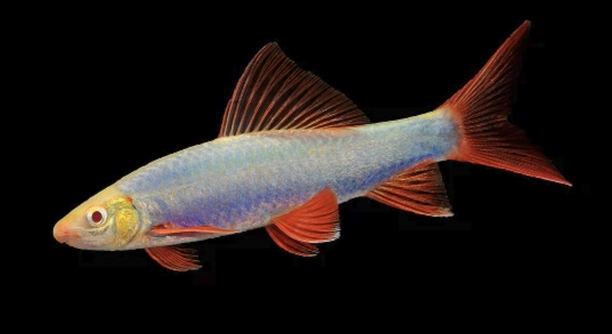
Is your rainbow shark showing signs of stress, hiding too often, or acting more aggressive than usual in its tank environment?
The best way to make your rainbow shark’s environment healthier is by improving water quality, adding proper hiding spots, reducing tankmate stress, and maintaining a consistent feeding schedule. These factors support physical health and reduce aggressive behavior.
Learning these simple tips will help create a stable, safe space your rainbow shark can thrive in and enjoy daily.
Keep the Water Clean and Stable
Clean, stable water is essential for your rainbow shark’s health. These fish are sensitive to poor water conditions, which can cause stress and disease. Always use a reliable water testing kit to monitor ammonia, nitrite, nitrate, and pH levels. A weekly 25% water change helps remove harmful waste and keeps conditions stable. Avoid large water changes, as they can shock your fish. Maintain a water temperature between 75–81°F and use a good quality filter to keep the tank clean. Overfeeding can pollute the water quickly, so feed your shark small portions once or twice a day. Uneaten food should be removed within a few minutes. Always dechlorinate tap water before adding it to the tank. Clean the filter regularly but avoid washing it with tap water, as this can kill beneficial bacteria. These small adjustments make a big difference in maintaining a healthy, safe habitat.
Stable water quality helps reduce illness and promotes calm behavior in your rainbow shark. This leads to a longer, more comfortable life in the tank.
Try to create a consistent routine for tank maintenance. Check water parameters weekly, clean debris, and monitor your fish’s behavior. A clean tank not only looks better but supports your rainbow shark’s overall well-being.
Add Hiding Spots and Visual Barriers
Rainbow sharks like to feel secure. Adding hiding spots and visual barriers in the tank helps reduce stress and aggressive behavior. Use caves, rocks, and driftwood to create safe areas.
Rainbow sharks are territorial and often claim a part of the tank as their own. When there are no clear boundaries or places to retreat, they may chase or nip at other fish. By placing decorations like stacked stones, PVC pipes, or thick plants, you help define their space and break the line of sight. This lowers the chances of conflict, especially in community tanks. Choose smooth decorations that won’t harm your fish’s body or fins. Make sure there is enough space to swim freely around the tank. When decorating, try not to block the filter flow or crowd the tank, as this can disrupt water circulation. A well-designed setup gives your rainbow shark space to explore while feeling secure.
Avoid Aggressive Tankmates
Rainbow sharks do not do well with aggressive or overly active fish. Keeping them with peaceful, mid-to-top dwelling species helps prevent fights and injuries in the tank. Crowded or stressful conditions make them more territorial and harder to manage.
Choose tankmates like barbs, danios, or rainbowfish that are fast but peaceful. Avoid fish that resemble rainbow sharks, such as red-tail sharks or other bottom dwellers, since they often trigger territorial behavior. It’s best to keep only one rainbow shark per tank unless you have a very large aquarium with plenty of hiding areas and space. When introducing new fish, monitor your rainbow shark’s behavior closely for signs of aggression. Rearranging decorations before adding new tankmates can help disrupt territorial claims. A calm tank environment supports better health and lowers stress levels, both for your rainbow shark and the other fish sharing its space.
Compatibility depends heavily on the tank layout and the size of the aquarium. Rainbow sharks need at least 55 gallons when kept with other fish. If space is limited, it’s safer to keep them alone. Sudden aggression may develop even in calm individuals if their space feels threatened. Always have a backup plan in case you need to separate fish quickly.
Feed a Balanced Diet
Rainbow sharks are omnivores, so it’s important to offer a mix of plant and animal-based foods. A varied diet supports their immune system, color, and activity levels while reducing the risk of digestive issues or nutrient deficiencies.
Pellets or flakes designed for bottom feeders should be the base of their diet, as they’re specially made to sink and meet their nutritional needs. Supplement this with algae wafers, blanched vegetables like zucchini or spinach, and occasional protein sources like bloodworms or brine shrimp. Feeding once or twice a day in small amounts helps maintain good water quality. Uneaten food should always be removed after feeding to avoid ammonia spikes. Overfeeding not only leads to health problems but also pollutes the tank. Watching your rainbow shark eat can also be a useful way to spot health issues early, such as loss of appetite or sluggish behavior, which often indicate stress or illness.
Maintain a Consistent Lighting Schedule
Too much light can stress your rainbow shark, while too little affects its natural rhythm. Keep the lights on for 8 to 10 hours a day using a timer. This creates a stable day-night cycle.
Avoid placing the tank near windows to prevent natural light from interfering with the schedule. Sudden lighting changes can startle your shark and lead to skittish behavior. A calm, predictable lighting routine helps support normal activity and rest patterns.
Choose the Right Substrate
A soft, smooth substrate like sand or fine gravel is best for rainbow sharks. Rough or sharp substrates can damage their undersides as they swim and rest near the bottom. Choose darker-colored substrates to help reduce stress. Avoid large rocks that trap waste, which affects water quality.
Provide Plenty of Swimming Space
Rainbow sharks need open areas to swim freely and establish their territory. A long tank layout is better than a tall one, giving them space to explore without stress or aggression.
FAQ
How big should a tank be for a rainbow shark?
A single rainbow shark needs at least a 50 to 55-gallon tank. These fish are territorial and active, so they require plenty of horizontal space to swim and explore. A smaller tank increases stress and leads to aggressive behavior. If you plan to add other fish, increase the size to 75 gallons or more. This helps reduce conflicts and allows for proper hiding spots, swimming areas, and stable water conditions. A long tank is better than a tall one, as it gives your shark more room to move around in its preferred swimming zone.
Can I keep more than one rainbow shark in the same tank?
Keeping more than one rainbow shark in the same tank is risky. They tend to be highly territorial, especially toward their own species. If housed together, you’ll need a tank of at least 125 gallons, with multiple hiding spots and visual barriers. Even then, there’s no guarantee they’ll tolerate each other. Most fishkeepers avoid this unless they have a large, heavily aquascaped tank and are prepared to separate them if aggression starts. For most people, it’s best to keep just one rainbow shark per tank to avoid stress and injury.
What water conditions do rainbow sharks need?
Rainbow sharks thrive in water temperatures between 75°F and 81°F, with a pH level between 6.5 and 7.5. The water should be well-filtered, with low levels of ammonia, nitrite, and nitrate. Stability is key—sudden changes in temperature or pH can stress them out quickly. Keep the tank clean by doing partial water changes weekly and removing uneaten food. Use a reliable testing kit to check your parameters regularly. Adding a heater and a quality filtration system will help maintain these conditions with fewer fluctuations, which supports a healthier fish.
Are rainbow sharks aggressive?
Rainbow sharks are semi-aggressive and very territorial. They tend to chase other bottom-dwelling fish or any tankmates that enter their space. Their aggression increases in smaller tanks or if there aren’t enough hiding spots. However, they usually get along with mid-to-top level swimmers that are fast and non-aggressive. Fish like barbs, danios, or rainbowfish can often coexist with them. Avoid slow-moving fish, similar-looking species, or other sharks. If your rainbow shark is becoming overly aggressive, review tank size, layout, and tankmate selection.
What should I feed my rainbow shark?
Feed your rainbow shark a varied diet of sinking pellets, algae wafers, and fresh vegetables like zucchini, cucumber, or spinach. You can also offer occasional protein sources such as bloodworms, brine shrimp, or daphnia. Feed small amounts once or twice daily, and remove any leftovers after a few minutes. This keeps your fish healthy and helps maintain good water quality. A balanced diet helps them stay active, show bright colors, and avoid health problems. Avoid overfeeding, as it can cause bloating and lead to dirty water.
How do I know if my rainbow shark is stressed?
A stressed rainbow shark may hide more than usual, stop eating, lose color, or become overly aggressive. Erratic swimming and rubbing against surfaces are also signs of discomfort. Common causes include poor water quality, overcrowding, sudden changes in the environment, or incompatible tankmates. Check water parameters first, and ensure the tank is calm and well-maintained. Adding hiding spots or adjusting tankmates may help reduce stress. Always watch for changes in behavior, as early action can prevent illness and long-term problems.
Do rainbow sharks need hiding places?
Yes, hiding spots are very important. They help rainbow sharks feel secure and reduce stress. Use decorations like caves, driftwood, or thick plants to provide cover. These help your fish establish territory and avoid constant visibility, which can make them feel exposed. Hiding places also help lower aggression by breaking lines of sight between fish. When setting up your tank, create several quiet areas where your rainbow shark can retreat when needed. This makes a big difference in their comfort and behavior.
Can rainbow sharks live with live plants?
Rainbow sharks can live with live plants, and many aquarists find that they do well in planted tanks. Plants like Java fern, Anubias, and Amazon swords work well. These plants help improve water quality by absorbing nitrates and give the tank a more natural look. They also create visual barriers and shaded areas, which your shark will appreciate. Just make sure the plants are securely anchored, as rainbow sharks sometimes dig in the substrate. Avoid delicate or floating plants that may be disturbed by active swimming.
Final Thoughts
Caring for a rainbow shark takes attention and consistency. These fish are active, territorial, and sensitive to changes in their environment. They do best in clean, spacious tanks with stable water conditions and plenty of swimming space. A proper setup not only keeps your rainbow shark physically healthy but also supports calm behavior. The more stable and peaceful the tank, the more likely your fish will thrive. Even small issues, like poor lighting or an overcrowded layout, can cause stress. By understanding what they need, you can prevent problems before they start and create a better home for your fish.
Choosing the right tankmates, providing hiding spots, and feeding a balanced diet all play a role in building a healthy environment. Rainbow sharks are not the easiest freshwater fish to care for, but with the right setup, they can live for years. Watching their behavior and making changes when needed is part of keeping them healthy. This includes checking water regularly, cleaning the tank, and observing how they interact with other fish. If you notice changes in behavior or appearance, it’s usually a sign something needs to be adjusted. A calm and alert rainbow shark is often a healthy one.
There’s no need for fancy equipment or constant changes. What rainbow sharks need most is consistency and care. Once you set up the right environment and get into a routine, maintenance becomes easier. Each tip shared in this article is meant to help reduce stress and support a more stable tank. Whether it’s adjusting feeding habits or moving decorations, small improvements can make a big difference. Rainbow sharks are unique and rewarding fish to keep, and with the right care, they can become a beautiful and active part of your aquarium for years to come.

Hello,
If you enjoy the content that we create, please consider saying a "Thank You!" by leaving a tip.
Every little bit helps us continue crafting quality advice that supports the health, happiness, and well-being of pets around the world, for pets of all shapes, sizes, and species.
We really appreciate the kindness and support that you show us!