
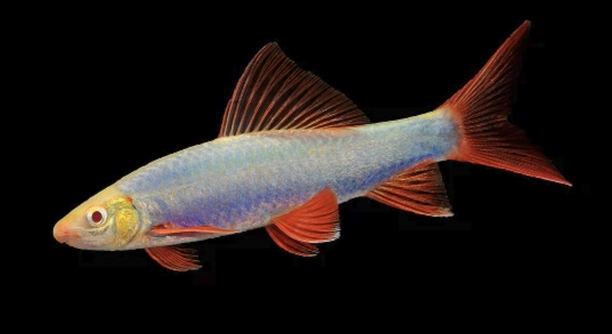
Rainbow sharks are popular freshwater fish known for their vibrant colors and peaceful nature. Many people keep them in home aquariums because they add beauty and life to the tank. However, like all fish, they can sometimes show signs of illness.
Recognizing when a rainbow shark is unwell involves observing changes in behavior, appetite, and appearance. Common signs include lethargy, loss of color, clamped fins, unusual swimming patterns, and physical damage or spots. Early detection is essential to prevent serious health problems.
Knowing these signs can help you act quickly to protect your fish. Keeping an eye on your rainbow shark’s health supports a happy and thriving aquarium environment.
Changes in Behavior
When a rainbow shark is not feeling well, one of the first things you might notice is a change in its usual behavior. These fish are generally active swimmers who explore the tank regularly. If your rainbow shark starts hiding more than usual, stops swimming around, or appears lethargic, it could be a sign that something is wrong. Sometimes, they may float near the surface or lie at the bottom of the tank for extended periods. These behaviors indicate stress or discomfort. It is important to observe if the fish is responding to feeding or interacting with other tank mates as usual. Changes in behavior are often the earliest clues to illness, and paying attention to these signs can help you take action before the problem worsens.
Behavioral changes can vary, but consistent inactivity or unusual hiding is a reliable warning sign of poor health.
Observing your rainbow shark’s daily actions closely can help you detect problems early. Make a habit of watching its swimming patterns and reactions. If you notice anything different, check the tank’s water quality and environment. Poor water conditions often cause stress and illness in fish. Regular monitoring and timely intervention are key to maintaining your rainbow shark’s health and ensuring it recovers quickly if it falls ill.
Appetite Loss
A rainbow shark that suddenly stops eating or shows less interest in food is likely unwell. Healthy rainbow sharks are usually eager during feeding time and quickly consume their meals. When appetite decreases, it can indicate internal problems or stress. Sometimes, the fish might nibble but not eat fully, or completely ignore food. This behavior can lead to weakness and make recovery harder if the underlying issue is not addressed. Monitoring feeding habits closely helps catch early signs of sickness. When appetite loss is noticed, it’s crucial to investigate the tank conditions and any changes in the environment that might be causing discomfort.
Loss of appetite is a clear symptom that your fish needs attention and care.
Several factors can cause appetite loss in rainbow sharks. Water quality issues like high ammonia, nitrite, or nitrate levels can stress fish and reduce their desire to eat. Parasites or infections may also be the cause, making the fish feel unwell internally. Sometimes, improper diet or overfeeding can lead to health problems affecting appetite. Ensuring a clean tank, balanced nutrition, and stable water parameters is vital. If the appetite loss persists for more than a day or two, consulting a veterinarian or an experienced aquarist is recommended. Timely action will help your rainbow shark regain strength and improve its overall wellbeing.
Faded or Dull Colors
A healthy rainbow shark usually shows bright and vibrant colors. When these colors fade or look dull, it often means the fish is stressed or sick. Color loss can also indicate poor water conditions or nutritional deficiencies.
Fading colors are a common sign of stress in rainbow sharks. This can happen due to sudden changes in water temperature, high levels of toxins, or improper lighting. A fish that loses its natural vibrancy is struggling to stay healthy. If you notice dull colors, check the tank environment immediately. Test the water for ammonia, nitrite, and nitrate levels, and make sure the temperature is stable. Providing a balanced diet rich in nutrients also helps restore color and boost the fish’s immune system.
Sometimes, color fading is related to disease or parasites. Infections can cause physical changes, including discoloration. Quarantining the fish and treating any illness early is important. Observe for other symptoms like spots, ulcers, or unusual marks. Prompt action can prevent further health decline and improve the chance of recovery.
Clamped Fins
Clamped fins happen when a rainbow shark holds its fins close to its body instead of spreading them out. This behavior is a sign of discomfort or illness. It often indicates stress, poor water quality, or infection.
When fins are clamped, the fish may also swim less or rest on the bottom of the tank. This posture reduces surface area, which can help conserve energy but signals that the fish is not feeling well. Causes can include water pollution, rapid temperature changes, or parasites. If you notice clamped fins, check your tank’s environment and perform partial water changes. Improving water quality usually helps the fish relax and spread its fins again. If the condition lasts longer than a few days, a veterinary consultation may be necessary to rule out infections or other diseases affecting your rainbow shark’s fins.
Unusual Swimming Patterns
Erratic swimming or difficulty maintaining balance often signals that a rainbow shark is unwell. This can include swimming in circles, floating upside down, or struggling to stay upright. Such behavior usually points to internal issues or water quality problems.
Swim disturbances may be caused by infections, parasites, or poor oxygen levels in the tank. Observing this behavior early helps prevent further complications and supports timely treatment.
Visible Physical Damage
Physical damage like torn fins, wounds, or white spots on the body is a clear indicator of health problems. These issues can result from injuries, infections, or parasites.
If your rainbow shark shows any visible damage, quarantine and treatment are necessary to avoid spreading illness to other fish in the tank.
Gasping at the Surface
When a rainbow shark frequently comes to the water surface and appears to be gasping, it usually means the oxygen levels in the tank are low. Poor water circulation or overcrowding can cause this.
Improving aeration and checking water quality often helps solve this issue quickly.
FAQ
How can I improve my rainbow shark’s water conditions?
Maintaining clean water is key to keeping your rainbow shark healthy. Regularly test the water for ammonia, nitrites, and nitrates. Perform partial water changes weekly, about 20-30%, to remove toxins. Use a good quality filter that fits your tank size. Avoid overfeeding, as leftover food can pollute the water. Keep the tank temperature stable, ideally between 74-80°F (23-27°C). Adding live plants can also help maintain water quality by absorbing harmful substances.
What should I feed a rainbow shark to keep it healthy?
Rainbow sharks thrive on a balanced diet that includes both plant-based and protein-rich foods. High-quality sinking pellets or wafers designed for bottom feeders work well. Supplement their diet with fresh vegetables like zucchini or cucumber slices. Occasionally, offer live or frozen foods such as bloodworms or brine shrimp for extra protein. Avoid overfeeding to prevent water pollution and obesity. Feed small amounts once or twice a day, removing uneaten food promptly.
How do I know if my rainbow shark has parasites?
Signs of parasites include scratching against decorations, white spots, redness, or frayed fins. The fish may also display rapid breathing or lethargy. If you notice these symptoms, isolate the affected fish to prevent spreading. Treat the tank with appropriate anti-parasitic medications following package instructions. Maintaining good water quality reduces the risk of parasite infestations.
Can stress cause health problems in rainbow sharks?
Yes, stress is a major factor that weakens a rainbow shark’s immune system. Common stress causes include poor water quality, overcrowding, aggressive tank mates, or sudden environmental changes. Stress can lead to color fading, clamped fins, and reduced appetite. Minimizing stress involves providing a stable, clean environment with suitable companions and hiding spots for your fish.
How long can a rainbow shark live with proper care?
With good care, rainbow sharks can live between 5 to 8 years, sometimes longer. Their lifespan depends heavily on water quality, diet, and stress levels. Regular tank maintenance and monitoring health signs can help your fish live a full, healthy life.
Is it normal for rainbow sharks to hide a lot?
Rainbow sharks do enjoy hiding occasionally, especially during the day since they are more active at dawn and dusk. However, excessive hiding may signal stress or illness. If your fish hides constantly and avoids feeding or interacting, it’s important to check the tank conditions and look for other signs of health issues.
What steps should I take if I notice my rainbow shark is sick?
First, test the water and perform a partial water change to improve conditions. Check for visible signs like damage or parasites. Isolate the sick fish in a quarantine tank if possible. Administer appropriate treatments based on symptoms or consult an aquatic veterinarian for advice. Maintain good tank hygiene and avoid sudden changes in temperature or water chemistry during recovery.
Can tank mates affect my rainbow shark’s health?
Yes, aggressive or incompatible tank mates can stress rainbow sharks, leading to illness. Rainbow sharks prefer peaceful fish of similar size. Avoid keeping them with fin-nippers or overly aggressive species. Providing enough space and hiding spots helps reduce stress and promotes harmony in the tank.
Why does my rainbow shark sometimes swim near the surface?
Swimming near the surface may indicate low oxygen levels in the water or poor water quality. Check the tank’s aeration and filtration systems. Increasing surface agitation or adding an air stone can help improve oxygen levels. Also, ensure the tank is not overcrowded, as this can reduce oxygen availability.
How often should I clean my tank to keep my rainbow shark healthy?
Cleaning frequency depends on tank size and stocking levels, but generally, partial water changes and substrate vacuuming once a week are sufficient. Avoid full tank cleanings that disturb beneficial bacteria. Regular filter maintenance also supports a healthy environment. Consistent cleaning routines prevent buildup of harmful substances and keep your rainbow shark thriving.
Taking good care of a rainbow shark means paying close attention to its behavior and environment. These fish can be sensitive to changes in water quality, temperature, and tank conditions. When they are not feeling well, they often show signs like faded colors, clamped fins, or loss of appetite. Recognizing these signs early helps you act quickly to prevent serious health problems. Keeping the tank clean, feeding the right food, and maintaining stable water conditions are all important for your fish’s wellbeing. Small changes in their behavior or appearance should not be ignored, as they often point to underlying issues.
It is important to remember that rainbow sharks, like all fish, need a consistent and stress-free environment to thrive. Stress can come from overcrowding, incompatible tank mates, or poor water quality, and it weakens their immune system. Avoiding sudden changes and providing hiding spots can make your fish feel safer and more comfortable. If your rainbow shark shows signs of illness, isolating it and treating the problem quickly can improve its chances of recovery. Regular monitoring and care are key to preventing diseases and helping your fish live a long, healthy life.
Ultimately, owning a rainbow shark requires commitment and attention to detail. While they are hardy fish, they still rely on you to provide a suitable home. Watching for changes in behavior, swimming patterns, and physical appearance will guide you in understanding their needs. Maintaining good water quality and a balanced diet creates the foundation for their health. By staying observant and taking prompt action when problems arise, you can enjoy the beauty and activity of your rainbow shark for many years.

Hello,
If you enjoy the content that we create, please consider saying a "Thank You!" by leaving a tip.
Every little bit helps us continue crafting quality advice that supports the health, happiness, and well-being of pets around the world, for pets of all shapes, sizes, and species.
We really appreciate the kindness and support that you show us!