
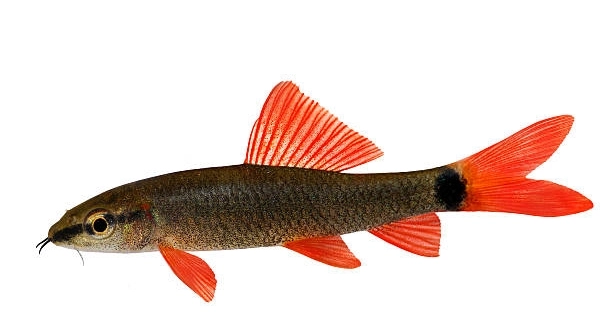
Is your rainbow shark spending most of its time hiding instead of swimming confidently around the tank like it used to? This behavior can leave you feeling unsure about what’s going wrong in your aquarium setup.
Rainbow sharks often hide due to environmental stress, territorial disputes, poor tank conditions, or illness. Identifying the specific cause requires close observation and adjustments to water parameters, tank mates, and hiding spots to improve the shark’s overall well-being.
Understanding the reasons behind this behavior can help you create a healthier and more comfortable space for your fish to thrive in.
Stress From a New Environment
Rainbow sharks can feel overwhelmed when introduced to a new tank or if their environment changes suddenly. This includes moving decor, switching tanks, or even changing lighting or water flow. These changes can cause them to retreat and stay hidden for long periods. They are naturally territorial fish, and anything unfamiliar can make them feel insecure. When stressed, they may hide under decorations or stay in corners to avoid perceived threats. It’s important to let them adjust gradually by keeping their environment consistent. Try not to move items around too often and allow time for them to settle. Introducing them into a well-cycled tank with stable water conditions helps lower stress levels. If hiding continues for over a week after a move or setup change, check if the water parameters are within the proper range and ensure there are enough hiding spots to make the shark feel secure but not invisible.
Hiding due to environmental stress usually improves once the tank feels stable and safe again. Avoiding frequent changes can support better behavior.
Creating a calm space takes patience. Ensure your rainbow shark has places to explore, but also enough shelter to retreat when it feels uneasy. Over time, they should become more confident and active in their surroundings.
Aggression From Tank Mates
Aggressive tank mates can cause your rainbow shark to spend more time hiding to avoid conflict. This is especially common in community tanks with other territorial fish.
Rainbow sharks are semi-aggressive and highly territorial. If the tank is shared with other bottom dwellers or similar-shaped fish, they may feel threatened or outcompeted. This stress can lead them to hide more often and come out only when the tank is quiet. Even fish that are generally peaceful might nip or chase if the tank is too small, leading to bullying behavior. A 55-gallon tank or larger helps reduce these issues by offering more space for everyone. Avoid housing them with red-tailed sharks, other rainbow sharks, or aggressive cichlids. Watch closely during feeding time to see if your rainbow shark is getting pushed aside or avoiding others. Rearranging decorations or adding more plants and caves can help create separate territories, reducing aggression and encouraging the shark to feel safe enough to come out more often.
Poor Water Quality
Rainbow sharks are sensitive to unstable water conditions. If the water quality is poor, they often become stressed and hide more than usual. High ammonia, nitrite, or nitrate levels can cause discomfort and even lead to health problems if left unaddressed.
Check your tank’s water parameters regularly using a reliable test kit. The ammonia and nitrite levels should always be at zero, and nitrates should stay below 20–40 ppm. Sudden spikes from overfeeding, poor filtration, or infrequent water changes can create an unhealthy environment. Dirty substrate can also trap waste and affect water clarity. Weekly water changes of 20–30% and regular vacuuming of the gravel help maintain balance. A good filter with biological, mechanical, and chemical media is essential. If your shark is hiding and water tests show imbalances, make gradual corrections. Avoid sudden shifts in pH or temperature, as those can be just as stressful.
Poor water conditions not only cause hiding but can also affect appetite, coloration, and overall behavior. You might notice your rainbow shark refusing food, becoming dull in color, or breathing more heavily than normal. These signs should not be ignored. Adjusting tank maintenance habits and sticking to a routine can improve the environment and help your shark feel safe again.
Lack of Hiding Spots
Without enough hiding spots, rainbow sharks may feel exposed and anxious, leading them to spend most of their time in one corner or under the filter. They need places where they can retreat and feel secure.
Try adding caves, driftwood, dense plants, or ceramic decorations to give your rainbow shark more choices for hiding. They prefer low, shaded spaces where they feel out of sight. At least two to three hiding options spread around the tank can help them feel more in control of their surroundings. Even though it might seem like hiding should be discouraged, offering proper shelter actually makes them more likely to explore confidently. In tanks with open layouts and bright lighting, rainbow sharks may become timid and less active. Floating plants or dimmer lighting can also help create a more relaxed space. A secure tank setup can encourage natural, healthy behavior instead of constant hiding.
Illness or Injury
A rainbow shark that feels unwell or has been injured may stay hidden most of the time. This behavior is often paired with slow movement, loss of appetite, or changes in color.
Look for signs like torn fins, white spots, bloating, or redness around the gills. These can point to infection or physical stress.
Overcrowding in the Tank
Rainbow sharks need plenty of space to feel comfortable. When the tank is overcrowded, it creates tension and makes it harder for them to establish territory. This can lead to hiding, even if no direct aggression is happening. A cramped tank also reduces swimming space, limits escape routes, and increases waste buildup. All of these things raise stress levels. The ideal tank size for one adult rainbow shark is at least 55 gallons, but more space is always better. Avoid housing them with too many other bottom-dwelling or territorial fish, and be sure to offer a layout that breaks the line of sight.
Inconsistent Lighting or Noise
Bright lights that stay on too long or loud noises near the tank can make your rainbow shark feel unsettled. Keeping a regular light schedule and placing the tank in a quiet area can reduce hiding.
FAQ
How long is it normal for a rainbow shark to hide?
It’s normal for a rainbow shark to hide for a few days, especially when it’s new to a tank or after a change in environment. During this time, the fish is adjusting and trying to feel safe. If the hiding lasts more than a week, check the water parameters, lighting, tank mates, and general setup. Sometimes, long-term hiding is linked to constant stress or illness. If there are no signs of aggression or poor water quality, and your shark is still eating and swimming occasionally, it may just be taking longer to settle.
Can a rainbow shark be shy by nature?
Rainbow sharks are usually confident, but some can be more reserved, especially when young or newly introduced to a tank. A shy rainbow shark may still be healthy but prefers quiet corners or only comes out when the room is calm. If the tank is too open or brightly lit, even bold sharks might appear timid. Providing extra cover like caves or dense plants often helps them feel more secure and come out more frequently. Their personality may also shift as they mature or get used to their surroundings.
What should I do if my rainbow shark is hiding and not eating?
If your rainbow shark is hiding and refusing food, something is likely wrong. First, test the water for ammonia, nitrites, and nitrates. Poor water conditions are a common cause of stress. Check for visible signs of illness like spots, swelling, or ragged fins. Make sure the food you’re offering is appropriate and that other fish aren’t stealing it before the shark gets a chance. Try feeding near its hiding spot. If there’s no improvement after a few days and everything else seems fine, consult a vet who specializes in fish or a local aquarium store with experience in freshwater species.
Can hiding be a sign of aggression from other fish?
Yes, rainbow sharks often hide when being chased or bullied by other fish. This is especially true in smaller tanks or when housed with other territorial or aggressive species. Watch how your fish interact, especially during feeding or when other fish come near the shark’s space. If your rainbow shark always retreats when others approach, consider separating the aggressive tank mates or rearranging the tank to reduce territorial behavior. Adding more plants, decorations, or barriers can also help break up the space and ease tension.
What kind of tank setup helps rainbow sharks feel more secure?
A secure tank for a rainbow shark includes enough space, low lighting, and plenty of hiding spots. A tank size of at least 55 gallons is ideal. Use decor like caves, driftwood, and dense plants to create shaded areas where the shark can retreat if it feels threatened. Avoid sharp objects, as these can injure the fish. Dim lighting or floating plants can help reduce stress, especially if your home has bright lights nearby. Keep tank mates peaceful and avoid overcrowding to create a calmer environment.
Is it okay if my rainbow shark only comes out at night?
Some rainbow sharks prefer to be active when the lights are low. If yours mainly comes out during the evening or early morning, that can be normal behavior. Try observing the tank in dim lighting to see if it becomes more active. If the fish looks healthy, eats well, and behaves normally otherwise, there’s no need to worry. You can adjust your tank’s light schedule slightly to match its preferred activity times. Just make sure it still gets enough light during the day to keep the tank environment stable.
Why is my rainbow shark hiding after a tank cleaning?
Tank cleanings can disturb a rainbow shark’s sense of safety. Moving decorations, changing water, or stirring the substrate can cause stress. Even slight shifts in temperature or water chemistry can make them uncomfortable. To reduce this stress, keep water changes consistent and avoid drastic changes. Try to clean without moving their favorite hiding spots too much. After a few hours or by the next day, they usually return to normal behavior. If hiding continues, recheck water quality and monitor for signs of illness or stress.
Final Thoughts
Rainbow sharks are interesting and active fish, but when they start hiding too much, it’s usually a sign that something is not quite right in their environment. This behavior should not be ignored, as it can point to stress, poor water quality, illness, or even trouble with tank mates. While occasional hiding is normal, especially during rest periods or after being introduced to a new tank, constant hiding for several days or more may need attention. Observing your shark closely and keeping track of any changes in its behavior or appearance can help you catch problems early.
Providing the right tank setup is one of the most helpful things you can do to support a healthy rainbow shark. They need space, clean water, hiding places, and peaceful tank mates to feel secure. When these needs are met, rainbow sharks tend to show more confident behavior and spend less time hiding. Make sure the tank is not overcrowded and that the water conditions stay stable. Having a regular cleaning schedule and checking water parameters can also make a big difference in how your fish behaves. It’s helpful to remember that what might feel like a small issue—like bright lights or noisy surroundings—can have a big effect on your fish’s comfort level.
Understanding the reasons behind your rainbow shark’s behavior can help you create a better environment for it to thrive. It’s not about forcing the fish to be more visible, but about making sure it feels safe enough to explore its surroundings without fear or stress. Over time, with the right care and tank conditions, most rainbow sharks will become more active and confident. Each fish has its own temperament, so patience is important. Watching your rainbow shark swim freely around the tank is a sign that you’re doing things right, and with a little effort and attention, that outcome is very possible.

Hello,
If you enjoy the content that we create, please consider saying a "Thank You!" by leaving a tip.
Every little bit helps us continue crafting quality advice that supports the health, happiness, and well-being of pets around the world, for pets of all shapes, sizes, and species.
We really appreciate the kindness and support that you show us!