
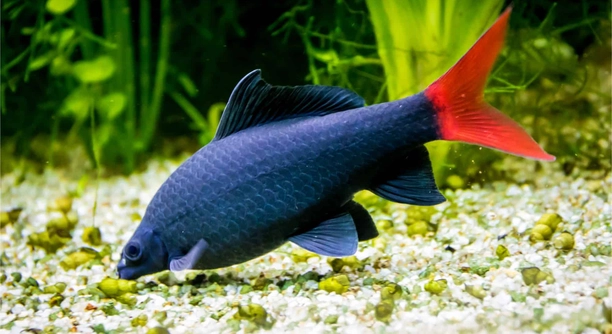
Rainbow Sharks are popular freshwater fish known for their vibrant colors and active nature. They require specific care to stay healthy and happy in a home aquarium. Proper tank conditions and regular maintenance are essential for their well-being.
To ensure a Rainbow Shark thrives, maintain clean water with stable temperature and pH levels, provide a spacious tank with hiding spots, feed a balanced diet, and avoid aggressive tank mates. Consistent monitoring and care help prevent stress and disease.
Understanding these key care steps will help you create a suitable environment for your Rainbow Shark. This article will guide you through the essential practices for its long-term health and vitality.
Maintain Optimal Water Quality
Keeping the water clean and stable is crucial for your Rainbow Shark’s health. Regular water changes, about 20-30% weekly, help remove waste and toxins. Use a good filtration system to keep the water clear and oxygenated. Test the water regularly for ammonia, nitrites, nitrates, and pH levels. Ideal temperature should be between 72-79°F (22-26°C), and pH around 6.5 to 7.5. Avoid sudden changes in water parameters, as Rainbow Sharks are sensitive and can get stressed easily. Proper water quality prevents disease and supports their active lifestyle in the tank.
Water quality directly affects your fish’s health, so keep testing and adjusting as needed. Stable conditions reduce stress and promote growth, making your Rainbow Shark more vibrant and lively.
Cleaning the tank regularly and ensuring proper filtration is essential. Even small changes in water quality can affect your fish. Consistency in maintenance helps your Rainbow Shark adapt and thrive, keeping it healthy and active over time.
Provide Adequate Tank Size and Environment
A Rainbow Shark needs enough space to swim freely and hide when it feels threatened. A minimum tank size of 30 gallons is recommended to accommodate their active swimming habits. Include decorations like caves, rocks, or plants to create hiding spots, which help reduce stress. Open swimming areas encourage exercise, which is important for their health. Avoid overcrowding the tank, as too many fish can lead to poor water quality and aggression. Rainbow Sharks prefer dimmer lighting and a substrate of sand or fine gravel, which mimics their natural habitat and allows them to forage comfortably. Proper environment setup supports their behavior and overall well-being.
Feed a Balanced Diet
Rainbow Sharks need a diet rich in nutrients to stay healthy. Provide high-quality pellets or flakes designed for omnivores. Supplement with live or frozen foods like bloodworms or brine shrimp to add variety.
Feeding should be done once or twice a day in small amounts they can finish within a few minutes. Overfeeding can lead to poor water quality and health issues. Including vegetable matter, such as blanched spinach or zucchini, supports their digestive system. Offering varied food keeps your Rainbow Shark interested and ensures it receives essential vitamins and minerals.
Avoid feeding only one type of food, as this can cause nutrient deficiencies. Watch their eating habits to detect any changes that may signal health problems. Balanced nutrition helps your fish maintain its bright colors and energetic behavior.
Monitor Behavior and Health
Regularly observe your Rainbow Shark’s behavior for signs of illness or stress. Lethargy, loss of appetite, or unusual swimming patterns may indicate a problem. Early detection allows for quicker treatment.
Check for physical signs such as faded colors, clamped fins, or visible wounds. Maintaining a quarantine tank for new fish can prevent the spread of disease. Stress can be minimized by keeping a stable environment and avoiding aggressive tank mates. Consistent monitoring promotes long-term health and a happier fish.
Avoid Aggressive Tank Mates
Rainbow Sharks can be territorial, so choose tank mates carefully. Avoid aggressive or overly active fish that may provoke stress or fights. Peaceful, similarly sized fish work best to maintain harmony in the tank.
Providing enough space and hiding spots reduces conflicts. Keeping the environment calm supports your Rainbow Shark’s natural behavior.
Maintain Proper Lighting
Lighting should mimic natural conditions without being too bright. Too much light can stress your Rainbow Shark and encourage algae growth. Use moderate, consistent lighting with a day-night cycle to help regulate their activity and rest.
Regular Tank Maintenance
Perform partial water changes and clean the substrate weekly. Removing uneaten food and debris prevents water contamination. Regular maintenance keeps your tank environment healthy and stable for your fish.
Observe Breathing Patterns
Watch your Rainbow Shark’s breathing for signs of stress or poor water quality. Rapid or labored breathing can indicate issues requiring prompt attention.
FAQ
How often should I feed my Rainbow Shark?
Feeding your Rainbow Shark once or twice daily is sufficient. Offer only as much food as it can eat in about two to three minutes. Overfeeding can lead to poor water quality and health problems. Make sure to provide a balanced diet including pellets, flakes, and occasional live or frozen foods.
What tank size is ideal for a Rainbow Shark?
A minimum tank size of 30 gallons is recommended. Rainbow Sharks are active swimmers and need plenty of space to move. Larger tanks also help reduce territorial behavior and provide room for hiding spots, which lowers stress.
Can Rainbow Sharks live with other fish?
Yes, but tank mates should be peaceful and similarly sized. Avoid aggressive or very small fish that could be bullied. Providing hiding places and enough space helps keep the tank peaceful and reduces conflicts.
What water conditions do Rainbow Sharks prefer?
They thrive in water temperatures between 72-79°F (22-26°C) and a pH level of 6.5 to 7.5. Maintaining clean, well-filtered water with stable parameters is essential to prevent stress and disease.
Why is my Rainbow Shark hiding so much?
Hiding behavior is normal when the fish feels stressed or threatened. This can happen due to poor water quality, aggressive tank mates, or sudden changes in the environment. Ensuring good water conditions and a calm tank helps reduce hiding.
How can I tell if my Rainbow Shark is sick?
Signs include faded colors, clamped fins, loss of appetite, lethargy, or unusual swimming. Rapid breathing or visible wounds are also red flags. Early detection and treatment are important for recovery.
What kind of substrate should I use?
Fine gravel or sand is best since Rainbow Sharks like to forage along the bottom. Avoid sharp substrates that could damage their barbels or fins. A natural-feeling substrate also encourages natural behavior.
Is lighting important for Rainbow Sharks?
Yes, moderate lighting is ideal. Too much light can stress your fish and promote algae growth. A consistent day-night cycle supports their activity and rest patterns, keeping them healthy.
How often should I clean the tank?
Partial water changes of 20-30% weekly help maintain water quality. Regularly remove uneaten food and debris to avoid contamination. Clean the filter as recommended to keep it effective.
Can Rainbow Sharks live alone?
They can, but they often do better with compatible tank mates. Alone, they may become bored or stressed. However, they do require enough space and enrichment to stay active and healthy.
Taking good care of a Rainbow Shark requires attention to several important factors. Maintaining clean and stable water conditions is key, along with providing a spacious tank that suits their active swimming needs. Offering a balanced diet that includes a mix of pellets, flakes, and occasional live or frozen foods supports their overall health. These basic steps form the foundation for helping your Rainbow Shark live a long and healthy life.
It is equally important to observe your fish regularly for signs of stress or illness. Changes in behavior, appetite, or appearance can be early warnings that something is wrong. Creating a calm environment with peaceful tank mates and plenty of hiding spots helps reduce stress and prevents conflicts. Proper lighting, regular tank maintenance, and careful monitoring of water quality all contribute to a thriving habitat where your Rainbow Shark can feel secure.
By following these care guidelines consistently, you set the stage for a vibrant and active fish. While each Rainbow Shark may have its own personality and preferences, the core needs remain the same. Paying attention to these details not only improves your fish’s quality of life but also enhances your enjoyment of keeping such a colorful and energetic species. With patience and dedication, your Rainbow Shark will thrive and bring lasting beauty to your aquarium.

Hello,
If you enjoy the content that we create, please consider saying a "Thank You!" by leaving a tip.
Every little bit helps us continue crafting quality advice that supports the health, happiness, and well-being of pets around the world, for pets of all shapes, sizes, and species.
We really appreciate the kindness and support that you show us!