
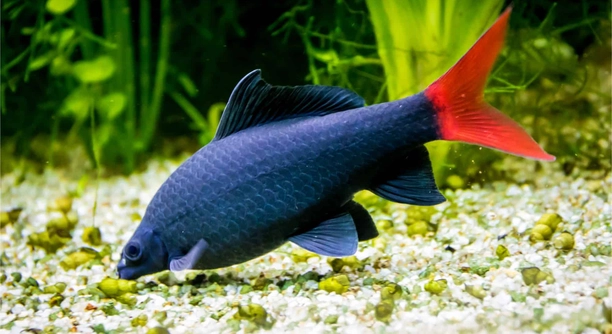
Is your rainbow shark spending more time hiding or acting aggressive, leaving you worried about its tank environment and overall health?
A healthier tank environment for a rainbow shark starts with maintaining stable water conditions, providing enough swimming space, and including appropriate tank mates. These elements help reduce stress, support activity, and encourage natural behavior.
Simple changes can make a big difference in your rainbow shark’s comfort and long-term wellbeing inside the aquarium.
Keep the Water Clean and Stable
Maintaining clean water is one of the most important things you can do for your rainbow shark. They are sensitive to poor water quality and sudden changes in conditions. Use a reliable filter, test the water weekly, and perform partial water changes regularly. Aim for stable parameters: temperature between 75–81°F, pH between 6.5–7.5, and low ammonia and nitrate levels. Dirty water can trigger stress and illness, while consistent care keeps your rainbow shark active and healthy. Avoid overfeeding, as leftover food breaks down and impacts water quality. Clean the tank walls and vacuum the substrate to reduce debris buildup.
A stable and clean tank encourages natural behavior and supports long-term health.
When water quality is ignored, rainbow sharks often become aggressive or withdrawn. Regular maintenance and proper equipment prevent sudden issues. Automatic heaters and digital thermometers help monitor the environment without constant manual checks. Keeping conditions steady lowers stress and boosts your shark’s immune system.
Give It Enough Space to Swim
A rainbow shark needs space to swim freely to feel comfortable and active. Small tanks can increase territorial aggression and stress levels quickly.
Choose a tank that is at least 55 gallons. This allows your rainbow shark to claim territory and still have space to roam. Long tanks are better than tall ones, as these fish prefer horizontal swimming areas. Add hiding spots along the tank’s base using caves, driftwood, or dense plants, but don’t overcrowd the space. Keeping the middle and upper parts of the tank open for movement helps reduce anxiety and improves your shark’s activity. A larger tank also keeps water parameters more stable, making it easier to manage long-term. If you plan on adding tank mates, more space reduces the chances of conflict. The extra room helps each fish establish its own space, lowering the chance of aggression. A well-planned setup prevents most behavior problems before they start.
Choose Peaceful Tank Mates Carefully
Rainbow sharks are territorial and may chase or nip other fish, especially those with similar body shapes or colors. Avoid adding other bottom dwellers or aggressive fish. Stick to peaceful, fast-swimming species that stay in the upper levels of the tank.
Tank mates like barbs, danios, and rasboras often work well because they stay active and occupy different areas of the tank. Avoid fish with long fins or slow movements, as they can become easy targets. Do not house multiple rainbow sharks together unless you have a very large tank, as they will likely fight over territory. Always observe new fish closely during the first few days and be ready to separate them if needed. Add new tank mates gradually to avoid overwhelming the established rainbow shark. Providing enough space and cover for all fish helps reduce stress and keeps the tank calm.
Introducing the right tank mates helps reduce unwanted behavior. Even peaceful species can stress your shark if they constantly invade its space or outcompete it during feeding. Observe your shark’s reactions closely after introducing any new fish. If chasing or aggression starts, it’s best to remove the new addition before injuries occur. Compatibility depends on space, personality, and tank layout.
Use the Right Lighting and Décor
Soft lighting helps reduce stress and allows your rainbow shark to feel more secure. Bright, harsh lighting can increase anxiety and trigger territorial behavior.
Stick to moderate lighting and include plenty of shaded areas using plants and driftwood. Floating plants can help block some of the light and create a more natural feel. Use dark-colored substrate to reduce reflections that might confuse or agitate your fish. Avoid sharp or bright decorations, and focus on smooth rocks, tunnels, and hiding spots. These provide security and reduce the chance of injury during quick movements. The layout should support the shark’s need to explore, hide, and patrol its area. Space each structure to prevent crowding, which can lead to stress or aggression. A thoughtful setup encourages calm, natural behavior and makes the tank look more balanced. Keep decorations stable and secure to avoid sudden shifts that could startle your shark.
Maintain a Consistent Feeding Routine
Feed your rainbow shark once or twice a day using high-quality sinking pellets, along with occasional vegetables or protein treats. Overfeeding can foul the water and cause health issues, so offer only what it can eat in a couple of minutes.
Avoid sudden changes in diet or feeding time. Consistency helps your fish feel secure and reduces stress-related behavior. Stick to a schedule and keep track of any uneaten food, which may signal a health problem or water issue.
Watch for Signs of Stress or Illness
Changes in behavior like hiding, rapid swimming, loss of color, or loss of appetite can signal stress or illness. Check water conditions first, then observe for signs of parasites or infections like white spots, frayed fins, or unusual marks. Early detection gives you more time to act. Treat with medication only if needed, and isolate sick fish when possible. Keep the tank clean and monitor changes closely. Stress weakens the immune system, so prevention through consistent care is the best protection.
Quarantine New Fish Before Adding
Quarantining new fish helps stop diseases from spreading. Keep them in a separate tank for at least two weeks and monitor for symptoms. This protects your rainbow shark and helps maintain a stable environment.
FAQ
Can rainbow sharks live with other bottom dwellers?
It’s usually not a good idea. Rainbow sharks are territorial and will likely chase or nip other bottom dwellers like corydoras, loaches, or plecos. These species compete for the same space, leading to stress or injury. If the tank is large enough—over 100 gallons—with plenty of hiding spots and divided territories, it may work, but the risk remains. It’s best to stick with mid-to-top-level swimmers that won’t challenge your rainbow shark’s territory.
How do I know if my rainbow shark is stressed?
Signs of stress include hiding all the time, fast or erratic swimming, pale color, lack of appetite, or aggression. Stress can come from poor water quality, tank mates, a small tank, or sudden changes in lighting or temperature. If your fish is acting differently, test the water and make sure all conditions are stable. Stress weakens the immune system and leads to illness if not addressed quickly.
Can I keep more than one rainbow shark in the same tank?
Keeping more than one rainbow shark in a single tank is not recommended unless the aquarium is very large—typically over 125 gallons. These fish are highly territorial and will fight with their own kind. Even in big tanks, there’s no guarantee they will get along. They often become aggressive toward any similar-looking fish, so it’s safer to keep just one per tank to avoid serious conflict.
What should I feed my rainbow shark?
Rainbow sharks are omnivores. A good base diet includes sinking pellets or wafers designed for bottom-feeders. You can supplement with blanched vegetables like zucchini, peas, or spinach. Add protein-rich options like bloodworms or brine shrimp occasionally. Feed once or twice a day and remove any leftovers within a few minutes to keep the water clean. A balanced diet supports their immune system and keeps colors vibrant.
Why is my rainbow shark hiding all the time?
If your rainbow shark is constantly hiding, it could be stressed or uncomfortable with its environment. Reasons include poor water quality, bullying from tank mates, lack of hiding spots, or overly bright lighting. New rainbow sharks may also hide while adjusting to a new tank. Check water parameters and tank setup. Make sure the lighting isn’t too harsh and provide enough cover to help your fish feel safe.
Can I put plants in a rainbow shark tank?
Yes, live plants are a great addition to a rainbow shark tank. They create hiding spots, reduce stress, and help balance the water quality. Choose sturdy plants like Java fern, Anubias, or Amazon swords, which won’t get uprooted easily. Floating plants like water lettuce also help reduce harsh lighting. Plants break up sightlines, giving fish a sense of territory and calm.
How big will my rainbow shark get?
Rainbow sharks can grow up to 6 inches long, sometimes a bit more in larger tanks. They need plenty of space to swim and patrol their territory. A minimum tank size of 55 gallons is recommended, but bigger is always better. Cramped spaces lead to stress and aggressive behavior, especially as they reach full size. Their size and territorial nature make proper tank planning important from the start.
What temperature should I keep the water at?
Rainbow sharks prefer temperatures between 75°F and 81°F (24°C to 27°C). Consistency is key—sudden changes can lead to stress and illness. Use a reliable heater and thermometer to keep the temperature steady. Avoid placing the tank in areas with frequent temperature shifts like near windows or vents.
Why is my rainbow shark chasing other fish?
Chasing is often a sign of territorial behavior, especially if the tank is too small or overcrowded. Rainbow sharks like to establish their own area, and when other fish invade it, they may chase to assert dominance. Make sure the tank is big enough and has plenty of visual barriers like plants and décor. Choosing the right tank mates also helps reduce this behavior.
How often should I clean the tank?
Partial water changes (about 25–30%) should be done weekly to keep water conditions stable. Vacuum the substrate to remove debris and clean the filter monthly, but don’t change all the media at once to avoid killing beneficial bacteria. Monitor water parameters regularly to catch any issues early. Keeping the tank clean is key to your rainbow shark’s health and overall stability of the setup.
Final Thoughts
Keeping your rainbow shark healthy starts with a clean, well-maintained tank. These fish are sensitive to water changes and poor conditions, so consistent care is important. Test your water weekly, use a strong filter, and change a portion of the water regularly. Clean the tank’s surface and remove extra waste from the substrate. These steps help keep stress low and your fish active. Simple routines can make a big difference in keeping the environment safe and balanced. A healthy tank also means fewer illnesses and better behavior overall.
Tank size and layout are just as important as water care. Rainbow sharks need space to swim and places to hide. A 55-gallon tank is the minimum, but more space is always better, especially if you plan to add tank mates. Include caves, driftwood, and plants to give your fish room to explore while still feeling secure. Don’t overcrowd the tank or place decorations too close together. Leave open swimming areas in the center. A thoughtful layout gives your shark a clear space to patrol, which helps reduce aggression. The right environment supports natural movement and calm behavior.
Feeding, lighting, and social setup all affect your rainbow shark’s comfort. Stick to a regular feeding routine and provide a balanced diet with variety. Avoid overfeeding, which can lead to dirty water and health problems. Choose peaceful tank mates that won’t invade the bottom of the tank. Use soft, steady lighting and avoid loud environments that can cause stress. Keep a close eye on your fish’s behavior. If you notice any changes, check the water first, then look for signs of illness or stress. With the right care, rainbow sharks can live for several years and stay healthy. They are beautiful, active fish that do well when their needs are met. By staying consistent and observing your tank closely, you create a better space for your rainbow shark to thrive.

Hello,
If you enjoy the content that we create, please consider saying a "Thank You!" by leaving a tip.
Every little bit helps us continue crafting quality advice that supports the health, happiness, and well-being of pets around the world, for pets of all shapes, sizes, and species.
We really appreciate the kindness and support that you show us!