
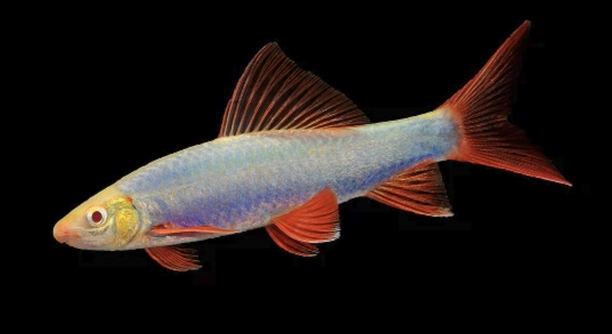
Many aquarium owners enjoy keeping rainbow sharks for their lively presence and striking colors. However, these fish can sometimes show aggressive behavior that disrupts tank harmony. Managing this aggression is key to a peaceful aquarium environment.
Reducing aggression in your rainbow shark’s tank involves providing sufficient space, maintaining proper tank conditions, introducing hiding spots, avoiding overcrowding, feeding a balanced diet, monitoring tank mates carefully, and establishing a stable environment to minimize stress.
Learning effective ways to manage aggression will help your rainbow shark thrive and create a more enjoyable experience for both you and your fish.
Provide Enough Space for Your Rainbow Shark
Rainbow sharks need plenty of room to swim freely. A small tank can make them feel trapped and stressed, which increases aggression. The ideal tank size for one rainbow shark is at least 30 gallons. Larger tanks are better if you plan to keep multiple fish. Space allows the rainbow shark to establish its territory without constant confrontation. It also gives them a chance to swim away if they feel threatened. Make sure the tank is long rather than tall, as these fish prefer horizontal swimming areas. Keeping the water clean and properly filtered supports a healthy environment, which reduces irritability. Remember, a crowded or cramped tank is often the reason behind aggressive behavior in rainbow sharks. Providing ample space creates a calm habitat where your fish can thrive and interact peacefully with tank mates.
Proper tank size plays a crucial role in lowering stress and aggression in rainbow sharks. More space means fewer territorial disputes.
A well-sized tank reduces competition for territory and limits stress that causes aggression. Rainbow sharks are naturally territorial and can become hostile if they feel confined. Ample space helps them swim freely and reduces the urge to chase or attack other fish. It also supports better water quality by diluting waste and stabilizing the environment. This, in turn, keeps the fish healthier and calmer. Setting up a spacious tank with clear swimming zones makes your rainbow shark less aggressive and more comfortable in its home.
Add Plenty of Hiding Spots and Decorations
Hiding places give your rainbow shark safe zones where they can retreat. This helps reduce stress and aggression.
Decorations such as caves, rocks, and plants create natural barriers and resting spots. Rainbow sharks are territorial, but they also need areas to hide when they feel threatened. Providing these spaces breaks up the line of sight and lowers constant confrontation with other fish. Live or artificial plants add shelter and improve water quality by absorbing nitrates. Rocks and driftwood mimic the natural habitat and help your fish feel secure. Changing the tank layout occasionally can also reduce territorial fights by confusing fish about boundaries. Overall, hiding spots give your rainbow shark a peaceful retreat and promote better behavior.
In a tank with few hiding spots, rainbow sharks may become aggressive because they feel exposed. Without places to hide, stress levels rise, and they can start bullying other fish. Adding caves and plants creates a balanced environment where each fish can claim its own area. Decorations also add visual interest and make the tank feel more natural. This reduces tension and lets your rainbow shark coexist peacefully with tank mates. Try to arrange hiding places evenly around the tank so all fish have safe zones to retreat to. This simple change helps keep aggression under control and improves the overall atmosphere.
Avoid Overcrowding the Tank
Too many fish in one tank leads to competition for space and resources. This raises stress and causes aggression, especially in territorial species like rainbow sharks. Keeping the tank population balanced is essential for peace.
Overcrowding causes stress because rainbow sharks need room to claim their own territory. When space is limited, they feel threatened and become more aggressive toward other fish. Overcrowded tanks also make water quality harder to maintain, which can cause illness and irritability. Each fish produces waste, and when too many live in a small space, toxins build up quickly. This environmental stress further increases aggressive behavior. Limiting the number of fish and choosing peaceful tank mates helps maintain a calm environment and reduces fights.
Carefully plan the number of fish based on your tank size. Overcrowding not only causes aggression but also reduces oxygen levels and water clarity. Keeping fewer fish makes cleaning easier and creates a healthier habitat for your rainbow shark and others.
Feed a Balanced and Regular Diet
A poor diet can increase aggression in rainbow sharks. Feeding them well helps keep them calm and healthy.
Rainbow sharks need a mix of high-quality pellets, flakes, and occasional live or frozen foods like bloodworms or brine shrimp. A balanced diet supports their energy needs and reduces competition for food, which can cause fights. Feeding small amounts two or three times a day is better than one large feeding. This prevents hunger and reduces aggressive behavior caused by food guarding. Avoid overfeeding, as leftover food pollutes the tank and affects water quality, which can make fish irritable. A consistent feeding schedule helps your rainbow shark feel secure and less likely to lash out.
Good nutrition directly influences behavior and health. Providing variety and regular feedings helps keep aggression low and your fish active and happy.
Choose Compatible Tank Mates
Selecting peaceful fish helps reduce fights with your rainbow shark. Avoid aggressive or overly active species that may provoke it.
Good tank mates include bottom dwellers and fast swimmers that keep to themselves. This balance lowers territorial disputes and stress for all fish involved.
Maintain Stable Water Conditions
Keeping water parameters steady is vital to reduce aggression. Sudden changes in temperature, pH, or ammonia levels cause stress, which can trigger hostile behavior. Use a reliable heater and test water regularly to ensure a healthy, stable environment. Stability helps your rainbow shark feel secure and less prone to attacks.
Establish a Routine
Consistency in feeding, cleaning, and lighting creates a predictable environment for your fish. A steady routine lowers stress and aggression by making the tank feel safe and well-maintained.
FAQ
How can I tell if my rainbow shark is being too aggressive?
Aggression in rainbow sharks often shows through chasing, nipping, or bullying other fish. They may repeatedly attack tank mates or defend territory aggressively. Look for signs like torn fins on other fish or fish hiding more than usual. If your rainbow shark is constantly darting around and targeting others, it’s likely acting aggressively. Early recognition helps prevent serious injuries and stress among your aquarium inhabitants.
Can adding more hiding spots really reduce aggression?
Yes, hiding spots give rainbow sharks safe areas to retreat when they feel threatened. Without places to hide, these fish may feel constantly exposed, increasing stress and aggressive behavior. Caves, plants, and decorations break up the tank visually and physically, allowing your rainbow shark to claim its territory without constant conflict. Creating multiple hiding zones benefits all fish by lowering stress and territorial disputes.
Is tank size really that important for aggression?
Tank size is very important. Rainbow sharks need space to swim and establish territories. Smaller tanks force them into close quarters, leading to fights and increased stress. A minimum of 30 gallons for one rainbow shark is recommended, but larger tanks work better, especially with other fish. More space means less competition, better water quality, and fewer aggressive encounters.
What types of tank mates work best with rainbow sharks?
Peaceful bottom dwellers or fast-moving mid-water fish are best companions. Avoid slow or aggressive species that may trigger fights. Fish like Corydoras catfish, danios, or tetras generally coexist well with rainbow sharks. Always research compatibility before adding new fish, and monitor interactions closely to prevent bullying or territorial behavior.
How often should I feed my rainbow shark?
Feeding two to three small meals a day works best. This keeps hunger low and reduces aggressive competition for food. Use a balanced diet of pellets, flakes, and occasional live or frozen treats like bloodworms. Avoid overfeeding, as leftover food can pollute the tank and cause irritability. A consistent feeding schedule helps keep your fish calm and healthy.
Can poor water quality cause aggression?
Yes, unstable or dirty water stresses fish, making them more prone to aggression. Ammonia, nitrite, and nitrate spikes irritate your rainbow shark and its tank mates. Keeping up with regular water changes and monitoring parameters keeps the environment healthy and calm. Stable temperature and pH levels also prevent stress-related aggression.
Will changing the tank layout reduce fights?
Rearranging decorations and hiding spots occasionally can reduce territorial disputes. When boundaries change, fish feel less territorial and may show less aggression. Moving caves, plants, or rocks disrupts established territories and gives all fish a chance to explore new areas. This simple step can keep your rainbow shark calmer and reduce conflict.
Is it normal for rainbow sharks to be aggressive sometimes?
Yes, some aggression is natural because rainbow sharks are territorial fish. They may chase others to defend their space. However, frequent or severe aggression signals problems like overcrowding, poor water quality, or lack of hiding spots. Addressing these issues helps control aggression and improves tank harmony.
How do I safely introduce new fish with a rainbow shark?
Introduce new fish slowly and watch interactions closely. Use a quarantine tank first if possible. Rearrange decorations before adding newcomers to reduce territorial defense. Adding fish at night or when the rainbow shark is less active can also help. Be ready to separate aggressive individuals if needed to prevent harm.
Can stress from external factors increase aggression?
Yes, sudden loud noises, bright lights, or frequent tank disturbances stress fish and cause aggressive behavior. Minimizing disturbances and keeping a calm environment supports peaceful behavior. A quiet location with stable lighting helps your rainbow shark feel secure and reduces attacks on tank mates.
Final Thoughts
Managing aggression in your rainbow shark’s tank is important for creating a peaceful and healthy environment. These fish are naturally territorial, so some level of aggression is expected. However, by giving them enough space, proper hiding spots, and choosing the right tank mates, you can reduce most of the fighting and stress. A well-maintained tank with stable water conditions also helps your rainbow shark feel secure, which lowers its aggressive behavior. Taking the time to set up the tank thoughtfully will benefit all the fish living in it.
Feeding your rainbow shark a balanced diet on a regular schedule plays a big role in controlling aggression. Hungry fish tend to compete more, which leads to chasing and nipping. By providing the right food in proper amounts, you can keep your rainbow shark calm and healthy. Avoid overcrowding your tank because too many fish cause competition for space and resources, which raises stress and fights. Instead, keep a balanced number of fish to make sure everyone has enough room to swim and find their own space.
Aggression is a natural behavior, but it does not have to make your tank unpleasant. Watching for signs of stress or bullying and making changes quickly can prevent serious problems. Rearranging decorations or adding new hiding places can shift territorial boundaries and reduce fights. Keeping a steady routine and quiet environment helps your rainbow shark feel safe. With consistent care and attention, your rainbow shark can live peacefully with other fish, making your aquarium a more enjoyable place to watch and care for.

Hello,
If you enjoy the content that we create, please consider saying a "Thank You!" by leaving a tip.
Every little bit helps us continue crafting quality advice that supports the health, happiness, and well-being of pets around the world, for pets of all shapes, sizes, and species.
We really appreciate the kindness and support that you show us!