
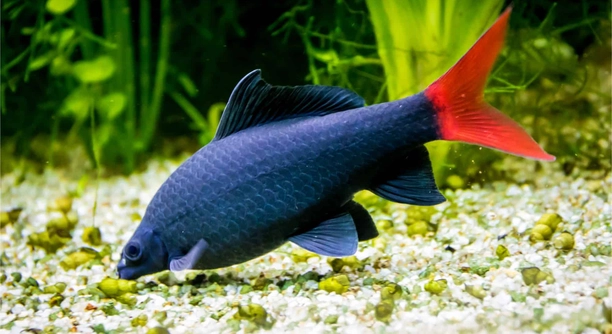
Is your rainbow shark tank more stressful than soothing, leaving your other fish hiding or feeling overwhelmed in their space?
The best way to make your rainbow shark tank more peaceful is by creating a balanced environment with proper hiding spots, compatible tank mates, and consistent water parameters. These adjustments help reduce aggression and support calm behavior.
These seven simple methods will help create a healthier tank atmosphere and improve your rainbow shark’s interactions with other aquatic life.
Choose the Right Tank Size
Rainbow sharks are territorial by nature and need plenty of room to feel secure. A tank that’s too small increases stress and aggression, especially toward other fish. A minimum of 55 gallons is ideal for a single rainbow shark. The space gives them enough territory to patrol without becoming overly aggressive. It also helps reduce constant interaction with tank mates. A larger tank means more areas to break up sightlines, which is important for minimizing territorial behavior. If you’re housing other fish with your rainbow shark, more space becomes essential to keep things calm and balanced.
Smaller tanks limit movement and reduce the chances for each fish to find their own spot. This often leads to stress and unnecessary chasing.
Choosing the correct tank size sets the foundation for a peaceful setup. It also provides the space needed to properly decorate and create zones, which help break up territories and ease tension between tank mates.
Add Hiding Spots and Decorations
Providing enough hiding places can make a big difference in your tank. It lowers aggression by giving fish private spaces to retreat.
Use driftwood, caves, rocks, and plants to create cover and block sightlines. Rainbow sharks are visual creatures, and when they constantly see others in their territory, they become defensive. Strategic placement of decorations reduces line of sight and helps each fish claim a small area without conflict. Avoid clustering everything in one spot. Spread out the decor to give your fish multiple zones to explore or hide. This is especially helpful if you have other bottom-dwelling fish. Floating plants also work well to soften light and create shadowed corners. While rainbow sharks prefer open swimming areas, they benefit from tucked-away hiding spots where they feel safe. Decorations also reduce boredom and provide mental stimulation, making the environment more balanced overall.
Avoid Aggressive Tank Mates
Rainbow sharks do not do well with other territorial or aggressive fish. Mixing them with similar species often leads to stress, chasing, and injuries. Choosing peaceful tank mates helps maintain a calm and stable environment.
Stick with mid-to-top dwelling fish that won’t compete for the same space. Species like barbs, danios, or rasboras are generally fast and peaceful enough to avoid trouble. Avoid other bottom dwellers like red tail sharks, bala sharks, or catfish that may trigger territorial behavior. If your rainbow shark feels its space is threatened, it will become aggressive. Be cautious during feeding times—some fish may become territorial when food is added. Monitor interactions in the first few days after introducing new fish. If you notice consistent chasing or fin-nipping, be ready to rearrange the tank or rehome incompatible tank mates to protect everyone’s well-being.
Choosing tank mates wisely keeps the tank peaceful and reduces stress for all the fish. You’ll notice fewer conflicts and a calmer environment overall. Compatibility matters more than variety. Even one poorly matched fish can upset the balance. Observe how your rainbow shark behaves with each addition and be prepared to adjust. The right tank mates will help the shark settle and thrive.
Maintain Stable Water Parameters
Rainbow sharks become aggressive when water conditions are unstable. Poor water quality increases stress and affects their behavior quickly. Keeping the tank clean and parameters consistent plays a key role in reducing tension.
Ammonia and nitrite levels should stay at zero. Nitrate should remain low—under 40 ppm. Keep the water temperature between 75°F and 81°F, and aim for a pH between 6.5 and 7.5. Use a reliable heater, test the water weekly, and change 25% of the water every week. A filter that supports both mechanical and biological filtration will help you maintain stable conditions. Overfeeding leads to extra waste, so feed sparingly and remove uneaten food quickly. Inconsistencies or neglect cause spikes that make fish feel vulnerable, which often leads to territorial behavior. When the environment is stable, your rainbow shark will feel more secure and less defensive toward other fish.
Feed at the Right Times
Feeding on a schedule helps reduce stress and aggression in rainbow sharks. Unpredictable feeding times or long gaps can make them territorial around food. Stick to feeding once or twice a day at consistent times to keep their behavior stable.
Feed only what they can finish in two to three minutes. Excess food increases waste and affects water quality. Use sinking pellets or algae wafers to make sure your shark gets its share without too much competition from faster fish. Balanced feeding helps promote a calm tank environment.
Reduce Reflections in the Glass
Rainbow sharks may react aggressively to their own reflection, mistaking it for another fish. This can lead to stress and constant pacing along the glass. You can reduce reflections by adjusting lighting or placing background paper outside the tank. Keeping the tank light softer also helps reduce mirrored surfaces.
Limit Rearranging the Tank
Frequent changes to the tank layout make rainbow sharks feel unsettled. They become territorial after choosing a favorite spot, and moving decorations too often disrupts their sense of safety. Rearranging occasionally is fine, but try to leave core hiding places in place so they can feel stable.
FAQ
Why does my rainbow shark chase other fish?
Rainbow sharks are naturally territorial, especially in confined spaces. Chasing happens because your shark is trying to protect its territory or establish dominance. This behavior increases if the tank is too small or lacks enough hiding spots. Creating more space and adding decorations to break sightlines can reduce chasing significantly. Also, avoid placing aggressive or bottom-dwelling fish nearby, as they might provoke your shark’s territorial instincts.
How can I tell if my rainbow shark is stressed?
Signs of stress include hiding more than usual, loss of appetite, faded colors, and erratic swimming. Increased aggression or constant chasing is also a stress indicator. Poor water quality, overcrowding, or incompatible tank mates usually cause this behavior. Regular water testing and observing your fish’s interactions can help you catch stress early and take steps to improve their environment.
Is it normal for rainbow sharks to be aggressive?
Yes, to some extent. Rainbow sharks have territorial tendencies and can show aggression toward tank mates, especially in smaller tanks. However, excessive aggression usually points to stress or poor tank conditions. Providing enough space, hiding spots, and peaceful tank mates helps balance their behavior.
Can I keep more than one rainbow shark in the same tank?
It’s generally not recommended unless you have a very large tank—100 gallons or more—and plenty of decorations to divide territories. Even then, rainbow sharks may still fight, as they naturally claim bottom territories. If you want multiple rainbow sharks, monitor them closely for signs of aggression and be prepared to separate if needed.
What tank mates work best with rainbow sharks?
Peaceful mid- to top-dwelling fish tend to coexist well. Examples include danios, barbs, tetras, and gouramis. Avoid other bottom-dwelling or territorial species, as they compete for space and cause fights. Fast, schooling fish are good choices because they spend less time near the bottom.
How often should I clean my rainbow shark tank?
Perform a 25% water change weekly and vacuum the substrate during these changes to remove waste buildup. Regular filter maintenance is also essential to keep water quality stable. Clean water reduces stress and aggression and supports the overall health of your fish.
What should I feed my rainbow shark?
Feed a balanced diet including sinking pellets, algae wafers, and occasional live or frozen foods like bloodworms or brine shrimp. Avoid overfeeding; feed only what they can eat in a few minutes. Proper nutrition keeps them healthy and less prone to stress-related aggression.
How do lighting and reflections affect rainbow sharks?
Bright lighting and reflections can cause stress or provoke aggressive behavior. Rainbow sharks may attack their reflection thinking it’s a rival. Using dimmer lighting or background paper on the tank exterior helps minimize reflections and calm your fish.
Can rearranging decorations help with aggression?
Yes, but do it sparingly. Rearranging breaks up territories, which can reduce aggression temporarily. However, too many changes make fish feel insecure. Maintain a stable layout with plenty of hiding spots to give your rainbow shark a sense of safety.
What temperature and pH are best for rainbow sharks?
Keep the water temperature between 75°F and 81°F, with a pH between 6.5 and 7.5. Consistency in these parameters is critical to reducing stress and aggression. Sudden changes in water chemistry often lead to territorial disputes and health problems.
Finding ways to make your rainbow shark tank more peaceful takes attention and care. These fish have natural behaviors that can sometimes cause tension in the tank, but the environment you create plays a big role in shaping how they act. Giving them enough space, good water quality, and suitable tank mates helps reduce stress and aggression. Paying close attention to their needs and making thoughtful adjustments can lead to a calmer, healthier tank overall.
Setting up the right tank size is one of the first steps to preventing problems. When rainbow sharks have enough room to swim and claim their own territory, they tend to be less aggressive. Adding plenty of hiding spots and decorations also helps break up their view and gives them places to retreat when they feel threatened. The right mix of tank mates makes a big difference too. Avoiding other bottom dwellers or aggressive fish lowers the chance of conflicts. Peaceful, fast-moving fish that swim higher in the tank usually get along better with rainbow sharks.
Maintaining stable water conditions is just as important. Rainbow sharks are sensitive to changes in temperature, pH, and water quality. Regular testing and weekly water changes keep the tank environment steady and reduce stress. Feeding them on a consistent schedule with the right food keeps them healthy and less likely to act out. Small changes like reducing reflections in the glass and not moving decorations too often also help keep your rainbow shark calm. When all these factors come together, your tank becomes a peaceful space for all the fish to thrive.

Hello,
If you enjoy the content that we create, please consider saying a "Thank You!" by leaving a tip.
Every little bit helps us continue crafting quality advice that supports the health, happiness, and well-being of pets around the world, for pets of all shapes, sizes, and species.
We really appreciate the kindness and support that you show us!