
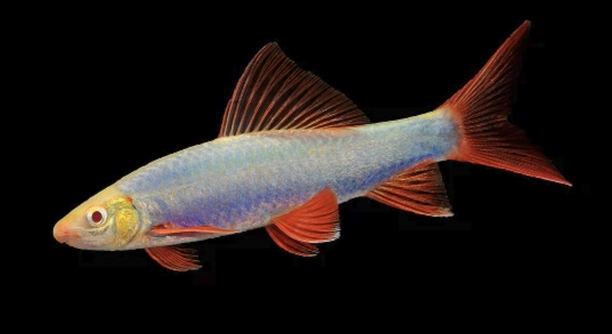
Rainbow sharks are popular aquarium fish known for their striking colors and active behavior. Many owners want to ensure their rainbow shark stays healthy and lives as long as possible. Proper care and attention are essential for their well-being.
To help your rainbow shark live longer, maintain clean water, provide a balanced diet, avoid overcrowding, and ensure a suitable tank environment. Regular monitoring of water parameters and reducing stress are critical factors in extending their lifespan.
Knowing these key care tips will improve your rainbow shark’s health and longevity. The following details will guide you in creating the best environment for your fish.
Keep the Tank Clean and Well-Maintained
Maintaining a clean tank is crucial for the health of your rainbow shark. Regular water changes help remove waste and toxins that can build up quickly in a confined space. Aim to change about 25% of the water every week to keep the environment stable. Using a good-quality filter will also help keep the water clear and oxygen-rich. Avoid overcrowding the tank, as too many fish can cause stress and lead to poor water quality. Testing water parameters like pH, ammonia, and nitrite levels is important to detect any problems early. A stable environment reduces the risk of diseases and supports the fish’s immune system. Remember, a clean tank mimics the fish’s natural habitat and promotes longer life.
Regular tank maintenance ensures your rainbow shark thrives by providing a safe, clean environment and preventing illness.
Keeping your tank clean involves more than just water changes. Removing uneaten food and debris from the substrate helps prevent decay that can harm water quality. You should also clean filter media as recommended, but avoid using tap water which can kill beneficial bacteria. Checking equipment like heaters and filters ensures they work properly, maintaining consistent water temperature and circulation. These small efforts add up to a healthier, longer life for your fish.
Provide a Balanced Diet with Quality Food
Feeding your rainbow shark a balanced diet is essential for its growth and health. In the wild, these fish eat a mix of algae, small insects, and other plant material. To replicate this, provide a combination of high-quality pellets, flakes, and occasional live or frozen foods like bloodworms or brine shrimp. Avoid overfeeding, as excess food can pollute the water and cause health problems. Feeding small amounts once or twice daily is sufficient. A varied diet helps ensure your fish gets the nutrients it needs, including proteins, vitamins, and minerals. Quality food supports their vibrant colors and boosts their immune system.
Consistent feeding routines and good food choices directly contribute to your rainbow shark’s longevity.
It is important to observe your fish during feeding times to ensure they are eating properly. Uneaten food should be removed to prevent water contamination. Some rainbow sharks may be shy at first, so be patient as they learn to eat from your hand or feeding area. Supplementing with vegetable matter like blanched spinach or zucchini is beneficial since these fish enjoy grazing on algae and plants. Balanced nutrition prevents malnutrition and promotes healthy growth, making your fish more resilient to disease. Proper feeding, combined with clean water, is key to extending the life of your rainbow shark.
Avoid Overcrowding the Tank
Overcrowding causes stress and poor water quality, which shortens your rainbow shark’s life. It is best to keep one rainbow shark in a tank that is at least 30 gallons.
Too many fish increase competition for food and territory. Rainbow sharks are territorial and may become aggressive when space is limited. This can lead to injuries and stress, weakening their immune system. Overcrowding also leads to faster buildup of waste, raising ammonia and nitrite levels, which are harmful. Maintaining proper stocking levels creates a peaceful environment and reduces the risk of disease.
A larger tank with fewer fish also allows your rainbow shark to swim freely and display natural behaviors. It helps keep water parameters stable and makes tank maintenance easier. Avoiding overcrowding is an important step in promoting your fish’s health and longevity.
Monitor Water Temperature and Parameters
Maintaining a stable water temperature between 74°F and 80°F is essential for your rainbow shark’s health. Sudden changes can cause stress and illness.
Water parameters like pH (6.5 to 7.5), ammonia, nitrite, and nitrate levels need regular testing. Keeping these within safe limits prevents toxic conditions that harm your fish. Use a reliable test kit weekly and adjust as needed with water changes or treatments. Temperature fluctuations can be minimized by using a heater with a thermostat. Avoid placing the tank near windows or drafts. Stable conditions reduce stress, supporting a longer life. Proper monitoring prevents common diseases caused by poor water quality and creates a comfortable habitat for your rainbow shark.
Provide Hiding Places
Rainbow sharks feel more secure with places to hide. Adding rocks, plants, and caves reduces stress and helps them feel safe.
Hiding spots also create territories, which can reduce aggression between fish. These elements mimic their natural environment and encourage natural behavior. A well-decorated tank improves overall well-being and supports longevity.
Avoid Sudden Changes
Sudden changes in water, temperature, or tank setup can shock your rainbow shark. Gradual adjustments help them adapt without stress.
Stress weakens the immune system and can lead to illness. Always acclimate new water slowly and introduce new tank elements carefully to maintain a stable environment.
Regular Health Checks
Observe your rainbow shark daily for signs of illness such as changes in color, behavior, or appetite. Early detection helps treat problems promptly.
Maintain Proper Lighting
Proper lighting supports natural behavior and algae growth, which rainbow sharks may graze on. Avoid overly bright or constant light to prevent stress.
How often should I clean my rainbow shark’s tank?
Cleaning frequency depends on tank size and stocking levels, but generally, a 25% water change weekly is ideal. Regular partial water changes help remove waste and toxins that build up over time. Besides water changes, removing uneaten food and debris from the substrate during cleaning prevents harmful bacteria growth. Cleaning the filter media monthly ensures it functions properly but avoid using tap water to preserve beneficial bacteria. Keeping a consistent cleaning schedule maintains water quality, reduces stress, and supports your rainbow shark’s health.
What is the best diet for a rainbow shark?
Rainbow sharks thrive on a varied diet. High-quality sinking pellets designed for bottom feeders are a good staple. Supplement with frozen or live foods like bloodworms, brine shrimp, and daphnia to provide protein. Including some vegetable matter, such as blanched zucchini or spinach, mimics their natural grazing on algae and plants. Avoid overfeeding by offering small portions once or twice daily. Excess food can pollute the water and cause health issues. A balanced diet keeps your fish vibrant, active, and less prone to disease.
Can rainbow sharks live with other fish?
Rainbow sharks are semi-aggressive and territorial, especially in smaller tanks. They can live with other fish if the tank is large enough—at least 40 gallons—and has plenty of hiding spaces. Avoid housing them with slow-moving or long-finned species, as they may nip fins. Ideal tank mates include fast, peaceful fish like danios, barbs, and some tetras. Proper tank setup and monitoring behavior are key to preventing aggression and injuries. Overcrowding or lack of hiding places increases stress and fighting risks.
What water parameters should I maintain?
Rainbow sharks prefer slightly acidic to neutral water with a pH between 6.5 and 7.5. Keep ammonia and nitrite levels at zero, and nitrate below 20 ppm through regular water changes. Water hardness should be moderate, around 5 to 12 dGH. Stable parameters reduce stress and promote a strong immune system. Use a reliable test kit weekly to monitor these levels and adjust as needed. Sudden changes in temperature or chemistry can cause health problems, so maintain consistent conditions with a heater and filtration system.
How do I know if my rainbow shark is healthy?
A healthy rainbow shark has vibrant colors, clear eyes, and smooth scales. It swims actively, grazes on the bottom, and responds to feeding times. Watch for normal breathing and no signs of labored movement. Signs of illness include faded colors, clamped fins, unusual spots, lethargy, or loss of appetite. Early detection of changes in behavior or appearance allows for prompt treatment, preventing worsening conditions. Regular observation is important for keeping your fish in good health.
What should I do if my rainbow shark shows signs of illness?
If your fish shows signs of illness, isolate it in a quarantine tank if possible. Check water quality immediately, as poor water is often the cause. Treat common issues like ich or fungal infections with appropriate medication. Avoid overfeeding and maintain stable water conditions during recovery. If unsure about the problem, consult a fish health expert or veterinarian. Acting quickly increases chances of recovery and protects other tank inhabitants.
Can rainbow sharks live in a community tank?
Yes, but only if the tank is large with plenty of hiding spaces. They need space to establish territories and avoid stress. Peaceful, fast-moving fish make better tank mates. Avoid small, slow, or long-finned species. Proper tank size, décor, and monitoring reduce aggression risks and help your rainbow shark live peacefully with others.
How large should the tank be for a rainbow shark?
A minimum of 30 gallons is recommended for one rainbow shark. Larger tanks are better for multiple fish or community setups. Providing ample swimming space reduces territorial behavior and stress. Proper tank size helps maintain water quality and promotes healthier, longer lives for your fish.
Taking care of a rainbow shark requires attention to several important factors. These fish need a clean tank with stable water conditions, a balanced diet, and enough space to swim freely. Providing hiding places and avoiding overcrowding help reduce stress, which is a common cause of health problems. Maintaining the right temperature and monitoring water quality regularly are also essential steps. Each of these care elements plays a role in keeping your rainbow shark healthy and extending its lifespan.
It is easy to overlook small details, but they matter greatly for your fish’s well-being. Feeding the right amount of quality food and avoiding sudden changes in the tank environment can prevent many common illnesses. Regular observation helps catch health issues early, allowing for quick treatment. Setting up your aquarium thoughtfully by including decorations and proper lighting supports natural behaviors, making the fish feel comfortable and safe. These combined efforts ensure your rainbow shark can live a longer and happier life.
Caring for a rainbow shark can be rewarding when you follow simple guidelines. Paying attention to water cleanliness, diet, tank size, and environment reduces stress and disease risks. A healthy fish not only looks vibrant but also behaves actively and shows good appetite. Your consistent care helps maintain these conditions, which directly impacts your fish’s longevity. Keeping these principles in mind will help you create a balanced and thriving aquarium for your rainbow shark.

Hello,
If you enjoy the content that we create, please consider saying a "Thank You!" by leaving a tip.
Every little bit helps us continue crafting quality advice that supports the health, happiness, and well-being of pets around the world, for pets of all shapes, sizes, and species.
We really appreciate the kindness and support that you show us!