
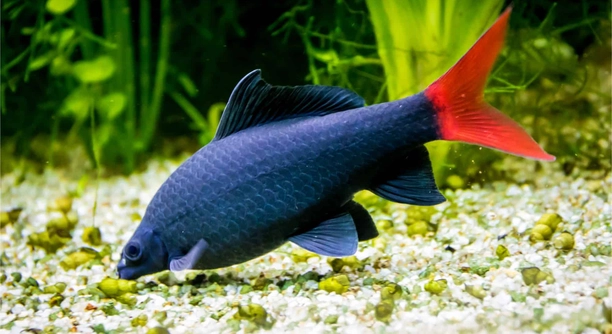
Is your rainbow shark hiding more than usual or acting stressed in its tank lately? Water quality might be the reason behind these changes. Poor conditions can affect its health, behavior, and overall wellbeing over time.
Water quality issues in a rainbow shark’s tank can be resolved by testing the water regularly, adjusting pH and temperature levels, reducing waste buildup, and ensuring proper filtration. Addressing these factors improves both comfort and long-term health.
Learning the key causes of poor water quality will help you create a better environment for your rainbow shark to thrive.
Test the Water Regularly
Testing the water in your aquarium should be part of your weekly routine. It’s the first and most important step in maintaining a stable environment for your rainbow shark. Ammonia, nitrite, and nitrate levels can rise quickly, especially in smaller tanks or when overfeeding occurs. Using liquid test kits gives more accurate results than strips and helps you spot issues early. Keep pH between 6.5 and 7.5, and check hardness and temperature regularly. These small checks can prevent larger issues down the line. When water parameters are off, your fish can become stressed, leading to illness and even aggression.
Quick water tests every week keep your fish healthy and prevent unexpected problems.
If your results show ammonia or nitrites above 0 ppm, perform a partial water change immediately and check your filter. Don’t wait for visible symptoms in your fish. Poor water quality often causes subtle changes before noticeable damage appears. Early detection helps you fix things before they get worse. Record test results in a notebook or app to track changes. Consistency makes it easier to spot unusual trends and react before your rainbow shark is affected. Regular testing also helps when adjusting your tank setup or adding new fish. Keeping this habit builds a stable home.
Clean the Substrate Properly
Waste and leftover food often settle into the gravel and slowly affect your tank’s balance. Regular cleaning helps prevent this.
Use a gravel vacuum during water changes to remove debris without disturbing the beneficial bacteria living in the substrate. Aim to clean about one-third of the gravel each week, rotating areas with every cleaning session. Stirring the gravel by hand is not enough, and skipping this step can lead to ammonia spikes. Fish waste, uneaten food, and decaying plant matter can settle deep into the substrate and cause water quality to drop over time. In tanks with overfeeding or too many fish, the buildup happens faster. Rainbow sharks tend to be territorial and active, so keeping their environment clean lowers stress. A clean bottom also improves oxygen flow and limits harmful bacteria from multiplying. If you notice cloudy water or a strong odor, it’s usually time to clean more thoroughly. Be consistent but gentle to avoid harming your tank’s balance.
Maintain a Consistent Temperature
Temperature swings can cause stress and weaken your rainbow shark’s immune system. Keep the water between 75°F and 80°F. Use a reliable heater and place a thermometer on the opposite side of the tank to monitor for consistency.
If the room temperature changes often, consider using a heater with a built-in thermostat. Sudden drops or rises in temperature can affect your fish’s behavior, making them hide more or become aggressive. Avoid placing the tank near windows, vents, or direct sunlight. These spots can cause unstable temperature conditions that are hard to control. If your tank is in a drafty room, add a tank cover or insulation. Check the water temperature at least twice a day, especially during seasonal changes. When introducing new water during changes, match the temperature to avoid shocking your fish. Stability is better than chasing a perfect number every day.
A stable temperature helps regulate your rainbow shark’s metabolism and supports healthy biological processes. Fluctuations can disrupt feeding habits, lead to illness, and even increase aggression due to discomfort. If your fish seems sluggish or overly active without reason, check the temperature first. Make adjustments slowly when needed. A calm, steady tank environment goes a long way in keeping your rainbow shark active and healthy each day.
Improve Tank Filtration
Strong filtration keeps the water clean and supports biological balance in your tank. Choose a filter that suits your tank size and produces enough flow without disturbing your fish too much. Rainbow sharks like some movement, but too much current can stress them.
Your filter should offer mechanical, biological, and chemical filtration. Mechanical filtration removes visible debris, biological media holds beneficial bacteria that break down waste, and chemical filtration removes toxins. Clean your filter monthly, but never wash biological media in tap water—use tank water to preserve bacteria. If your tank is overstocked or your fish produces more waste, consider upgrading to a more powerful unit. A good filter also helps distribute heat and oxygen more evenly throughout the tank. Pay attention to water flow patterns and adjust the filter output as needed. Proper filtration supports a clean and healthy space for your rainbow shark to explore and rest comfortably.
Avoid Overfeeding
Overfeeding leads to uneaten food sinking and breaking down in the tank, which harms water quality. Feed your rainbow shark only what it can eat within two minutes. Remove leftovers right away to prevent waste buildup in the substrate.
Stick to feeding once a day with small portions. Occasional fasting days help regulate digestion and reduce waste production.
Perform Regular Water Changes
Changing 20–30% of the water each week keeps nitrate levels low and removes dissolved waste that filters can’t catch. Use a water conditioner to treat tap water before adding it back to the tank. Make sure the replacement water matches the tank’s temperature to avoid shocking your rainbow shark. Use a gravel vacuum while removing water to clean the substrate at the same time. This reduces debris buildup and maintains oxygen flow. Consistent water changes not only improve water clarity but also create a stable environment where your rainbow shark can thrive without added stress.
Reduce Tank Stress
Too much activity, poor lighting, or loud noise near the tank can upset your rainbow shark. Keep the tank in a quiet spot with a regular light schedule and limit sudden disturbances.
FAQ
How often should I test the water in my rainbow shark’s tank?
Test your tank water once a week. This helps catch problems early, like ammonia or nitrate spikes. If your rainbow shark shows signs of stress, test right away. Use a liquid test kit instead of strips for more accurate results. Test after water changes or if you add new fish or decorations. Keeping a small notebook or digital log of your results makes it easier to track patterns and notice changes over time. Regular testing is the best way to prevent serious water quality issues.
What temperature is best for rainbow sharks?
Rainbow sharks thrive in water between 75°F and 80°F. Use a heater with a thermostat and place a thermometer in the tank to monitor the temperature daily. Keep the tank away from windows, vents, and doors to avoid temperature swings. Sudden changes in temperature can stress your fish and make them more likely to get sick. If you notice your shark acting strange, check the temperature before adjusting anything else. A steady temperature helps your fish stay active and healthy.
Can I keep a rainbow shark with other fish?
Yes, but choose tank mates carefully. Rainbow sharks can be territorial, especially in smaller tanks. Avoid other bottom-dwellers or similar-looking fish. Stick to peaceful, mid- to top-level swimmers that won’t compete for space. Make sure your tank is at least 55 gallons to reduce tension. Add hiding spots like caves and plants to give everyone space. Watch for signs of aggression, and be ready to rehome fish if needed. With the right setup and space, rainbow sharks can live peacefully with compatible species.
How do I know if my water filter is working properly?
You should see clear water with gentle movement throughout the tank. If the water looks cloudy or smells bad, your filter may not be doing its job. Check for clogs, dirty filter media, or a drop in water flow. Rinse mechanical parts in tank water monthly and replace chemical media as needed. Avoid cleaning all parts at once to keep good bacteria alive. If your tank has a high bioload or gets dirty quickly, consider upgrading to a stronger filter. A steady, well-filtered tank helps reduce water changes and keeps your fish healthier.
Why is my rainbow shark hiding all the time?
Hiding can be a sign of stress from poor water quality, tank mates, or changes in temperature. It may also be normal behavior, especially during the day, as rainbow sharks are more active at night. Check the water parameters first and make sure the temperature is stable. If the water looks fine, look at tank size and possible bullying from other fish. Provide caves or plants to create a more comfortable environment. If the hiding continues, monitor for signs of illness like clamped fins or reduced appetite.
How do I lower ammonia levels in my tank?
Start by testing the water to confirm the ammonia level. If it’s above 0 ppm, perform a 25–50% water change immediately. Avoid feeding your fish for a day or two and remove any uneaten food. Make sure your filter is working properly and not clogged. Add a water conditioner that detoxifies ammonia, and check that your tank is not overcrowded. Don’t replace all filter media at once, as this can remove beneficial bacteria that help process ammonia. Regular cleaning and consistent testing are key to keeping levels safe.
Is it okay to use tap water in my aquarium?
Yes, but you must treat it first. Tap water contains chlorine or chloramine, which are harmful to fish. Use a water conditioner to neutralize these chemicals before adding the water to your tank. Also, try to match the temperature of the new water to your tank’s current temperature. Sudden shifts can stress your rainbow shark. If your local water is very hard or soft, consider mixing it with reverse osmosis (RO) water or using buffers to adjust hardness. Always test the water before adding it to your tank.
Final Thoughts
Keeping your rainbow shark healthy starts with clean and stable water. Testing regularly, avoiding overfeeding, and performing routine water changes all play a big part in maintaining a balanced tank. Each small step supports your fish’s comfort and helps prevent bigger problems. Water quality issues can build slowly, but regular care helps stop them before they affect your fish. Staying consistent with your maintenance routine is the easiest way to give your rainbow shark a safe and healthy home.
Water temperature, filtration, and stress levels also matter. A reliable heater, a good filter, and a quiet tank location help create a calm environment. If your rainbow shark hides often, acts aggressive, or stops eating, it could be reacting to changes in water quality or tank conditions. Simple adjustments—like moving the tank, adding more hiding spots, or checking the filter—can make a big difference. Paying attention to these small changes can help you solve problems early and avoid health issues.
You don’t need expensive equipment or advanced knowledge to care for a rainbow shark. What matters most is your attention and consistency. Set a regular schedule for feeding, testing, cleaning, and observing your fish. Over time, you’ll notice what’s normal for your tank and catch small changes quickly. Even just a few minutes each day can help your rainbow shark live a longer, healthier life. With steady care, your tank will stay cleaner, and your fish will remain active and comfortable.

Hello,
If you enjoy the content that we create, please consider saying a "Thank You!" by leaving a tip.
Every little bit helps us continue crafting quality advice that supports the health, happiness, and well-being of pets around the world, for pets of all shapes, sizes, and species.
We really appreciate the kindness and support that you show us!