
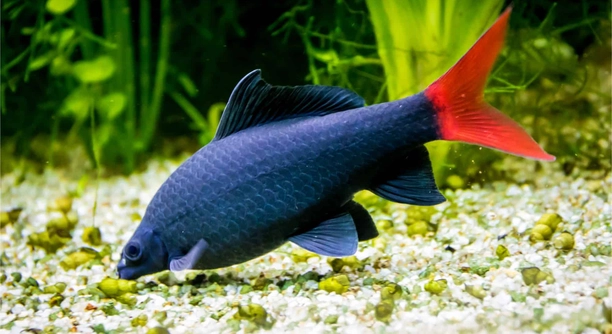
Do you ever find yourself wondering how to make your aquarium feel more like home for your rainbow shark? Creating the right environment can help your fish stay healthy and feel more secure in its space.
The best way to make your rainbow shark’s habitat more natural is by replicating its native environment—slow-moving rivers with rocks, plants, and hiding spaces. This setup reduces stress, supports healthy behavior, and improves the fish’s overall well-being.
Adding natural elements and adjusting your tank’s layout can help your rainbow shark feel safe and comfortable in its new home.
Add Hiding Spaces with Rocks and Caves
Rainbow sharks are territorial and feel more secure when they have places to hide. In their natural environment, they rest and seek shelter under rocks, roots, and crevices. Adding caves, smooth rocks, or driftwood to your tank helps mimic this behavior. These hiding spots not only reduce aggression but also give your rainbow shark a place to retreat when it feels stressed. When setting up these areas, space them out to avoid blocking the swimming path. Use aquarium-safe materials to prevent water contamination. A well-balanced layout allows the shark to explore while still feeling protected.
Choose darker stones or wood to create shaded areas that feel more natural and comforting to the fish.
If your tank feels too open, your rainbow shark may become skittish or aggressive. Providing a few structured hiding places gives it a sense of control. It can also help limit conflicts with other fish in the aquarium.
Use a Soft, Sandy Substrate
Sharp gravel can harm your rainbow shark’s sensitive belly and fins. A soft, sandy substrate is a better choice, especially since these fish often rest near the bottom.
Fine sand mimics the riverbeds rainbow sharks are used to in the wild. It’s gentle on their skin and makes digging or resting more comfortable. Sand also supports the growth of beneficial bacteria, helping keep the water clean. If you already have gravel, consider swapping it out carefully during a water change to reduce stress. Avoid brightly colored or artificial substrates, as they can look unnatural and may contain dyes that affect water quality. Instead, choose natural beige or brown tones that resemble a real riverbed. You’ll notice that the rainbow shark becomes more relaxed and less likely to show signs of stress or aggression. Sand may also encourage more natural foraging behavior, adding to the overall well-being of your fish.
Add Live Plants for Shelter and Oxygen
Live plants help create a more natural space by offering shelter and improving water quality. They reduce stress and give your rainbow shark shaded areas to rest or hide when needed. Choose hardy plants that can tolerate active fish.
Java fern, anubias, and hornwort are good choices because they’re easy to care for and don’t need high light. These plants also grow well when attached to rocks or driftwood, which works well in a rainbow shark setup. Live plants absorb nitrates, which helps keep the tank cleaner and improves oxygen levels. Avoid plants with delicate leaves, as your shark may uproot or damage them during its normal activity. You can use small stones or mesh to secure plant roots and prevent floating. Keep an eye on plant health—yellowing leaves may signal lighting or nutrient issues. A balanced setup with plants makes your aquarium feel more peaceful and natural.
Adding plants to the edges and corners of the tank keeps the swimming area open while still offering shade and hiding spots. Your rainbow shark may rest near or under leaves when it feels overwhelmed. This setup encourages natural behavior and makes the tank feel less artificial. It also helps break up sightlines, which reduces aggression.
Maintain Stable Water Parameters
Sudden changes in temperature or pH can stress your rainbow shark. These fish prefer stable conditions, with a temperature between 75–81°F and a pH of 6.5–7.5.
Use a reliable heater to keep the water temperature steady and test your water regularly to check pH and ammonia levels. A simple testing kit makes it easier to track these changes before they affect your fish. Sudden drops in temperature or spikes in toxins can weaken your rainbow shark’s immune system. Partial water changes—about 25% weekly—help remove waste while keeping the water chemistry consistent. Use a water conditioner to remove chlorine and chloramines before adding new water. Avoid using soap or chemical cleaners on any tank materials. Always rinse new items thoroughly before placing them in the aquarium. Keeping the environment stable helps your rainbow shark stay active, colorful, and healthy over time.
Choose Calm Tank Mates
Rainbow sharks can be territorial, especially in smaller tanks. Choose peaceful, fast-swimming fish that occupy different areas of the tank. Avoid bottom dwellers or other shark-like species that may trigger aggression or competition for space.
Good options include barbs, danios, and rainbowfish. Keep tank mates in groups to reduce stress.
Provide Moderate Water Flow
Rainbow sharks come from rivers with steady movement, so moderate water flow helps them feel at home. Use a filter that gently circulates the water without creating strong currents. Proper flow also helps oxygenate the tank and keeps debris from settling on the bottom.
A sponge filter or adjustable output filter works well to create gentle, consistent movement. Make sure the current isn’t too strong, as rainbow sharks may become stressed or struggle to rest. You’ll know the flow is right if your shark swims normally and isn’t constantly fighting against the water. Keep filter intake areas covered to avoid injury. Adjust decorations and plants to direct water movement through open spaces without disturbing hiding spots. A steady, natural flow improves tank health and supports your fish’s natural activity levels.
Use Natural Lighting or Soft LED
Harsh or overly bright lights can cause stress. Stick to natural lighting patterns or soft LED lights with a timer to mimic day and night.
FAQ
What size tank is best for a rainbow shark?
A rainbow shark needs at least a 30-gallon tank, but a 40-gallon tank or larger is better. These fish are active swimmers and like having space to explore. A bigger tank helps reduce aggression by giving the fish more room to claim territory. It also makes it easier to add plants, hiding spots, and other peaceful fish. Smaller tanks can lead to stress, poor health, and increased territorial behavior. If you plan to keep other fish with your rainbow shark, going above 40 gallons will help create a more peaceful setup. Always choose a long tank over a tall one to give it more horizontal space.
Can I keep more than one rainbow shark in the same tank?
It’s not recommended to keep more than one rainbow shark in the same tank unless the setup is very large—typically 100 gallons or more. Rainbow sharks are known for being territorial and may fight if they feel their space is threatened. Even in large tanks, fights can happen if hiding spots or swimming space are limited. If you want to try keeping more than one, add plenty of plants, rocks, and caves to break up sightlines. Introduce them at the same time to reduce dominance behavior. Still, even with preparation, there’s no guarantee they will get along.
What do rainbow sharks eat in a natural-style tank?
Rainbow sharks are omnivores, so they need a mix of plant- and protein-based foods. In a natural-style tank, you can feed them algae wafers, high-quality sinking pellets, and fresh vegetables like spinach or zucchini (boiled first). For protein, include frozen or live foods like brine shrimp or bloodworms once or twice a week. They may nibble on algae or biofilm growing in the tank, but this should not be their main food source. Feed small amounts once or twice a day and remove leftovers to keep the water clean. A balanced diet helps them stay active and keeps their colors vibrant.
Why is my rainbow shark hiding all the time?
It’s normal for rainbow sharks to hide occasionally, especially if they are new to the tank. However, if hiding becomes constant, it may be a sign of stress. This can be caused by poor water quality, aggressive tank mates, a lack of hiding places, or sudden changes in lighting or temperature. Make sure the tank has plenty of caves or plants for cover and check the water parameters to rule out any issues. If your rainbow shark is healthy, it will usually come out to swim once it feels comfortable and safe in its environment.
Do rainbow sharks need a filter and heater?
Yes, both a filter and heater are important for a rainbow shark tank. Filters keep the water clean by removing waste and providing oxygen through water movement. A heater is needed to maintain a stable temperature between 75–81°F, which is ideal for rainbow sharks. Without proper filtration or heating, the water conditions can become unhealthy and cause stress or illness. Choose a filter that matches the size of your tank and clean it regularly. Use a reliable heater and thermometer to make sure the temperature stays steady. These two tools help maintain a stable, healthy environment.
How can I reduce aggression in a rainbow shark?
To reduce aggression, make sure your rainbow shark has enough space, hiding spots, and a well-structured tank layout. Avoid keeping it with slow or bottom-dwelling fish. Break up sightlines with plants and rocks to prevent constant chasing or displays of dominance. Keep tank mates active and peaceful, and avoid adding other fish that look similar to your shark. Maintaining stable water conditions and feeding properly can also reduce stress, which helps with behavior. If aggression becomes a problem, consider separating fish or rearranging the tank to disrupt territorial boundaries. Sometimes, even small changes can make a difference.
Final Thoughts
Creating a more natural habitat for your rainbow shark doesn’t have to be complicated. By making a few simple changes, you can help your fish feel safer and more comfortable in its tank. Start by focusing on the basics—space, shelter, and water quality. These are the most important parts of building a healthy environment. If the tank is too small or too plain, your rainbow shark may become stressed, hide more often, or even act aggressively toward other fish. Giving it enough room, adding places to hide, and keeping the water clean will make a big difference.
A natural setup isn’t just about making the tank look nice. It supports better behavior and keeps your fish healthier in the long run. Simple things like using smooth sand instead of gravel or adding hardy live plants help mimic the river-like setting that rainbow sharks are used to. When the tank feels closer to their natural environment, your rainbow shark is more likely to swim around calmly, explore new spots, and interact less aggressively with other fish. These changes don’t need to cost much, and many of the materials—like driftwood, plants, and safe rocks—are easy to find at aquarium stores or online.
Every tank is different, so take the time to observe your rainbow shark and adjust the setup as needed. Some fish like more hiding spots, while others prefer open swimming areas. Watch how your shark behaves, and make small changes when necessary. If you keep up with regular maintenance, water testing, and feeding, your rainbow shark can stay healthy and active for many years. A natural environment helps reduce stress, supports better immune function, and allows the fish to behave more like it would in the wild. In the end, a well-planned tank makes it easier for you to care for your fish and more enjoyable to watch it thrive.

Hello,
If you enjoy the content that we create, please consider saying a "Thank You!" by leaving a tip.
Every little bit helps us continue crafting quality advice that supports the health, happiness, and well-being of pets around the world, for pets of all shapes, sizes, and species.
We really appreciate the kindness and support that you show us!