
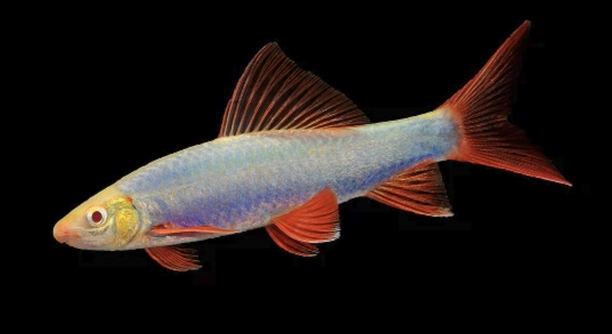
Are your Rainbow Sharks showing signs that they might be eating too much? Overfeeding is a common issue among aquarium owners and can affect the health of your fish. Knowing the signs helps keep your tank balanced and your fish healthy.
Overfeeding Rainbow Sharks often results in excess waste, lethargy, and physical changes such as bloating or faded colors. These symptoms indicate an imbalance in diet that can lead to serious health problems if not addressed promptly.
Recognizing these signs early can prevent long-term damage and improve your fish’s well-being in your home aquarium.
Signs of Overfeeding in Rainbow Sharks
Overfeeding Rainbow Sharks can cause several noticeable changes. One of the first signs is leftover food in the tank, which can make the water cloudy or dirty. Your fish might become less active, spending more time resting or hiding. You could also notice your Rainbow Shark’s belly becoming swollen or rounded. Another sign is faded or dull colors, as overfeeding can stress the fish. Excess food can lead to more waste, which affects water quality and the fish’s health. Overfeeding can also cause your fish to develop swim bladder problems, making it difficult for them to swim properly. Monitoring their eating habits and tank conditions regularly will help you spot these signs early and take action.
Too much food can cause digestive issues and reduce oxygen levels, both harmful to Rainbow Sharks.
Being aware of these signs allows you to adjust feeding routines and improve your fish’s environment for better health and vitality.
How Much Should You Feed Your Rainbow Shark?
Rainbow Sharks do not require large amounts of food each day. Feeding them small portions once or twice daily is sufficient for maintaining their health. Overfeeding is often a result of feeding out of habit or mistaking eagerness for hunger. They will eat all the food they need and stop when full, but leftover food can tempt you to feed more. It’s better to offer less and observe how quickly the fish finish their meals. Uneaten food not only harms water quality but also encourages bacterial growth. Feeding measured amounts will keep your fish healthy and your tank clean. When you feed appropriately, you support their digestion and prevent common health issues caused by excess food.
Feeding a balanced diet with occasional variety can also improve your Rainbow Shark’s overall condition and behavior.
Water Quality and Overfeeding
Poor water quality often results from overfeeding. Excess food breaks down, producing harmful toxins like ammonia and nitrites that stress Rainbow Sharks. Keeping the tank clean helps prevent these issues.
Maintaining clean water is essential for your Rainbow Shark’s health. Overfeeding leads to uneaten food settling at the bottom, where it decomposes and increases harmful waste products in the water. These toxins reduce oxygen levels, making it harder for fish to breathe and weakening their immune system. Regular water changes and using a good filtration system are necessary to control this buildup. Monitoring water parameters with test kits helps you catch problems early, preventing long-term damage to your fish and tank environment.
Water quality impacts not only your fish but also beneficial bacteria in the tank. Overfeeding disrupts this balance, affecting the overall ecosystem. Keeping feedings controlled protects both your Rainbow Shark and its habitat.
Behavioral Changes from Overfeeding
Overfed Rainbow Sharks often become lethargic and less responsive. This change in activity can signal health concerns related to diet.
Behavioral shifts occur because overfeeding affects digestion and energy levels. A fish with a heavy stomach may avoid swimming actively or exploring its tank. You might notice it staying near the surface or hiding more than usual. These behaviors can indicate discomfort or stress caused by excess food intake. Overfed fish also have a weaker immune response, making them vulnerable to diseases. Observing your Rainbow Shark’s typical behavior helps you identify when something is wrong and adjust feeding accordingly. Maintaining a proper feeding schedule ensures your fish remains energetic and healthy.
Addressing behavioral changes early by controlling food intake supports better health and a more vibrant, active fish.
Physical Symptoms to Watch For
Swollen belly and bloating are clear physical signs of overfeeding in Rainbow Sharks. These symptoms indicate digestive distress or excess fat buildup.
Another sign is faded or dull coloration. When overfed, Rainbow Sharks may lose their vibrant hues as their body struggles to cope with the excess nutrients.
Impact on Swim Bladder Function
Overfeeding can cause swim bladder issues, making it hard for Rainbow Sharks to control their buoyancy. This often leads to difficulty swimming or floating abnormally. The swim bladder, which helps regulate balance and position in the water, can become compressed or irritated by excess food in the digestive system. As a result, your fish may struggle to stay upright or swim smoothly. These problems are uncomfortable for the fish and may worsen if feeding habits don’t improve. Adjusting portion sizes and feeding frequency often helps relieve swim bladder stress, allowing your Rainbow Shark to regain normal movement and balance.
Preventing Overfeeding
Feeding smaller portions more frequently helps avoid overfeeding and promotes healthier digestion.
FAQ
How often should I feed my Rainbow Shark?
Feeding your Rainbow Shark once or twice a day is usually enough. Small portions work best because these fish can easily overeat if given too much food at once. Observe how quickly your fish finishes the food and adjust the amount accordingly. Avoid leaving uneaten food in the tank to prevent water quality issues.
What type of food is best for Rainbow Sharks?
Rainbow Sharks do well with a varied diet that includes high-quality flakes, pellets, and occasional live or frozen foods like bloodworms or brine shrimp. Plant-based foods can also help balance their diet. Providing different types of food supports their nutritional needs and keeps them interested in feeding without overeating.
Can overfeeding cause diseases in Rainbow Sharks?
Yes, overfeeding can lead to digestive problems, swim bladder disorders, and increased vulnerability to infections. Excess food produces waste that degrades water quality, creating an unhealthy environment that stresses fish and weakens their immune systems. Maintaining proper feeding habits and tank cleanliness reduces these risks.
What are the signs of swim bladder problems in Rainbow Sharks?
If your Rainbow Shark floats upside down, struggles to stay upright, or sinks to the bottom without swimming properly, it might have swim bladder issues. These problems often result from overfeeding or poor diet and can cause discomfort and difficulty moving.
How can I tell if my Rainbow Shark is hungry or just begging for food?
Rainbow Sharks may seem eager at feeding time, but eagerness doesn’t always mean hunger. Watch how quickly they eat and avoid feeding more once they stop. Feeding the right amount regularly helps prevent overfeeding while keeping your fish healthy and satisfied.
What should I do if I suspect my Rainbow Shark is overfed?
If you notice signs like bloating, lethargy, or water quality decline, reduce feeding amounts immediately. Perform regular water changes to improve tank conditions. Monitor your fish’s behavior and appearance closely. If problems persist, consult a specialist or experienced aquarist for advice.
Is it okay to skip feeding a day if my Rainbow Shark seems full?
Yes, skipping a feeding occasionally can help prevent overfeeding and aid digestion. Rainbow Sharks can tolerate short fasting periods without harm. Pay attention to their health and behavior to decide when to feed next.
How important is tank maintenance in preventing overfeeding issues?
Tank maintenance is crucial. Uneaten food breaks down and harms water quality, leading to health problems. Regular water changes, cleaning substrate, and maintaining filters remove excess waste and toxins, supporting your Rainbow Shark’s well-being.
Can feeding smaller meals more often help prevent overfeeding?
Yes, offering smaller amounts multiple times a day helps control food intake and reduces waste. This approach mimics natural feeding patterns and supports healthy digestion, preventing the risks linked to large, infrequent meals.
What is the risk of ignoring overfeeding signs in my Rainbow Shark?
Ignoring overfeeding signs can lead to chronic health problems, poor water quality, and even death. Long-term issues like swim bladder disease and weakened immunity are common. Early action prevents suffering and keeps your fish thriving in a healthy environment.
Final Thoughts
Taking care of a Rainbow Shark means paying attention to its diet and overall health. Overfeeding is a common mistake that can lead to many problems, from poor water quality to serious health issues for the fish. It is important to feed your Rainbow Shark the right amount of food and avoid giving extra, even if the fish seems hungry or eager at feeding time. Smaller portions given once or twice a day are usually enough to keep the fish healthy without causing overfeeding problems. Watching how quickly your fish eats can help you decide when to stop feeding and prevent leftover food from harming the tank environment.
Keeping the tank clean and maintaining good water quality are essential parts of caring for Rainbow Sharks, especially if overfeeding has been an issue. Excess food can break down in the tank and increase toxins like ammonia and nitrites, which are harmful to fish. Regular water changes and proper filtration help remove these harmful substances and keep the tank healthy. Testing water quality often allows you to catch problems early and avoid long-term damage to your fish and their environment. Good tank care, combined with proper feeding habits, creates a balanced habitat where your Rainbow Shark can thrive and show its best colors and behavior.
Watching your Rainbow Shark’s behavior and physical condition is important to spot signs of overfeeding or other health concerns early. Symptoms like bloating, dull coloration, swim bladder problems, or unusual swimming patterns indicate that changes in feeding or tank care may be needed. Overfeeding is one of the main causes of these problems, but adjusting feeding amounts and improving tank maintenance can help reverse the damage. Being mindful of your fish’s needs and making small changes can have a big impact on its health and happiness. Overall, responsible feeding and regular tank upkeep are key to enjoying a healthy Rainbow Shark in your aquarium.

Hello,
If you enjoy the content that we create, please consider saying a "Thank You!" by leaving a tip.
Every little bit helps us continue crafting quality advice that supports the health, happiness, and well-being of pets around the world, for pets of all shapes, sizes, and species.
We really appreciate the kindness and support that you show us!