
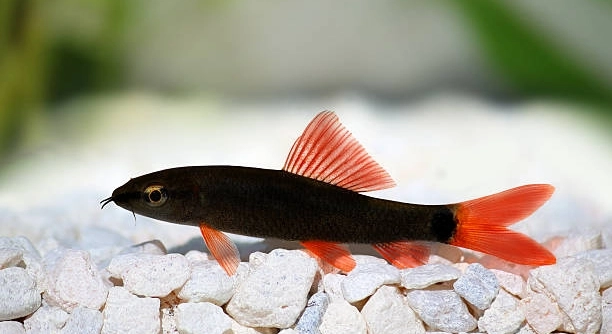
Rainbow sharks are popular aquarium fish known for their bright colors and active swimming. They require enough space and stimulation to stay healthy. Without enough exercise, their behavior and health can be affected over time.
Rainbow sharks need regular movement to maintain proper muscle tone and overall health. Lack of exercise can lead to lethargy, poor appetite, and weakened immune response. Providing ample swimming space and environmental enrichment encourages physical activity and well-being.
Recognizing these signs early can help you improve your fish’s environment and keep your rainbow shark lively and healthy.
Decreased Activity and Lethargy
A rainbow shark that spends most of its time resting at the bottom of the tank or hiding may be showing signs of insufficient exercise. These fish naturally like to swim actively and explore their environment. When they appear sluggish or uninterested in moving around, it can indicate that their energy is not being used properly. Reduced activity may also lead to muscle weakening, making it even harder for the fish to swim when needed. In some cases, lethargy might be linked to other health problems, but lack of exercise is often a key factor. Ensuring the tank provides enough room and stimulation encourages natural behavior and keeps your rainbow shark more active and alert.
Lethargy in rainbow sharks often signals they need more space or stimulation to stay physically fit.
Increasing swimming opportunities supports muscle health and improves overall vitality in your fish.
Poor Appetite and Weight Loss
When a rainbow shark is not moving enough, it may also lose interest in food. A healthy, active fish tends to eat regularly and maintain a steady weight. However, reduced exercise can slow their metabolism, causing them to eat less or even refuse food. This can quickly lead to weight loss and weaken their immune system. It’s important to offer a balanced diet with varied food options, but equally important to make sure they have enough room to swim and explore. Adding plants, rocks, or other decorations can create an environment that encourages movement, helping the shark stay interested in its surroundings and meals. Monitoring their eating habits and adjusting their environment can prevent serious health problems caused by inactivity.
Signs of Stress and Aggression
Stress can show in rainbow sharks that do not get enough exercise. They may become more aggressive toward tank mates or hide excessively. This behavior often results from boredom or frustration due to limited space and activity.
Providing more room and hiding spots helps reduce stress and aggression. When a rainbow shark can swim freely and explore, it feels more secure. In turn, this lowers tension and promotes healthier social behavior in the tank. Observing changes in behavior is important, as stress can lead to illness if left unaddressed. Ensuring an enriching environment keeps your fish calmer and better adjusted to its home.
Stress is often linked to a lack of stimulation and exercise in rainbow sharks. Adjusting tank conditions supports a peaceful and balanced community among fish.
Changes in Color and Appearance
A rainbow shark’s vibrant colors may dull when it doesn’t get enough exercise. Healthy movement helps maintain circulation and skin health, which keeps colors bright. When the fish is inactive, colors can fade or become patchy.
Besides exercise, water quality and diet also affect coloration. But if your rainbow shark’s environment is clean and its diet balanced, lack of activity is likely the cause. Encouraging swimming with decorations or companions can improve its color over time. Watching for changes in appearance is useful, as it reflects the overall health of the fish.
Improved exercise boosts blood flow, which supports vibrant scales and skin. Keeping your rainbow shark active is key to preserving its natural beauty.
Unusual Swimming Patterns
Unusual swimming patterns can indicate your rainbow shark needs more exercise. Swimming in circles, darting quickly, or remaining still too long are signs of restlessness or discomfort caused by inactivity.
These behaviors suggest the fish is trying to release built-up energy or stress. Increasing tank space and adding stimulation can help correct this.
Clamped Fins and Poor Posture
Clamped fins and poor posture often appear when a rainbow shark lacks proper exercise. Fins held close to the body and an awkward swimming angle show weakness or discomfort. Regular movement strengthens muscles, improving fin spread and posture.
Providing a larger tank with hiding places encourages natural swimming behavior, which promotes healthier fin use and posture.
Frequent Hiding Spots
A rainbow shark that hides more than usual may be avoiding inactivity stress. Frequent hiding can signal frustration or low energy from insufficient exercise. Encouraging movement by rearranging the tank or adding companions helps reduce hiding and supports well-being.
FAQ
How much space does a rainbow shark need to exercise properly?
Rainbow sharks require at least a 30-gallon tank to have enough room for swimming and exercise. The larger the tank, the better, as it allows them to explore and move freely. Overcrowding limits their movement, which can cause stress and health problems.
What tank features encourage more exercise?
Adding plants, rocks, and hiding spots creates an interesting environment for your rainbow shark. These features encourage exploration and movement. Open swimming areas mixed with places to hide help keep the fish active and engaged, promoting regular exercise.
Can rainbow sharks exercise with other fish?
Yes, they often become more active when housed with peaceful tank mates. Companions provide stimulation, encouraging swimming and interaction. Avoid aggressive or slow-moving fish that may cause stress or discourage movement in your rainbow shark.
How can I tell if my rainbow shark is getting enough exercise?
Look for bright colors, active swimming, and normal eating habits. A well-exercised rainbow shark will be alert, curious, and show healthy fins. If your fish appears lethargic, hides often, or has dull colors, it may need more exercise.
Is it possible to over-exercise a rainbow shark?
Rainbow sharks are naturally active, and they rarely get “over-exercised.” However, an overcrowded tank or constant chasing from tank mates can stress them out. Make sure the environment offers a balance of activity and resting places.
What should I do if my rainbow shark shows signs of poor health from inactivity?
First, improve its environment by increasing tank size or rearranging decorations to encourage movement. Add hiding spots and companions to stimulate natural behavior. Monitor water quality and diet closely, as these also affect health. If symptoms persist, consider consulting a fish health specialist.
Can diet affect my rainbow shark’s need for exercise?
Yes, a balanced diet supports energy and muscle function. Providing high-quality food helps your rainbow shark stay strong and active. Avoid overfeeding, as excess weight can reduce activity levels and cause health problems.
How often should I change the tank setup to keep my rainbow shark active?
Changing the tank layout every few weeks can renew your fish’s interest in exploring. Rearranging decorations or adding new plants encourages exercise and reduces boredom, promoting better health and behavior.
Are there specific exercises I can do to help my rainbow shark?
While you can’t directly exercise your fish like pets on land, creating an enriched environment encourages natural swimming and activity. Using a gentle water current or placing floating objects can motivate movement without causing stress.
What are the risks of a rainbow shark not getting enough exercise?
Lack of exercise can lead to muscle weakness, poor appetite, stress, faded colors, and increased susceptibility to disease. It affects overall well-being and shortens the fish’s lifespan. Regular activity is essential for maintaining health and vitality.
How long does it take to see improvement after increasing exercise?
Improvements in activity and appearance can be noticed within a few days to weeks. Color may brighten, and behavior becomes more energetic once the fish has space and stimulation. Consistent care and environment management are key to lasting benefits.
When caring for a rainbow shark, ensuring it gets enough exercise is essential to its overall health. These fish are naturally active swimmers that need space and stimulation to thrive. Without proper movement, they can become lethargic, stressed, and more prone to illness. Observing their behavior and environment helps identify when they need more physical activity. Making simple adjustments like increasing tank size, adding decorations, or introducing compatible tank mates can significantly improve their daily exercise.
Exercise supports a rainbow shark’s muscle strength, appetite, and bright coloration. Active swimming encourages better circulation, which helps maintain vibrant colors and healthy fins. It also keeps their immune system strong and prevents common health problems related to inactivity. Providing a balanced diet along with regular exercise further promotes their well-being. By paying attention to subtle signs such as changes in swimming patterns or appetite, owners can take early action to prevent long-term issues.
Maintaining an enriching environment is the best way to keep a rainbow shark healthy and happy. Regularly changing tank layout and offering a mix of open spaces and hiding spots encourages natural exploration and activity. Avoid overcrowding to reduce stress and aggression, which can result from insufficient exercise. Consistent care and attention to your fish’s needs help create a balanced habitat where your rainbow shark can live a full, active life. Prioritizing exercise is a simple but effective way to support their health every day.

Hello,
If you enjoy the content that we create, please consider saying a "Thank You!" by leaving a tip.
Every little bit helps us continue crafting quality advice that supports the health, happiness, and well-being of pets around the world, for pets of all shapes, sizes, and species.
We really appreciate the kindness and support that you show us!