
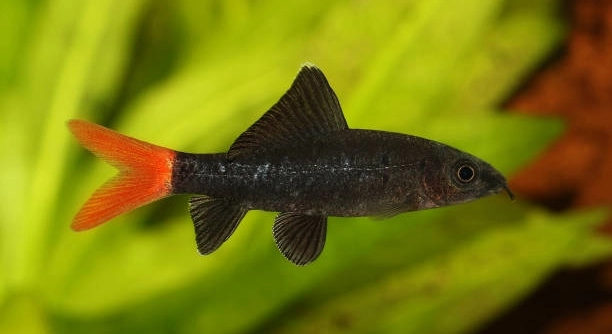
Are your rainbow sharks showing signs of stress or unusual behavior in your aquarium? These vibrant fish need enough space to thrive and feel comfortable in their environment. Knowing when overcrowding happens is important for their well-being.
Overcrowding in rainbow sharks occurs when the tank size is insufficient for their active swimming needs, leading to increased aggression, stress, and poor water quality, which can negatively impact their health and lifespan.
Recognizing the signs of overcrowding early can help you create a healthier space for your fish and keep your aquarium balanced.
Signs of Increased Aggression
When rainbow sharks feel cramped, their behavior can change noticeably. They may become more aggressive toward other fish, chasing and nipping more often than usual. This aggression can escalate, causing stress not only for the rainbow sharks but for the entire aquarium community. Watching your fish closely during feeding times or when they swim near each other can reveal these tensions. Changes in swimming patterns or hiding more frequently are also common signs. Overcrowding limits the space they need to establish their territories, which leads to competition and conflict.
Aggression in overcrowded tanks is often a direct response to limited space and resources, which can disturb the balance of your aquarium.
Addressing these signs quickly is important. Providing a larger tank or rearranging the environment to create more hiding spots can reduce stress and aggression. By managing space well, you help your rainbow sharks feel secure and less likely to act out, making the tank peaceful again.
Decreased Water Quality
Poor water quality is a common problem when too many fish share a small tank. Waste products like ammonia and nitrates build up faster than the filtration system can handle. This results in cloudy water and toxic conditions that harm the fish’s health. Rainbow sharks are sensitive to these changes and may show signs like labored breathing or loss of color. Keeping track of water parameters is crucial for spotting overcrowding effects early.
When a tank becomes overcrowded, frequent water changes and proper filtration become essential. Without these, fish health declines quickly, leading to illness and death.
Regular testing of ammonia, nitrite, and nitrate levels helps maintain a safe environment. If levels rise, it is often a sign that the tank is too full. Adjusting the number of fish or upgrading filtration can restore water quality. Clean water supports the immune system of rainbow sharks, helping them resist infections and live longer, happier lives.
Fish Hiding More Often
When rainbow sharks are overcrowded, they tend to hide more than usual. Limited space and constant presence of other fish can make them feel unsafe. Hiding becomes a way to avoid stress and aggression from tank mates.
Hiding behavior is a strong indicator of stress caused by overcrowding. Rainbow sharks naturally like some shelter, but excessive hiding suggests they don’t feel comfortable swimming openly. Overcrowded tanks leave little room for resting spots, making it difficult for them to establish a proper territory. This can lead to increased anxiety and reduced activity.
Providing enough space and creating more hiding places can help reduce this behavior. Rearranging decorations or adding plants gives rainbow sharks areas where they feel protected. When fish feel secure, they spend more time swimming and interacting, which shows they are healthier and less stressed.
Stunted Growth and Poor Health
Overcrowding limits the nutrients and oxygen available to each fish. Rainbow sharks in crowded tanks often grow slower and appear smaller than those in spacious environments. Poor growth is usually a sign that the fish are not getting what they need to thrive.
Fish under stress from cramped conditions can develop health problems such as weakened immune systems and skin infections. Poor water quality, which worsens in overcrowded tanks, makes it harder for fish to recover from illness. Stunted growth and disease often go hand in hand in such situations.
Regularly monitoring your rainbow sharks’ size and health can help you catch these issues early. If you notice your fish looking smaller or less active, it might be time to reconsider your tank’s population. A larger tank or fewer fish can give your rainbow sharks the space and resources they need to grow strong and stay healthy.
Increased Fin Damage
Fin damage often appears when rainbow sharks live in crowded tanks. Fighting and bumping into each other cause tears and frayed edges on their fins. This is a clear sign that they don’t have enough room to swim peacefully.
Damaged fins can lead to infections if left untreated. Overcrowding raises stress levels, making fish more vulnerable to disease and slower to heal. Maintaining enough space helps reduce aggression and fin injuries.
Erratic Swimming Patterns
Rainbow sharks in overcrowded tanks may swim in unusual ways, such as darting suddenly or swimming near the surface. This behavior often shows they are stressed or uncomfortable in their environment. It is a reaction to the lack of space and constant disturbances.
Loss of Appetite
A noticeable drop in appetite can be a sign of overcrowding. When stressed, rainbow sharks may stop eating or eat less, which affects their overall health and growth.
FAQ
How many rainbow sharks can I keep in one tank?
A good rule of thumb is to keep only one rainbow shark per 30 to 40 gallons of water. These fish are territorial and need plenty of space to swim. Overcrowding leads to stress and aggression, so giving each fish enough room helps keep them healthy and calm.
What size tank is best for a rainbow shark?
A minimum tank size of 55 gallons is recommended for a single rainbow shark. If you plan to keep more than one, you’ll need a much larger tank or separate tanks. Bigger tanks allow the fish to establish territories without constant conflicts.
Can I keep rainbow sharks with other fish?
Yes, but choose tank mates carefully. Avoid small, slow, or very peaceful fish because rainbow sharks can be territorial and may chase or nip them. Good tank mates include larger, fast-swimming fish that can handle themselves and share similar water requirements.
What are the common signs of stress in rainbow sharks?
Signs of stress include hiding frequently, loss of appetite, erratic swimming, faded colors, and damaged fins. Stress often results from overcrowding, poor water quality, or aggression from other fish. Watching your fish daily helps catch these signs early.
How often should I clean the tank if I have rainbow sharks?
Regular maintenance is important. Perform partial water changes of 20-25% every week or two to keep water quality high. Overcrowded tanks require more frequent cleaning because waste builds up faster. Keeping the tank clean reduces stress and illness.
What should I do if my rainbow shark is aggressive?
First, check if the tank is overcrowded or too small. Adding decorations or plants to create hiding spots can reduce aggression. If problems continue, consider increasing tank size or separating aggressive fish. Sometimes rearranging the tank layout helps break up territories.
How can I improve water quality in a crowded tank?
Use a strong filtration system rated for a larger tank than you have. Perform frequent water changes and avoid overfeeding. Testing water regularly for ammonia, nitrites, and nitrates helps you catch problems early. Good water quality keeps fish healthy.
What do I feed rainbow sharks to keep them healthy?
Rainbow sharks are omnivores. A balanced diet includes high-quality flakes or pellets, along with occasional treats like bloodworms, brine shrimp, or vegetables. Feeding small amounts twice a day prevents leftover food from polluting the water.
Is it normal for rainbow sharks to hide a lot?
Some hiding is normal, especially if the tank has places to retreat. But excessive hiding often signals stress, overcrowding, or bullying by other fish. If your fish hide constantly, it’s a sign the environment might need changes.
Can overcrowding cause disease in rainbow sharks?
Yes, overcrowding increases stress and weakens the immune system, making fish more vulnerable to diseases like fin rot or fungal infections. Poor water quality caused by too many fish also spreads bacteria faster. Managing tank population helps prevent illness.
When keeping rainbow sharks in an aquarium, space is one of the most important factors to consider. These fish are active swimmers and need room to move freely without feeling threatened. Overcrowding can cause many problems, from aggressive behavior to poor water quality. It’s important to watch how your fish act and look for signs that the tank might be too crowded. Early action can help avoid serious health issues and stress for your rainbow sharks. Taking care of their space needs is a key step in creating a peaceful and healthy environment.
Managing the number of fish and the size of the tank helps maintain balance in the aquarium. When the tank is crowded, waste builds up quickly, making the water unsafe for your fish. This can lead to illnesses and a weaker immune system. Besides water quality, overcrowding causes stress, which affects the fish’s growth and behavior. Rainbow sharks may hide more, become aggressive, or stop eating. By keeping an eye on these signs, you can make changes like adding decorations for hiding spots or giving your fish a larger home. These simple actions improve their well-being and allow them to live longer.
Ultimately, caring for rainbow sharks means understanding their space needs and paying attention to their behavior. Providing enough room and clean water helps reduce stress and aggression, leading to healthier fish. Overcrowding is a common issue that can be fixed by adjusting tank size, fish numbers, and maintenance routines. With proper care, your rainbow sharks will thrive and bring beauty to your aquarium. Remember, a calm and spacious tank is the best way to support your fish’s health and happiness over time.

Hello,
If you enjoy the content that we create, please consider saying a "Thank You!" by leaving a tip.
Every little bit helps us continue crafting quality advice that supports the health, happiness, and well-being of pets around the world, for pets of all shapes, sizes, and species.
We really appreciate the kindness and support that you show us!