
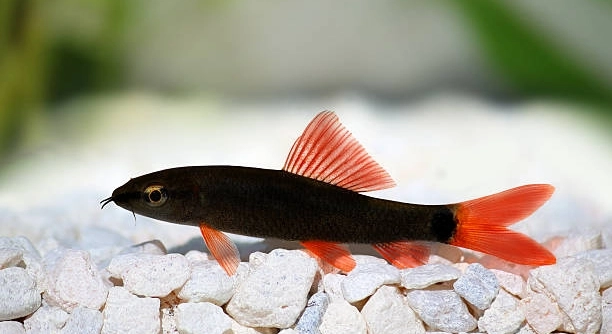
Are your aquarium tanks home to Rainbow Sharks that brighten your underwater world? Many fishkeepers enjoy their unique colors and lively behavior. Adding another Rainbow Shark can seem like a fun way to enhance your tank’s appeal.
Before adding another Rainbow Shark, consider tank size, territorial behavior, hiding spots, water conditions, diet compatibility, existing tank mates, and stress levels. These factors significantly impact the well-being of all fish and the balance of the aquarium environment.
Taking time to understand these points will help create a peaceful and healthy space for your Rainbow Sharks and other aquatic friends.
Tank Size and Space Requirements
Rainbow Sharks need enough room to swim comfortably and establish their territory. A small tank can cause stress and aggression when more than one is added. Ideally, your aquarium should be at least 55 gallons if you plan to keep multiple Rainbow Sharks. This size gives them space to avoid each other and reduces territorial disputes. Without enough space, these fish may become aggressive or hide excessively, which affects their health.
Giving them plenty of space helps maintain peace and allows each fish to thrive. Crowded tanks often lead to fights and injuries. Observing your tank’s dimensions and considering the adult size of Rainbow Sharks is essential before introducing another.
Ensuring a large, well-decorated tank with hiding spots will make adding another Rainbow Shark much safer and more successful. It balances their natural behavior and reduces stress for all tank inhabitants.
Territorial Behavior and Compatibility
Rainbow Sharks are naturally territorial, especially as they mature. They defend their space aggressively, which can cause conflicts if the tank is too small or lacks enough hiding areas. Introducing another Rainbow Shark without considering this can lead to constant chasing and stress.
A peaceful tank requires understanding which fish can live together. Rainbow Sharks do better with non-aggressive species that occupy different areas of the tank. Choosing compatible tank mates and providing plenty of cover helps reduce conflicts and keeps the aquarium balanced.
Hiding Spots and Tank Decoration
Rainbow Sharks need places to hide and feel secure. Without enough shelter, they may become stressed or aggressive toward tank mates.
Providing caves, plants, and decorations gives them safe spaces. This helps reduce territorial fights by breaking lines of sight between fish.
Hiding spots also encourage natural behavior and keep the tank environment more peaceful. When planning your tank, add plenty of cover so each Rainbow Shark can claim its own refuge.
Water Conditions and Maintenance
Maintaining clean water with stable conditions is vital for Rainbow Sharks’ health. They prefer temperatures between 72°F and 79°F and a pH level near neutral, around 6.5 to 7.5. Poor water quality can quickly lead to stress and disease.
Regular water changes and proper filtration keep the environment safe. Testing water parameters often helps catch problems early. A well-maintained tank supports the immune system of your Rainbow Sharks and reduces aggression caused by discomfort.
Avoid sudden changes in water conditions when adding a new fish. Slowly acclimate newcomers to prevent shock. Proper water care ensures both your existing and new Rainbow Sharks thrive peacefully together.
Diet Compatibility
Rainbow Sharks are omnivores and need a balanced diet. Adding another fish means ensuring food meets both their needs without causing competition.
Feeding should include sinking pellets, vegetables, and occasional protein treats. This variety supports their health and reduces stress caused by food shortages.
Existing Tank Mates
Check your current fish before adding another Rainbow Shark. Some species may not tolerate the shark’s territorial behavior well.
Avoid overcrowding and aggressive tank mates that can cause fights. Keeping compatible fish ensures a calmer aquarium environment for everyone.
Stress Levels and Behavior
Stress in Rainbow Sharks can lead to illness and shortened lifespan. Watch for signs like hiding, loss of color, or erratic swimming.
A calm environment with proper space and hiding spots helps reduce stress. Minimizing sudden changes keeps the fish healthy and peaceful.
FAQ
How many Rainbow Sharks can I keep in one tank?
The number depends mainly on your tank size and setup. For a 55-gallon tank, keeping two Rainbow Sharks is usually the limit. More than that often leads to aggression and stress. Larger tanks with plenty of hiding spots may support a few more, but always watch for signs of fighting or stress.
Will Rainbow Sharks fight with each other?
Yes, Rainbow Sharks are territorial and can fight, especially in smaller tanks. They may chase or nip at each other to defend their space. Providing enough room and hiding spots can help reduce aggression but may not eliminate it entirely.
Can Rainbow Sharks live with other fish?
Rainbow Sharks can live with peaceful fish that occupy different areas of the tank, like schooling tetras or bottom dwellers. Avoid aggressive or slow-moving fish that may be harassed. Compatibility depends on species and tank conditions.
What water conditions do Rainbow Sharks need?
They thrive in temperatures between 72°F and 79°F with a pH close to neutral, around 6.5 to 7.5. Stable water parameters and good filtration are essential. Sudden changes can cause stress or illness.
How do I reduce aggression when adding a new Rainbow Shark?
Add the new fish to a large tank with plenty of hiding places. Acclimate it slowly to the water. Rearranging decorations can break up established territories and reduce fights. Monitor closely during the first days for signs of aggression.
What do Rainbow Sharks eat?
Rainbow Sharks are omnivores. Feed them sinking pellets, flakes, vegetables like zucchini or spinach, and occasional protein treats such as bloodworms. A varied diet keeps them healthy and active.
How do I know if my Rainbow Shark is stressed?
Signs of stress include hiding more than usual, loss of color, lack of appetite, and erratic swimming. Stress often results from overcrowding, poor water quality, or aggression from tank mates.
Is it necessary to have hiding spots in the tank?
Yes, hiding spots are important for Rainbow Sharks to feel safe. They help reduce stress and aggression by giving fish places to retreat. Use caves, plants, and decorations to create plenty of shelter.
Can Rainbow Sharks tolerate changes in water parameters?
Rainbow Sharks prefer stable water conditions. Sudden changes in temperature, pH, or hardness can cause shock and health problems. Always make gradual adjustments and acclimate new fish carefully.
How often should I clean the tank when keeping Rainbow Sharks?
Regular maintenance is key. Perform weekly partial water changes of 20-30% and clean filters as needed. Keeping water clean prevents diseases and reduces stress in Rainbow Sharks and other fish.
What tank size is recommended for multiple Rainbow Sharks?
A minimum of 55 gallons is suggested for two Rainbow Sharks. Bigger tanks allow for more space and territory, reducing aggression. Overcrowding leads to fights and health issues.
Do Rainbow Sharks need special lighting or plants?
They do well with moderate lighting and live or artificial plants. Plants offer hiding spots and improve water quality. Avoid overly bright lights, which may stress the fish.
How can I tell the difference between male and female Rainbow Sharks?
It is difficult to sex Rainbow Sharks visually, especially when young. Males tend to be slimmer, while females appear rounder when full of eggs, but these differences are subtle and unreliable.
Are Rainbow Sharks aggressive toward other bottom dwellers?
They can be territorial with other bottom dwellers but may coexist peacefully if the tank is large and well-structured. Watch closely for bullying or chasing, and separate fish if necessary.
Can I keep Rainbow Sharks in a community tank?
Yes, if the tank is large enough and the other fish are peaceful and fast swimmers. Avoid small, slow, or aggressive species that may trigger fights or stress.
What should I do if my Rainbow Sharks are fighting?
Increase hiding spots and rearrange tank decorations to break up territories. Consider separating the fish if aggression continues. Make sure the tank is large enough and water conditions are optimal.
How long do Rainbow Sharks typically live?
With proper care, Rainbow Sharks can live 5 to 8 years in captivity. Good water quality, a balanced diet, and a peaceful environment contribute to a longer life.
Are Rainbow Sharks sensitive to diseases?
They are moderately hardy but can be prone to common freshwater fish diseases if stressed or kept in poor water conditions. Regular tank maintenance and quarantine of new fish help prevent outbreaks.
Can I breed Rainbow Sharks in a home aquarium?
Breeding Rainbow Sharks at home is very difficult. They require specific conditions and often become aggressive during breeding. Most hobbyists buy them from breeders rather than breeding themselves.
What is the best way to introduce a new Rainbow Shark?
Use a slow acclimation process by floating the bag in the tank water, gradually mixing tank water inside over an hour. This reduces shock from temperature and water chemistry differences. Then, place the fish carefully in the tank.
Are Rainbow Sharks good for beginner fishkeepers?
They are moderately easy to care for but require attention to tank size, water quality, and tank mates. Beginners should research their needs and ensure proper setup before adding Rainbow Sharks to their aquarium.
Adding another Rainbow Shark to your aquarium is a decision that requires careful thought and planning. These fish are beautiful and active, but they also have strong territorial instincts. Without enough space or hiding spots, adding more than one can cause stress and aggression. Paying attention to your tank size and setup is important for keeping the peace among your fish. A well-planned environment helps your Rainbow Sharks live healthier and more comfortable lives.
Water quality is another key factor to consider before adding another Rainbow Shark. These fish need stable and clean water to stay healthy. Temperature, pH, and filtration should all be monitored regularly. Sudden changes in water conditions can cause stress or illness, especially when introducing a new fish. Keeping the tank clean and well-maintained benefits not only Rainbow Sharks but all other fish in the aquarium. A healthy tank environment helps reduce conflicts and supports the overall well-being of your aquatic pets.
Finally, think about your current tank mates and how they might react to another Rainbow Shark. Some fish can coexist peacefully, while others might trigger fights or stress. It is helpful to provide enough hiding places and break up territories with plants and decorations. Feeding your fish a varied diet also helps reduce competition. Taking these factors into account will give your Rainbow Sharks the best chance to thrive together in a balanced and peaceful aquarium. By planning carefully, you can enjoy watching these colorful fish live happily side by side.

Hello,
If you enjoy the content that we create, please consider saying a "Thank You!" by leaving a tip.
Every little bit helps us continue crafting quality advice that supports the health, happiness, and well-being of pets around the world, for pets of all shapes, sizes, and species.
We really appreciate the kindness and support that you show us!