
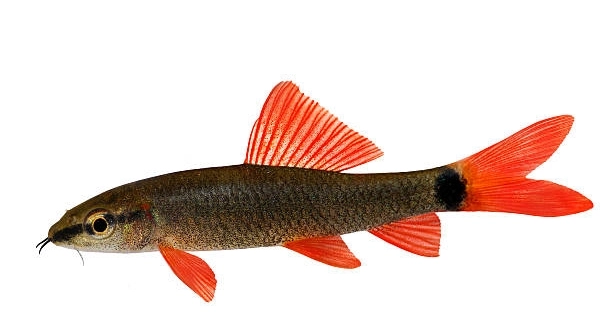
Is your rainbow shark tank looking a bit cloudy or harder to maintain than you expected? You’re not alone—keeping things clean can take a little more effort than it seems at first.
The most effective way to keep your rainbow shark tank clean and clear is by combining regular water changes, proper filtration, and consistent tank maintenance. These steps help prevent algae buildup, control waste, and support healthy water parameters.
Maintaining a clean tank helps your rainbow shark thrive and keeps your aquarium looking its best day after day.
Tip 1: Change the Water Regularly
Changing the water in your rainbow shark tank is one of the most important things you can do. It helps remove waste, leftover food, and other unwanted particles. A partial water change every week keeps the tank looking clean and helps your fish stay healthy. Try replacing 20–30% of the tank water weekly using a siphon or gravel vacuum. Make sure the new water is treated to remove chlorine or other chemicals before adding it in. If you skip water changes too often, ammonia and nitrate levels can rise quickly. This puts stress on your rainbow shark and may cause health issues. Stick to a routine, even if the tank looks fine. Clean water isn’t always clear water—some problems can’t be seen right away. A consistent schedule makes maintenance easier over time and keeps your tank balanced. Clean water supports a healthy habitat and helps prevent algae and odor buildup.
Even a quick change each week can make a big difference in how your tank looks and smells.
If your rainbow shark tank is cloudy or smells off, chances are high that waste is building up in the water. Changing a portion of it weekly helps stop this problem before it starts. It doesn’t take long, and it’s a simple habit to build. Try to use a container that’s set aside just for your tank water, and always match the new water to the tank’s temperature. This keeps your fish from getting shocked or stressed. Over time, you’ll probably notice fewer problems and clearer water. A clean tank also means less work in the long run, since you won’t have to deep clean it as often. And your rainbow shark will be happier in a healthier environment, showing more active behavior and brighter color.
Tip 2: Don’t Overfeed
Too much food leads to waste, cloudy water, and extra cleaning. Feed your rainbow shark just enough to finish in under two minutes.
Uneaten food is one of the biggest causes of dirty tanks. Rainbow sharks don’t need large amounts of food. Once or twice a day is enough, and only feed what they can finish quickly. Leftover food sinks, breaks down, and releases harmful substances into the water. This adds to the waste your filter needs to handle. You’ll also start seeing cloudy water or algae if feeding isn’t managed well. Try using pellets or wafers that sink slowly and can be eaten easily. If your shark doesn’t eat it all, scoop out the leftovers right away. It helps to feed at the same time daily, so you can watch and see exactly how much is being eaten. Keeping a consistent feeding schedule keeps your tank cleaner and reduces the chances of poor water quality.
Tip 3: Use a Reliable Filter
A good filter removes waste and keeps the water circulating. Choose one that matches your tank size and supports both mechanical and biological filtration. Clean the filter parts monthly so they continue working properly without getting clogged or blocked.
Filters help trap debris and also support healthy bacteria that break down harmful waste. Rainbow sharks need clean, stable water, and a filter helps maintain that. If your filter is too weak, waste can build up quickly. A filter that’s too strong may stress your shark. Try to find one that’s quiet and gentle but still effective. Check it weekly to make sure it’s running smoothly. Look out for slow water flow, which may mean the sponge or cartridge is dirty. Wash the parts in old tank water, not tap water, to protect the good bacteria. A working filter makes a big difference in keeping your tank clean and stress-free.
Having a proper filter also reduces how often you need to clean the tank by hand. With good filtration, the water stays clearer longer, and odors are less likely to form. It also helps prevent sudden changes in ammonia and nitrate levels, which can make fish sick. If your rainbow shark starts hiding more than usual or stops eating, poor water conditions may be the reason. A working filter is one of the easiest ways to avoid this. Remember that filters don’t last forever—replace worn parts as needed. Choose a brand with easy-to-find replacement parts so maintenance stays simple. Filters aren’t just extra equipment—they’re essential for a clean, healthy tank.
Tip 4: Vacuum the Gravel
Gravel can collect waste, uneaten food, and algae. A gravel vacuum helps remove this buildup during your weekly water changes. It keeps the bottom of your tank clean and prevents toxins from settling there over time.
Even if the water looks clear, the gravel might still hold hidden waste. Food and debris fall to the bottom and begin to break down. This can release harmful substances into the water if not cleaned regularly. A gravel vacuum makes it easy to clean the substrate while removing water. Use it once a week or every other week, depending on your tank’s needs. Move slowly through the gravel to avoid stirring up too much dirt all at once. Focus on areas where your shark likes to rest or hide. These spots often collect more waste. Keeping the gravel clean helps reduce ammonia spikes and lowers the chance of algae forming on the tank walls.
Vacuuming the gravel is also a good time to check on your tank’s overall condition. You might notice changes in waste levels, leftover food, or even spot things you missed during daily checks. Make sure to unplug electrical equipment like heaters or filters before using a vacuum to avoid any issues. Don’t clean all of the gravel at once, especially in newer tanks—leave some sections untouched to keep the good bacteria alive. A small section each time is enough. It may feel like an extra chore, but this step really helps prevent cloudy water and makes your tank easier to maintain over time.
Tip 5: Keep Algae Under Control
Algae can grow quickly in tanks with too much light or waste. Limit how long your tank light stays on—6 to 8 hours a day is usually enough. Scrub the glass weekly to remove any buildup you see.
Algae-eating tank mates, like snails or certain fish, can also help manage small outbreaks. Just make sure they are compatible with your rainbow shark. Avoid using chemicals unless absolutely necessary, as they can harm your fish and plants. Regular cleaning and balanced lighting are usually enough to keep algae from taking over.
Tip 6: Monitor Water Parameters
Rainbow sharks need stable water conditions to stay healthy. Use a test kit once a week to check levels like ammonia, nitrite, nitrate, and pH. Ideal pH should stay between 6.5 and 7.5. Ammonia and nitrite should always be at zero. Nitrate should stay under 40 ppm. Sudden changes in these levels can stress your fish and lead to illness. If levels are off, a water change is the first step to fix it. Keeping notes of your results helps track changes over time and can alert you to early problems before they get worse.
Tip 7: Avoid Overcrowding
Too many fish in one tank causes stress, waste buildup, and dirty water. Rainbow sharks also need their own space since they can become territorial. Keep the tank lightly stocked for easier maintenance and better water quality.
How often should I clean my rainbow shark tank?
Cleaning frequency depends on your tank size and stocking level, but generally, a partial water change and light cleaning once a week is ideal. This keeps waste and toxins low, helping your rainbow shark stay healthy. Some parts, like the filter, need monthly attention.
What is the best type of filter for a rainbow shark tank?
A filter that provides both mechanical and biological filtration works best. Canister filters, hang-on-back filters, and sponge filters are all good options depending on your tank size. The filter should handle at least 4 times the tank’s volume per hour to keep water clean.
Why does my tank water get cloudy even after cleaning?
Cloudy water can be caused by bacteria blooms, leftover food, or disturbed substrate. Make sure you’re not overfeeding and vacuum the gravel properly. New tanks may also cloud due to cycling. Patience and proper filtration usually clear it up.
Can I use tap water for water changes?
Tap water can contain chlorine or chloramine, which harm fish. Always treat tap water with a water conditioner before adding it to the tank. Test your tap water’s parameters too, as hard or very soft water may require adjustments.
How much should I feed my rainbow shark?
Feed only what your rainbow shark can eat in 2 minutes, once or twice daily. Overfeeding leads to waste buildup and water problems. Pellets, wafers, and occasional live or frozen foods work well. Remove uneaten food promptly.
Is it necessary to add algae eaters with rainbow sharks?
Algae eaters can help control algae but are not required. Choose species that are peaceful and compatible with rainbow sharks, such as certain snails or otocinclus catfish. Avoid overcrowding the tank.
What water temperature is best for rainbow sharks?
Rainbow sharks do well in water between 74°F and 80°F (23°C–27°C). Keep the temperature stable to avoid stressing your fish. Use a heater with a thermostat and monitor the temperature regularly.
How can I prevent algae buildup?
Control lighting by limiting it to 6-8 hours daily. Avoid overfeeding and keep up with regular cleaning. Use algae scrapers on tank glass and consider adding algae-eating species if needed. Balancing nutrients and light is key.
What signs show my rainbow shark is stressed?
Signs include hiding more than usual, loss of appetite, faded colors, or unusual swimming patterns. Poor water quality is often the cause. Check water parameters and clean the tank if needed.
Can I keep rainbow sharks with other fish?
Yes, but choose tank mates carefully. Rainbow sharks can be territorial, especially in small tanks. Avoid small, slow-moving fish and keep the tank large enough to provide space. Peaceful, medium-sized fish usually work best.
How do I handle a sudden ammonia spike?
Do an immediate partial water change (25-50%) to reduce ammonia levels. Check your filter and clean it if needed, but don’t use tap water for cleaning as it kills beneficial bacteria. Adding beneficial bacteria supplements can help stabilize the tank.
What should I do if my rainbow shark stops eating?
Loss of appetite may signal stress or illness. Check water quality, temperature, and tank conditions first. Reduce feeding temporarily and offer varied food types. If the problem continues, consult an aquatic vet or specialist.
Is it okay to clean the filter with tap water?
No, tap water contains chlorine that kills beneficial bacteria in the filter. Use tank water to rinse filter media gently to preserve these helpful bacteria and keep your tank balanced.
How do I cycle a new tank for rainbow sharks?
Start by adding an ammonia source to build beneficial bacteria that break down waste. Test water regularly and wait until ammonia and nitrite levels drop to zero before adding fish. This process can take 4-6 weeks but prevents toxic buildup.
What’s the best way to acclimate a new rainbow shark?
Float the sealed bag in the tank for 15-20 minutes to equalize temperature. Slowly add small amounts of tank water into the bag over an hour before releasing the fish. This reduces shock from new water conditions.
Keeping your rainbow shark tank clean and clear is essential for the health and happiness of your fish. It takes some regular effort, but following simple steps can make a big difference. Water changes, proper filtration, and careful feeding are the foundation of good tank care. These basic habits help prevent many common problems before they start. Over time, maintaining your tank becomes easier, and you will notice your rainbow shark looking healthier and more active. A clean tank also means less stress for the fish, which supports their natural behavior and vibrant colors.
Besides the routine cleaning and maintenance, paying attention to water quality is very important. Testing the water regularly helps catch any issues early, such as rising ammonia or nitrate levels. These can harm your fish if left unchecked. Using the right equipment, like a good filter and a reliable test kit, supports a stable environment. Keeping algae under control and vacuuming the gravel also prevent buildup that can cloud the water or cause health problems. All these small actions combined create a balanced tank that feels like a natural home for your rainbow shark.
Finally, patience is key when caring for your tank. Not every problem can be fixed immediately, and some things take time to improve. Keeping a regular schedule and observing your fish closely will help you understand their needs better. Avoid overcrowding and don’t overfeed, as these are common reasons tanks become difficult to maintain. When your tank is clean and stable, your rainbow shark will thrive and bring a calm, beautiful presence to your home. Consistent care benefits both you and your fish, making the aquarium experience more enjoyable for everyone.

Hello,
If you enjoy the content that we create, please consider saying a "Thank You!" by leaving a tip.
Every little bit helps us continue crafting quality advice that supports the health, happiness, and well-being of pets around the world, for pets of all shapes, sizes, and species.
We really appreciate the kindness and support that you show us!