
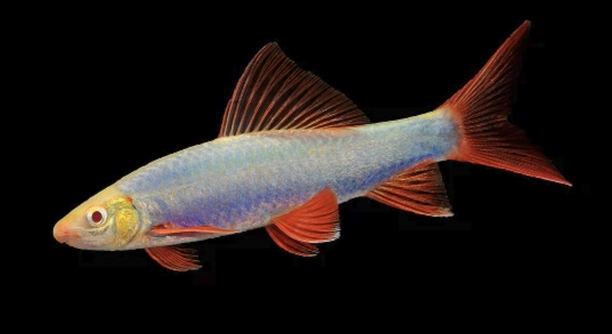
Many people enjoy keeping rainbow sharks as colorful additions to their aquariums. Over time, these fish age and show certain changes that can affect their health and behavior. Recognizing these signs helps owners care for their pets better.
Rainbow sharks show signs of aging through slower swimming, duller colors, reduced appetite, and more frequent resting. Their fins may appear frayed, and they can become less active or show signs of illness more easily as they get older.
Knowing these signs will help you provide the best care for your rainbow shark as it grows older and ensure it remains healthy and comfortable in your tank.
Slower Swimming and Reduced Activity
As rainbow sharks grow older, one of the first noticeable changes is their swimming speed. You might find that your fish doesn’t dart around the tank like before. Instead, it moves more slowly and spends more time resting on the bottom or near decorations. This slowdown is normal but can be a sign that your fish is aging and its energy levels are decreasing. Reduced activity might also make it harder for your rainbow shark to compete for food with other tank mates. Observing this change early allows you to adjust feeding habits and tank conditions to support your fish better.
Older rainbow sharks will often rest more and swim less, signaling a natural decline in energy and activity due to aging.
It helps to create a calm environment with fewer aggressive fish and to offer food near resting spots. Monitoring their behavior closely can also alert you to health issues that sometimes come with old age. Adjustments in tank care can make a big difference in keeping your rainbow shark comfortable during this stage.
Color Fading and Fin Damage
Color fading is common in older rainbow sharks. The bright reds and blacks may appear dull or washed out. This happens because their pigment cells slow down as they age. In addition, the edges of their fins might become frayed or torn, often from years of swimming or minor tank bumps. These changes don’t always mean the fish is sick but are good signs to watch for. Keeping the tank clean and free of sharp objects can prevent further damage and stress, helping your fish maintain its appearance and health as it ages.
Appetite Changes
Older rainbow sharks often eat less than they used to. Their reduced appetite can be a sign of aging or underlying health issues.
It’s important to monitor their eating habits closely. Sometimes, older fish may lose interest in certain foods or need softer, easier-to-digest options. Providing a varied diet with quality flakes, pellets, and occasional treats like bloodworms can encourage eating.
If you notice your rainbow shark refusing food for several days, it might be a sign of illness. In this case, checking water quality and consulting with an expert is wise. Feeding smaller amounts more frequently can also help stimulate appetite in aging fish.
Changes in Behavior
Rainbow sharks may become more reclusive or less interactive as they get older. This shift is often a result of declining energy or discomfort.
They might avoid bright lights and hide more often than usual. Sometimes, older fish stop competing aggressively for territory or food, showing signs of submission. These changes can be subtle but are important to notice. Adjusting tank setup to include more hiding places and reducing stress from other fish can improve their comfort.
Older rainbow sharks benefit from a peaceful environment with gentle tank mates. Watching their behavior regularly helps catch any sudden health problems early.
Increased Resting Periods
As rainbow sharks age, they tend to rest more throughout the day. This is a natural part of their slowing metabolism and reduced energy levels.
Longer resting times often mean they are conserving energy. It’s important to provide soft, comfortable areas in the tank for them to relax without stress.
Signs of Illness
Older rainbow sharks are more prone to infections and diseases due to weakened immune systems. Watch for white spots, swelling, or unusual marks on their body and fins. Early detection and treatment are key to preventing serious health problems.
Regular water changes and proper tank maintenance help reduce risks. If symptoms appear, isolating the fish and consulting with a vet or aquarium specialist is advised.
Reduced Social Interaction
Older rainbow sharks may become less interested in interacting with other fish. This change is typical as their energy and alertness decline with age.
How long do rainbow sharks usually live?
Rainbow sharks typically live around 5 to 8 years in a well-maintained aquarium. Some can live longer with excellent care, but aging signs usually start appearing after about 4 to 5 years. Proper diet, clean water, and a stress-free environment contribute greatly to their lifespan.
What causes a rainbow shark to swim slower as it ages?
The slower swimming is mainly due to natural aging and decreased energy levels. As their metabolism slows down, older rainbow sharks don’t have the same stamina. Additionally, health problems or weakened muscles from age may also reduce their swimming speed.
Why does my rainbow shark’s color fade over time?
Color fading happens because pigment cells become less active as the fish gets older. Environmental factors like poor water quality or stress can make the fading worse. Maintaining clean water and reducing stress helps preserve their colors longer.
Is fin damage normal in older rainbow sharks?
Yes, fin damage is common in aging rainbow sharks. Over time, fins can become frayed or torn from minor tank bumps, swimming against objects, or natural wear and tear. Keeping the tank free of sharp decorations and monitoring water conditions reduces further damage.
What should I do if my rainbow shark eats less?
If your fish’s appetite drops, try offering softer or more varied foods, such as frozen bloodworms or sinking pellets. Feeding smaller amounts more frequently can also help. If reduced appetite lasts several days, check water quality and consult an expert for possible illness.
How can I tell if my rainbow shark is sick?
Look for white spots, redness, swelling, torn fins, or unusual behavior like excessive hiding or lethargy. These signs often indicate infection or other health issues. Prompt treatment and improved tank conditions can prevent worsening symptoms.
Can older rainbow sharks live with other fish?
Older rainbow sharks can live peacefully with calm, non-aggressive tank mates. However, they might become less active and avoid conflict. Provide plenty of hiding spaces and avoid overcrowding to reduce stress and support their comfort.
Why does my rainbow shark hide more now?
Increased hiding is typical as they age. Older fish often seek shelter to avoid stress and conserve energy. Adding more plants, caves, or decorations helps provide safe spots, improving their wellbeing and reducing anxiety.
How often should I change the water for an aging rainbow shark?
Regular water changes are important—about 20-30% every week or two. Clean water supports immune health and reduces disease risk. For older fish, maintaining excellent water quality is especially critical to keep them healthy.
Is it necessary to adjust tank temperature for older rainbow sharks?
Keeping the temperature stable between 74-79°F is best. Avoid sudden changes or extremes, as older fish are more sensitive. A steady temperature helps reduce stress and supports their immune system.
What are common illnesses in aging rainbow sharks?
Older rainbow sharks may develop fin rot, ich (white spot disease), and bacterial infections due to weakened immune systems. Preventing illness relies on clean water, good nutrition, and minimizing stress.
Can supplements help older rainbow sharks?
Certain supplements like vitamins and minerals can support fish health, but they should be used carefully. Over-supplementing can cause harm. Consult with an aquarium specialist before adding supplements to the diet.
How do I make my rainbow shark’s tank more comfortable as it ages?
Add soft hiding places and reduce tank noise or light intensity. Avoid aggressive fish and overcrowding. Keep water clean and stable to create a calm environment that meets the needs of an aging rainbow shark.
Should I separate my old rainbow shark from other fish?
Separation is only needed if your older fish is weak or bullied. Otherwise, peaceful tank mates and enough space often allow older rainbow sharks to coexist happily. Monitor interactions and intervene if stress signs appear.
When should I consult a vet about my aging rainbow shark?
Seek professional advice if your fish shows signs of illness, refuses food for several days, or has visible injuries. Early diagnosis and treatment improve chances of recovery and quality of life.
Caring for a rainbow shark as it gets older takes some attention and understanding. These fish change in many ways, from how active they are to the colors they show. Noticing these changes early helps you provide better care and keep your fish comfortable. Older rainbow sharks may slow down, eat less, or rest more, which are normal signs of aging. However, they also need a clean and peaceful environment to stay healthy. Keeping their tank well-maintained, with clean water and safe hiding spots, makes a big difference in how well they age.
It’s important to watch for signs that might mean your rainbow shark is not feeling well. Changes in behavior, such as hiding more or refusing food, can show health problems that need attention. Fin damage or fading colors can also be signs of stress or illness, so regular checks on your fish’s condition are helpful. If you notice anything unusual, taking action quickly is key. Sometimes a simple change in water quality or diet helps, but at other times, you might need advice from a vet or aquarium specialist. Being patient and gentle with your fish during this time is also important.
As your rainbow shark ages, adapting your care routine to meet its needs can improve its quality of life. Offering softer foods, reducing stress by choosing peaceful tank mates, and providing calm spaces for resting can all help. Remember that aging is natural and caring for your fish with kindness will make the process easier for both of you. Paying attention to the small signs and making adjustments will support your rainbow shark through its older years, allowing it to live comfortably and with dignity in your aquarium.

Hello,
If you enjoy the content that we create, please consider saying a "Thank You!" by leaving a tip.
Every little bit helps us continue crafting quality advice that supports the health, happiness, and well-being of pets around the world, for pets of all shapes, sizes, and species.
We really appreciate the kindness and support that you show us!