
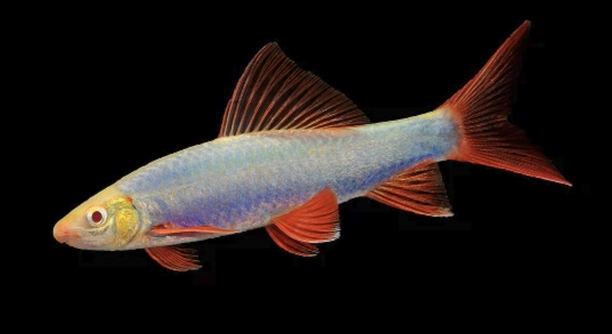
Is your rainbow shark showing signs of aggression in your aquarium? This behavior can be frustrating and worrying for fish owners. Understanding why your fish acts this way is important to maintain a peaceful tank environment.
Aggression in rainbow sharks often results from territorial disputes, overcrowding, poor water quality, or lack of hiding spaces. Addressing these factors by improving tank conditions and managing fish compatibility can reduce aggressive behavior and promote harmony in the aquarium.
Identifying the cause behind your fish’s behavior will help you create a calmer home for your rainbow shark. The following tips offer practical solutions to manage and prevent aggression effectively.
Understanding Territorial Behavior
Rainbow sharks are naturally territorial fish. They claim certain areas of the tank as their own and defend them against other fish. This behavior can become aggressive, especially if the tank is too small or overcrowded. When space is limited, your rainbow shark may feel threatened and act out to protect its territory. Providing plenty of hiding spots and visual barriers helps reduce stress and aggression. Decorations like plants, rocks, or driftwood create separate zones in the aquarium, giving your fish places to retreat. This setup mimics their natural habitat, encouraging calmer behavior. Maintaining a tank of at least 30 gallons also gives your rainbow shark enough room to establish its territory without feeling cramped. Paying attention to tank size and environment can go a long way in calming your fish and preventing fights.
Proper tank size and decoration are essential for reducing territorial aggression in rainbow sharks.
By improving the tank layout and ensuring enough space, you create a comfortable environment. This reduces the chances of your rainbow shark feeling the need to defend its territory. It’s also important to monitor how your fish interacts with tank mates. Avoid placing other aggressive or similar species nearby. A peaceful community helps your rainbow shark feel secure and less likely to act aggressively. Regularly checking water quality and keeping the tank clean supports your fish’s overall health, further lowering stress levels. Simple changes in the tank can make a big difference in your rainbow shark’s behavior.
Managing Tank Mates
Choosing compatible tank mates is crucial to minimize aggression in rainbow sharks. Avoid overcrowding the aquarium as this increases competition for space and resources. Rainbow sharks tend to be more aggressive when stressed by incompatible fish or limited hiding places. Opt for peaceful species that occupy different areas of the tank to reduce conflict. Keep an eye on how your fish interact and separate aggressive individuals if needed.
Aggressive behavior often arises from stress caused by poor tank mate choices. Selecting calm and non-competitive fish will help maintain a peaceful environment. It is important to research species compatibility before introducing new fish to your aquarium. Proper tank management supports healthy social behavior and reduces the likelihood of fights or injuries. Consistent observation allows you to intervene early if aggression begins. Maintaining a balanced community helps your rainbow shark coexist comfortably with other fish.
Improving Water Quality
Poor water quality can cause stress, leading to aggression in rainbow sharks. Regular water changes and testing are essential to keep parameters stable.
Keeping ammonia, nitrite, and nitrate levels low helps your fish stay healthy and calm. Use a reliable test kit to monitor these regularly. Proper filtration and avoiding overfeeding prevent waste buildup, which can deteriorate water quality. Stress from dirty water makes rainbow sharks more likely to act aggressively, so keeping the tank clean supports peaceful behavior. Additionally, maintaining the right temperature and pH level contributes to a stable environment. Consistent care with water quality directly improves your fish’s mood and reduces aggressive tendencies.
Good water conditions also help your rainbow shark recover from any injuries caused by fights. Clean water reduces the risk of infections and promotes healing. Avoid sudden changes in water parameters, as these can stress your fish further. Patience and routine maintenance are key to long-term success in managing aggression linked to water quality.
Providing Enough Hiding Places
Rainbow sharks need hiding spots to feel secure. Without enough places to retreat, they may become stressed and aggressive. Adding caves, plants, and decorations offers shelter and reduces tension in the tank. These areas give your fish control over their space and prevent constant confrontations.
Hiding places also allow rainbow sharks to rest and avoid direct eye contact with other fish, which often triggers aggression. Arrange decorations to create natural barriers and private zones. This setup lowers stress and helps balance social dynamics in the aquarium. Well-planned hiding spots improve your fish’s comfort and contribute to a calmer environment overall.
When your fish have secure places to hide, they are less likely to display dominance or attack other tank mates. Consider adding both tall plants and low caves to provide options at different levels. This variety supports natural behaviors and keeps aggression in check.
Avoid Overfeeding
Overfeeding can cause aggression by increasing waste and lowering water quality. Feed your rainbow shark small amounts once or twice a day to maintain balance.
Excess food leads to poor water conditions, stressing your fish and making them more likely to act aggressively. Controlled feeding helps keep the tank clean and your fish healthy.
Adjust Lighting Conditions
Bright or constant lighting can stress rainbow sharks, contributing to aggressive behavior. Use a lighting schedule that mimics natural day and night cycles. Dim or lower light levels encourage calmer fish and reduce stress, promoting a peaceful tank environment.
Monitor Health Closely
Illness or injury can cause your rainbow shark to behave aggressively. Regularly check your fish for signs of disease or physical damage. Prompt treatment prevents worsening conditions that increase stress and aggression. Maintaining good health supports a stable temperament in your fish.
FAQ
Why is my rainbow shark attacking other fish suddenly?
Sudden aggression often happens due to changes in the tank environment or stress factors. These include overcrowding, poor water quality, or introducing new fish. Your rainbow shark might also be establishing its territory or reacting to a lack of hiding places. Checking water parameters and tank setup can help identify the cause and reduce aggressive behavior.
How can I tell if my rainbow shark is stressed?
Signs of stress include erratic swimming, hiding more than usual, loss of appetite, and increased aggression. Stress weakens your fish’s immune system and causes behavioral changes. Maintaining clean water, proper tank size, and compatible tank mates reduces stress and helps your fish stay calm.
Can overcrowding cause aggression in rainbow sharks?
Yes, overcrowding increases competition for space and resources, which makes rainbow sharks more aggressive. They need enough room to establish territories. Overcrowding can also reduce water quality, adding stress. A tank size of at least 30 gallons is recommended for one rainbow shark.
Are rainbow sharks aggressive by nature?
Rainbow sharks are semi-aggressive, especially toward their own kind and similar species. They defend their territory but usually ignore peaceful fish. Proper tank conditions and choosing compatible tank mates keep their aggression in check.
How often should I clean the tank to prevent aggression?
Regular water changes of 20-30% weekly help keep ammonia and nitrite levels low. Cleaning the substrate and filter media prevents waste buildup. Good water quality reduces stress and aggressive behavior in rainbow sharks.
What tank mates are best for a rainbow shark?
Peaceful, bottom-dwelling or mid-level swimming fish that don’t compete for territory work best. Avoid other rainbow sharks or similar-looking species, as they tend to fight. Examples include Corydoras catfish, tetras, and danios.
Is it normal for rainbow sharks to chase other fish?
Some chasing is normal during territory defense, but frequent or violent chasing signals stress or overcrowding. Providing hiding places and checking tank conditions can reduce chasing.
Can poor diet increase aggression in rainbow sharks?
Yes, an unbalanced diet causes stress and weakens your fish. Feeding high-quality flakes, pellets, and occasional live or frozen foods supports health and reduces aggressive tendencies.
How important is tank decoration for preventing aggression?
Very important. Decorations create visual barriers and separate territories. Plants, rocks, and caves help rainbow sharks feel secure and reduce confrontations. A well-decorated tank mimics their natural habitat, calming their behavior.
What should I do if my rainbow shark is injured from fights?
Isolate the injured fish in a quarantine tank to allow healing. Maintain clean water and provide a stress-free environment. Treat wounds with aquarium-safe medications if necessary. Prevent future injuries by addressing the causes of aggression in the main tank.
When your rainbow shark acts aggressively, it can feel challenging to manage. Understanding the common reasons behind this behavior is key to creating a calm aquarium environment. Factors such as territorial instincts, overcrowding, poor water quality, and lack of hiding spots all contribute to aggression. By addressing these issues, you can reduce stress for your fish and improve their overall well-being. Simple changes in tank setup and care routines often have a strong positive impact on your rainbow shark’s behavior.
Maintaining good water quality through regular cleaning and testing supports your fish’s health and lowers aggression levels. Providing enough space and selecting compatible tank mates are also essential steps. Decorations and hiding places help your rainbow shark feel secure and less likely to feel threatened. Feeding your fish properly without overfeeding keeps the environment balanced. Monitoring your fish’s health closely allows you to catch and treat problems early, preventing stress-related aggression. Each of these steps works together to promote peace in your tank.
Being patient and consistent with your care routine makes a difference over time. Aggression doesn’t disappear overnight, but with attention to your rainbow shark’s needs, you can create a comfortable home where it can thrive. Remember that every fish is unique, and small adjustments may be necessary. The effort you put into maintaining a balanced environment benefits both your rainbow shark and the entire aquarium community. A well-maintained tank leads to healthier, happier fish and a more enjoyable experience for you as an owner.

Hello,
If you enjoy the content that we create, please consider saying a "Thank You!" by leaving a tip.
Every little bit helps us continue crafting quality advice that supports the health, happiness, and well-being of pets around the world, for pets of all shapes, sizes, and species.
We really appreciate the kindness and support that you show us!