
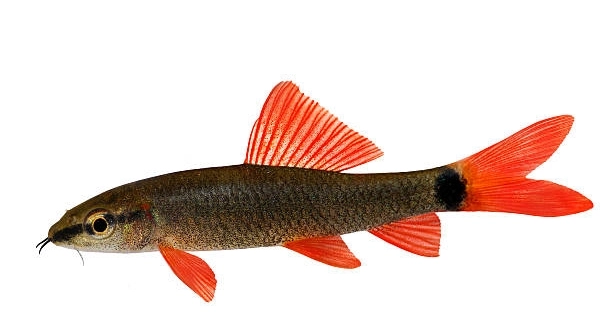
Is your rainbow shark chasing tank mates or claiming too much space, making it hard for other fish to feel safe?
Rainbow sharks show territorial behavior due to their instinct to claim and defend space, especially in smaller tanks. Providing proper tank size, adequate hiding spots, and compatible tank mates can help reduce aggression and promote peaceful coexistence.
These practical tips will help you manage your shark’s behavior and create a more balanced environment for all your aquarium fish.
Give Your Rainbow Shark Enough Space
Rainbow sharks can become aggressive when they feel cramped. A small tank makes them feel threatened, which leads to territorial behavior. They often chase or nip at other fish that come too close to their space. The minimum recommended tank size is 55 gallons for one rainbow shark. This gives them room to swim freely and reduces the chance of them feeling trapped. Larger tanks also provide space for other fish to establish their own areas without constant conflict. Avoid overcrowding, and make sure the tank has open swimming space as well as shaded or quiet areas.
A spacious tank helps reduce stress, which is a major trigger for aggressive behavior. It also gives tank mates a chance to avoid confrontation.
Rainbow sharks naturally claim territory, but a well-sized tank can give them room to do so without bothering others. The more space they have, the calmer they usually become over time.
Add Hiding Spots and Tank Decor
Hiding spots help reduce the visibility of other fish, lowering the chances of your rainbow shark becoming territorial.
Use rocks, caves, driftwood, and plants to create separate spaces within the tank. When fish have defined areas to hide or rest, they interact less with each other, which reduces the chance of aggression. These structures break the line of sight, making it harder for your shark to constantly monitor and chase other fish. Spread the decorations evenly across the tank so the rainbow shark does not claim one side and guard it aggressively. Floating plants can also help provide coverage from above and calm their movement. You want the tank to feel like a natural environment where each fish has a place of its own. Decorations that create tunnels or shaded zones are especially useful because they give smaller fish somewhere to retreat. A thoughtful layout not only improves behavior but also creates a visually interesting tank.
Choose the Right Tank Mates
Pick peaceful fish that won’t challenge your rainbow shark. Avoid species that look similar or stay near the bottom. This reduces conflict and helps keep the tank environment calm and balanced for all the fish.
Rainbow sharks can be aggressive toward other bottom dwellers, especially if they resemble them in size or shape. Avoid fish like red-tailed sharks or other semi-aggressive species. Instead, go for mid- or top-level swimmers like barbs, danios, or rasboras. These fish tend to stay out of the rainbow shark’s territory and are fast enough to avoid confrontation if needed. It’s also important to add tank mates at the same time, if possible. This prevents the rainbow shark from claiming the entire tank as its own before others are introduced. A peaceful tank starts with careful planning, and choosing compatible species is a major part of that.
Tank mate behavior matters just as much as appearance. Avoid slow, timid fish that may become targets, or large aggressive species that may provoke the shark. Schooling fish can do well, especially when kept in groups of six or more. They move together and are less likely to draw the shark’s attention. Also, avoid fish that nip fins or compete for space at the bottom. A good mix creates a stable tank where your rainbow shark feels less threatened. When fish stay in their own zones, aggression naturally decreases, and the aquarium becomes more peaceful.
Feed Them Properly and Consistently
Feeding routines help lower stress and discourage aggressive behavior. A hungry rainbow shark is more likely to lash out. Keep a regular feeding schedule and use sinking food to keep it near their zone.
Feed your rainbow shark once or twice daily with high-quality sinking pellets, algae wafers, and occasional treats like bloodworms or blanched vegetables. Avoid floating flakes—they often stay at the top, encouraging other fish to compete in your shark’s territory. Sinking foods stay near the bottom where rainbow sharks naturally feed. Overfeeding can also lead to aggression, especially if uneaten food clutters the tank. Offer just enough food for them to finish within a couple of minutes. Remove leftovers to keep the tank clean and stable. Feeding at the same times every day creates a predictable rhythm and reduces food competition. A calm, well-fed rainbow shark is less likely to chase others and more likely to remain peaceful.
Avoid Keeping More Than One Rainbow Shark
Rainbow sharks are highly territorial with their own kind. Keeping more than one in the same tank often leads to aggressive chasing, injuries, or even death. Unless you have a very large tank, it’s best to keep only one.
Even in large tanks, rainbow sharks rarely tolerate each other. They naturally compete for space, and adding more only increases stress. A single rainbow shark usually does better alone, allowing it to establish territory without constant conflict.
Monitor Their Behavior Regularly
Watch for changes in swimming patterns, hiding, or signs of aggression like fin nipping or chasing. These early signals help you act before problems grow.
Behavioral changes can mean stress or illness, but also shifts in tank dynamics. Keep an eye on interactions between fish, especially after changes in decor or tank mates. Subtle signs like sudden hiding or refusal to eat might suggest the shark feels threatened or territorial. Regular observation helps maintain a stable, peaceful tank environment.
Maintain Water Quality Consistently
Poor water quality raises stress levels and increases aggression. Keep the tank clean with regular water changes and proper filtration.
FAQ
Can rainbow sharks live with other sharks?
Rainbow sharks are very territorial and generally do not get along with other sharks, especially species with a similar shape or behavior. Housing two rainbow sharks—or mixing them with red-tailed sharks or bala sharks—almost always leads to fighting. Even if aggression doesn’t start immediately, one shark will likely dominate over time, bullying the other until it becomes stressed or injured. To avoid conflict, keep only one shark per tank unless the tank is extremely large (over 125 gallons) and filled with dense decor that breaks line of sight. For most home aquariums, one rainbow shark is best.
What fish can safely live with a rainbow shark?
The safest tank mates for rainbow sharks are peaceful, fast-moving, mid- to top-level swimmers. These include fish like zebra danios, giant danios, barbs (like cherry barbs), and some tetras. These species stay away from the bottom of the tank and avoid direct competition. Rainbow sharks are bottom-dwellers, so avoid bottom-feeding fish like loaches or catfish, which will likely become targets. Also, do not pair them with slow or long-finned fish like angelfish or guppies, as these may be chased or nipped. Choosing fish that mind their own space makes for a calmer tank environment.
Why is my rainbow shark suddenly aggressive?
Sudden aggression can be caused by a change in tank setup, new tank mates, overcrowding, or water quality issues. Rainbow sharks are sensitive to their surroundings and quickly react to stress or intrusion. Even shifting decorations or moving plants can make them feel their territory is under threat. Also, as they mature, their territorial instincts become stronger. If your shark is young and has suddenly grown, this behavior may be a natural change. Make sure the tank is large enough and that all fish have enough space. Monitor water parameters to rule out stress from poor quality.
How can I calm an aggressive rainbow shark?
Start by checking the tank size. A cramped tank increases tension. Aim for at least 55 gallons, with hiding spots and broken lines of sight. Avoid adding more bottom dwellers. Make sure your rainbow shark is not competing for food—feed sinking pellets and feed at consistent times. If the aggression continues, try rearranging tank decor. This disrupts territorial boundaries and may reset the shark’s behavior. Also, remove overly aggressive or bullied fish to prevent injury. A balanced tank with compatible fish and stable conditions is the best way to calm territorial behavior over time.
Do rainbow sharks get lonely if kept alone?
Rainbow sharks are not social fish and do not require companionship. Unlike schooling species, they prefer to be on their own, especially when it comes to defending territory. Keeping just one is not harmful—in fact, it reduces stress and allows them to thrive in their own space. Adding other sharks or similar fish may cause anxiety, aggression, or health issues due to constant fighting. A single rainbow shark in a properly set-up tank will stay active, curious, and healthy without needing another of its kind nearby.
What size tank is too small for a rainbow shark?
Anything under 40 gallons is too small for a rainbow shark. These fish can grow up to 6 inches long and need room to swim and patrol. Smaller tanks lead to stress, increased aggression, and more water quality problems. A 55-gallon tank is ideal for one adult rainbow shark. If the tank also houses other fish, even more space may be necessary to avoid crowding. Always consider the full adult size and territorial nature of the rainbow shark when planning your setup. A cramped tank causes more behavioral issues than almost anything else.
Final Thoughts
Rainbow sharks are striking freshwater fish, but their territorial behavior makes them a challenge in community tanks. Understanding how they act and why they guard certain areas is the first step to creating a peaceful setup. These fish aren’t naturally aggressive without reason—they react to space, stress, and other fish entering what they see as theirs. Giving your rainbow shark enough room, the right tank mates, and proper hiding places helps reduce those triggers. A calm shark is easier to manage and less likely to chase or injure others. When their needs are met, rainbow sharks can live peacefully and show off their beauty without causing stress in the tank.
Maintaining a stable environment is just as important as choosing the right setup from the start. A consistent feeding schedule, regular water changes, and careful monitoring of behavior can prevent problems before they grow. Small changes, like moving decorations or adjusting tank lighting, can reset territorial behavior and make a big difference. Keeping your tank clean and balanced not only supports your rainbow shark’s health but also creates a better environment for every other fish in the tank. These details may seem small, but they help build a calm tank where the fish stay active, healthy, and less aggressive.
Rainbow sharks are unique and rewarding to keep, especially when their needs are respected. While they may not be ideal for beginners or crowded community tanks, they can do well with a little planning and care. Choosing compatible fish, setting up a proper tank, and keeping a close eye on behavior helps reduce issues. There is no single solution, but combining several methods gives the best chance at success. The more time and attention you give to understanding your rainbow shark, the easier it becomes to manage their behavior. With the right approach, your tank can remain peaceful, and your rainbow shark can thrive as a bold, healthy addition to your aquarium.

Hello,
If you enjoy the content that we create, please consider saying a "Thank You!" by leaving a tip.
Every little bit helps us continue crafting quality advice that supports the health, happiness, and well-being of pets around the world, for pets of all shapes, sizes, and species.
We really appreciate the kindness and support that you show us!