
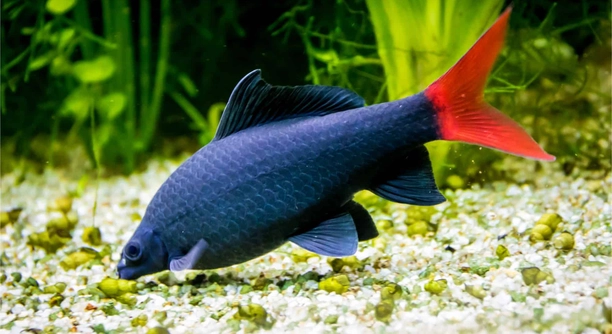
Are your rainbow sharks showing signs of weakness or sluggishness? Maintaining proper feeding habits is essential to keep these fish healthy and active. Many owners may not recognize the subtle signs that indicate their rainbow shark is underfed.
Rainbow sharks display specific physical and behavioral changes when underfed. These include weight loss, faded coloration, decreased activity, frequent hiding, and increased aggression. Monitoring these indicators helps ensure the fish receives adequate nutrition for optimal health.
Recognizing these signs early can help you adjust your care routine and improve your rainbow shark’s well-being and longevity in the aquarium.
Weight Loss and Thin Body
When a rainbow shark is underfed, one of the most noticeable signs is weight loss. These fish naturally have a streamlined shape, but when they begin to lose weight, their bodies look thinner and less full. You might see their ribs or spine more clearly through their skin, which is a sign of malnutrition. Weight loss affects their strength and ability to swim actively. Over time, an underfed rainbow shark will become weaker, making it harder for it to compete for food or defend its territory. This physical change is often the first indication that something is wrong with their diet or feeding schedule. Regularly checking the body condition of your rainbow shark can help you catch weight loss early. If you notice this change, it is important to increase the amount or frequency of feeding to restore its health and prevent further decline.
A thin body is a clear indicator that your rainbow shark is not getting enough food, so take action quickly.
Feeding your rainbow shark small amounts multiple times a day rather than a large portion once can help prevent weight loss. Also, ensure that the food you provide is appropriate for their diet, including sinking pellets and occasional live or frozen treats. Keep an eye on their body shape regularly and adjust feeding routines if the fish appears thin. Improving water quality and tank conditions also supports recovery, as stress can worsen weight loss. Consistency in feeding habits and monitoring can ensure your rainbow shark regains its healthy form and remains active in the aquarium.
Faded Colors and Dull Appearance
Faded colors often indicate that your rainbow shark is underfed. When these fish do not get enough nutrition, their vibrant colors begin to dull, and they lose their natural shine. Bright red fins and a glossy black body can become pale or washed out, signaling poor health.
Lack of proper nutrition reduces the pigments that create the rainbow shark’s vivid colors, which affects their overall appearance.
It is important to understand that faded coloration is not only a cosmetic issue but also a sign of internal stress and poor diet. A well-fed rainbow shark usually shows bright, strong colors because its body has enough nutrients to maintain pigmentation. Feeding high-quality food rich in vitamins and minerals will help restore their color. Vitamins like carotenoids are essential for color development and can be found in specialized fish foods. Regular feeding and a balanced diet will improve the fish’s appearance and contribute to its general health. Avoid sudden changes in diet or environment as these can add stress and further dull colors. Observing the color change can help you act quickly to improve your fish’s diet and living conditions.
Decreased Activity and Lethargy
A rainbow shark that is underfed will often become less active. You may notice it resting more than usual and swimming slowly around the tank.
Reduced energy results from insufficient nutrients, making it difficult for the fish to maintain its normal swimming patterns. Lethargy can also increase vulnerability to illness and stress. When underfed, rainbow sharks may hide more frequently, avoiding interaction or exploration. This change in behavior is a clear sign that their diet is lacking, and it requires immediate attention. Feeding a balanced diet and maintaining a consistent feeding schedule can help restore their activity levels and overall health.
Increasing feeding frequency and offering a variety of foods will encourage your rainbow shark to become more active again. Avoid sudden changes to prevent stress and help the fish regain strength gradually.
Frequent Hiding Behavior
Rainbow sharks tend to hide more often when underfed. This behavior is often linked to weakness and a desire to conserve energy.
Hiding helps the fish avoid stress and aggression from tank mates, especially when it lacks the strength to compete for food. Underfed fish may also feel insecure, so they seek shelter to protect themselves. Observing frequent hiding can indicate that your fish needs better nutrition and care.
Improving feeding habits and ensuring a peaceful tank environment will encourage your rainbow shark to spend more time swimming and less time hiding.
Increased Aggression
Underfed rainbow sharks may show increased aggression toward tank mates. This behavior often results from hunger and competition for limited food.
Aggression can also be a sign of stress caused by inadequate nutrition. Addressing feeding routines can reduce this behavior and promote a calmer tank environment.
Reduced Appetite
Sometimes, underfed rainbow sharks may eat less due to weakened health. This can worsen their condition if not addressed promptly.
Watch for changes in feeding habits. Encouraging appetite with varied, high-quality food can help reverse this issue and restore health.
Slow Growth
Poor feeding slows down growth in rainbow sharks. Lack of proper nutrients means the fish won’t develop fully or reach its potential size.
Consistent feeding with balanced nutrition supports healthy growth and long-term well-being in your fish.
How often should I feed my rainbow shark?
Feeding your rainbow shark once a day is usually enough for adults, but younger fish may need feeding twice daily. Offering small amounts that they can finish within a few minutes prevents overfeeding and keeps the tank clean. Adjust feeding frequency based on their activity and appearance to maintain good health.
What is the best food for a rainbow shark?
Rainbow sharks do well on sinking pellets made for omnivorous fish. These pellets provide balanced nutrients and help satisfy their bottom-dwelling feeding habits. Supplementing their diet with occasional live or frozen foods, such as bloodworms or brine shrimp, adds variety and essential proteins.
Can underfeeding cause illness in rainbow sharks?
Yes, underfeeding weakens the immune system and makes rainbow sharks more vulnerable to diseases. Malnutrition can slow healing and increase stress, which often leads to infections or parasites. Maintaining a proper feeding schedule helps keep your fish healthy and resilient.
Why is my rainbow shark hiding more than usual?
Increased hiding is often a sign of stress or weakness from underfeeding. When they don’t get enough food, they may avoid competition and conserve energy by staying out of sight. Improving feeding habits usually reduces hiding and encourages normal activity.
How can I tell if my rainbow shark is underfed or sick?
Signs like weight loss, faded colors, and lethargy can appear in both underfed and sick fish. However, underfed fish often improve quickly after feeding adjustments, while sick fish may show additional symptoms like spots, swelling, or abnormal swimming. Observing behavior and appearance closely helps determine the cause.
Is it possible to overfeed a rainbow shark?
Yes, overfeeding can lead to water quality problems and health issues like obesity or digestive problems. Feed only what your fish can eat in a few minutes. Uneaten food should be removed to avoid pollution in the tank.
What should I do if my rainbow shark refuses to eat?
Refusal to eat can indicate stress, illness, or poor water conditions. Check tank parameters, reduce stressors, and try offering different foods. If the behavior continues, consider consulting a veterinarian or experienced fish keeper.
Can tank mates affect my rainbow shark’s feeding habits?
Aggressive or fast-feeding tank mates can outcompete rainbow sharks for food, leaving them underfed. Make sure all fish get enough to eat by spreading food throughout the tank and feeding in multiple spots to reduce competition.
How important is water quality for feeding and health?
Good water quality supports digestion and overall health. Poor conditions stress fish and reduce appetite. Regular water changes and monitoring parameters like ammonia and nitrate levels are essential to keep your rainbow shark healthy and eating well.
How quickly can a rainbow shark recover from underfeeding?
Recovery depends on the severity of underfeeding and overall tank conditions. With proper feeding and care, noticeable improvement in activity, color, and appetite can happen within a week. Long-term care ensures full recovery and prevents future issues.
Proper feeding is essential for the health and well-being of your rainbow shark. Recognizing the signs of underfeeding early can prevent many problems and help your fish thrive. Weight loss, faded colors, lethargy, and changes in behavior are common indicators that your rainbow shark may not be receiving enough nutrition. Addressing these signs quickly by adjusting feeding habits and providing a balanced diet is important. Feeding your fish appropriate amounts and types of food helps maintain their energy, coloration, and overall health.
Consistency is key when it comes to feeding rainbow sharks. They benefit from regular, measured meals rather than occasional large feedings. This approach supports steady growth and reduces stress caused by hunger or competition with tank mates. It is also important to monitor the fish regularly and observe any changes in behavior or appearance. A well-fed rainbow shark will be active, display bright colors, and interact normally with its environment. Taking time to learn about your fish’s needs and adjusting your care routine accordingly will ensure they stay healthy and vibrant.
Finally, remember that good water quality and a peaceful tank environment support proper feeding and health. Stress from poor water conditions or aggressive tank mates can make it harder for your rainbow shark to eat well and recover from any feeding issues. Regular tank maintenance, appropriate feeding schedules, and careful observation all contribute to your fish’s long-term well-being. Paying attention to these details will help you provide the best care for your rainbow shark and enjoy a lively, colorful addition to your aquarium.

Hello,
If you enjoy the content that we create, please consider saying a "Thank You!" by leaving a tip.
Every little bit helps us continue crafting quality advice that supports the health, happiness, and well-being of pets around the world, for pets of all shapes, sizes, and species.
We really appreciate the kindness and support that you show us!