
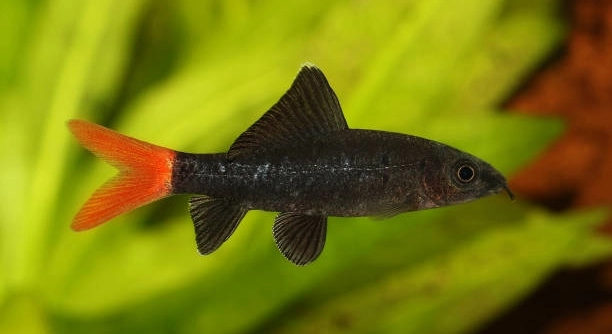
Rainbow sharks are popular freshwater fish known for their vibrant colors and active behavior. Many aquarium owners enjoy keeping them, but a number of myths about their care and nature still circulate. These misconceptions can cause confusion for both new and experienced hobbyists.
Seven common myths about rainbow sharks have been identified and clarified. These myths often involve misunderstandings about their aggression, tank requirements, diet, and compatibility with other fish. Correcting these false beliefs helps ensure better care and a healthier environment for the fish.
Clearing up these myths will improve your understanding of rainbow sharks and support their well-being in home aquariums. Accurate information makes all the difference in successful fishkeeping.
Myth 1: Rainbow Sharks Are Always Aggressive
Rainbow sharks are often labeled as aggressive fish. While they can show territorial behavior, especially in small tanks, this is not true aggression in all cases. They usually become more assertive when space is limited or when other fish invade their preferred areas. In a properly sized tank with enough hiding spots, rainbow sharks tend to be more peaceful. They might chase other fish occasionally, but this behavior usually stops once boundaries are established. Proper tank management and compatible tank mates help reduce tension. Overcrowding and lack of structure can increase their stress, leading to more aggressive displays. Understanding their natural behavior allows owners to create an environment that minimizes conflict. Rainbow sharks appreciate a balanced habitat with open swimming areas and plenty of places to hide.
Recognizing that aggression depends on the environment, rather than the species alone, is key to keeping rainbow sharks calmer and healthier.
Taking time to prepare a suitable tank setup can prevent many behavioral issues associated with rainbow sharks. This approach ensures a more harmonious aquarium.
Myth 2: Rainbow Sharks Don’t Need Much Space
Some believe rainbow sharks can live comfortably in small tanks, but this is misleading. These fish are active swimmers and need ample room to move freely. A tank smaller than 30 gallons is usually insufficient for one adult rainbow shark. In cramped spaces, they become stressed, which affects their health and behavior. Larger tanks help reduce territorial disputes and allow better water quality management. Adequate space also supports a more natural swimming pattern, which benefits their physical condition. When keeping multiple rainbow sharks, even bigger tanks are necessary to prevent overcrowding and aggression. Tank size is an essential factor in providing a healthy environment for rainbow sharks. Owners should plan for enough room to meet their activity levels and social needs.
Choosing an appropriately sized tank helps ensure that rainbow sharks live longer, healthier lives in captivity.
Myth 3: Rainbow Sharks Can Live Alone in Any Tank
Rainbow sharks are known to tolerate living alone, but this is not ideal for their social needs. While they may survive in isolation, they tend to show more natural behavior when kept with compatible tank mates. Social interaction can reduce stress and promote activity. However, they require enough space to avoid territorial disputes with other fish. Keeping a rainbow shark alone in a small tank may lead to boredom or stress, impacting its health over time.
Providing a community tank with peaceful fish helps rainbow sharks thrive. They enjoy having other fish around but need clear territory to feel secure. Suitable companions include bottom-dwellers and non-aggressive species. Careful selection of tank mates reduces conflicts and enhances the overall aquarium environment. This balance allows rainbow sharks to express natural behaviors and maintain a healthy lifestyle.
With proper tank size and peaceful companions, rainbow sharks live a more enriched and less stressful life. Their well-being improves noticeably in a balanced community tank.
Myth 4: Rainbow Sharks Eat Only Algae
Rainbow sharks do eat algae, but their diet is more varied. They are omnivores and need a balanced diet to stay healthy. Algae alone cannot meet all their nutritional requirements. Including protein sources like pellets, flakes, and occasional live or frozen foods is essential. Offering a variety of food types supports their growth and vibrant colors.
Relying only on algae can cause malnutrition and weaken the fish’s immune system. Commercial foods formulated for omnivorous fish provide the necessary nutrients to maintain their health. Supplementing with vegetables such as zucchini or spinach is beneficial as well. A diverse diet helps rainbow sharks avoid health issues and supports their energy needs.
Ensuring a balanced diet is one of the easiest ways to promote the long-term health and bright coloration of rainbow sharks in home aquariums.
Myth 5: Rainbow Sharks Are Difficult to Care For
Rainbow sharks are not as difficult to care for as some believe. They require standard aquarium maintenance like regular water changes and monitoring water quality. Their basic needs are similar to many freshwater fish.
With proper attention to tank size, diet, and water conditions, they thrive well. They are hardy and adapt to typical aquarium environments.
Myth 6: Rainbow Sharks Can Live with Any Fish
Rainbow sharks do best with peaceful, non-aggressive tank mates. They should not be kept with very small or slow-moving fish that may be bullied.
Choosing compatible fish reduces stress and territorial disputes, creating a healthier environment for all species.
Myth 7: Rainbow Sharks Only Swim Near the Bottom
Although rainbow sharks often stay near the bottom, they also swim throughout the tank. They use middle and upper levels to explore or find food.
Their activity is not limited to the tank floor, showing more dynamic behavior than commonly thought.
What size tank is ideal for a rainbow shark?
A tank of at least 30 gallons is recommended for one rainbow shark. They are active swimmers and need enough space to move freely. Larger tanks help reduce territorial behavior and improve water quality. If you plan to keep multiple rainbow sharks or other fish, increase the tank size accordingly to avoid overcrowding and stress.
How aggressive are rainbow sharks?
Rainbow sharks can be territorial, especially in small or crowded tanks. Their aggression is usually limited to chasing and chasing off intruders from their space rather than constant fighting. Providing hiding spots and ample swimming areas helps reduce aggression. Keeping compatible, non-aggressive tank mates also minimizes conflict.
Can rainbow sharks live with other fish?
Yes, but it depends on the other fish species. Rainbow sharks do best with peaceful, fast-swimming fish that are not too small. Avoid slow-moving or long-finned fish, which may be bullied. Suitable companions include danios, barbs, and certain catfish species that occupy different tank levels.
What do rainbow sharks eat?
They are omnivores and require a varied diet. While they consume algae, they also need protein sources like pellets, flakes, frozen or live foods. Vegetables like zucchini or spinach can be offered occasionally. Feeding a balanced diet promotes their health and vibrant colors.
Do rainbow sharks require special water conditions?
Rainbow sharks prefer clean, well-filtered water with temperatures between 72°F and 79°F (22°C to 26°C). Maintaining stable pH around 6.5 to 7.5 and low ammonia and nitrite levels is important. Regular water changes and monitoring ensure a healthy environment.
How often should I feed my rainbow shark?
Feeding once or twice daily is sufficient. Provide only what they can eat within a few minutes to avoid overfeeding, which can harm water quality. Vary the diet to keep them healthy and prevent nutritional deficiencies.
Why does my rainbow shark hide so much?
Hiding is normal behavior, especially during the day or if they feel stressed. Lack of hiding spots or overcrowding can increase hiding. Ensuring enough plants, caves, and decorations helps them feel secure and reduces stress.
How long do rainbow sharks live?
With proper care, rainbow sharks can live 5 to 8 years in captivity. Maintaining good water quality, appropriate diet, and a stress-free environment supports a longer life.
Can rainbow sharks be kept in small community tanks?
Small community tanks are generally not suitable because rainbow sharks need space and can be territorial. Crowded tanks increase stress and aggression. A larger, well-planned tank with appropriate tank mates is better for their well-being.
What signs indicate health problems in rainbow sharks?
Common signs include loss of color, lethargy, refusal to eat, clamped fins, and unusual swimming patterns. Early detection and addressing water quality or disease issues improve chances of recovery. Quarantining new fish and regular tank maintenance help prevent illness.
Rainbow sharks are popular aquarium fish with bright colors and active behavior. Many myths about their care and temperament have caused confusion for fishkeepers. Understanding the true needs of rainbow sharks can help owners provide a healthy and comfortable environment. It is important to know that while rainbow sharks may show some territorial behavior, they are not aggressive by nature if given enough space and proper tank mates. A well-planned aquarium setup reduces stress and allows them to live peacefully alongside other fish.
Tank size is one of the most important factors in keeping rainbow sharks happy. These fish are active swimmers and require a minimum of 30 gallons for a single individual. Smaller tanks often lead to stress and aggressive behavior. Larger tanks allow for natural movement and reduce conflicts. Along with sufficient space, providing hiding spots such as plants or decorations helps the fish feel secure. This setup mimics their natural habitat and encourages normal behavior. Regular maintenance and clean water are also essential for their overall well-being.
Diet plays a crucial role in keeping rainbow sharks healthy. They are omnivores, so feeding only algae or plant matter is not enough. A balanced diet that includes high-quality pellets, flakes, and occasional protein sources supports their growth and vibrant colors. Supplementing with vegetables like zucchini or spinach is beneficial as well. Paying attention to these basic needs—space, diet, and water quality—ensures that rainbow sharks live longer and healthier lives. Dispelling myths and focusing on facts allows owners to enjoy these beautiful fish without unnecessary worry.

Hello,
If you enjoy the content that we create, please consider saying a "Thank You!" by leaving a tip.
Every little bit helps us continue crafting quality advice that supports the health, happiness, and well-being of pets around the world, for pets of all shapes, sizes, and species.
We really appreciate the kindness and support that you show us!