
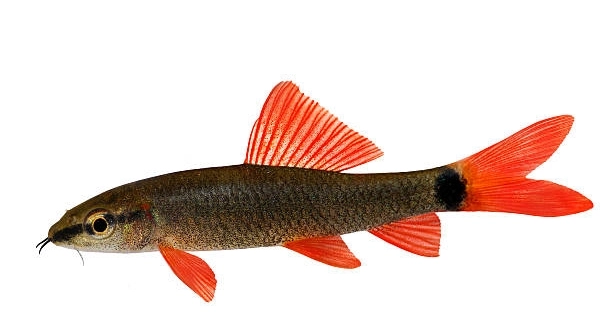
Feeding a rainbow shark properly is important for its health and well-being. Many owners want to make sure their fish get the right nutrients without overfeeding or causing tank problems. Proper feeding habits support a lively and balanced aquarium environment.
Rainbow sharks require a diet rich in protein and vegetables to stay healthy. Feeding them small amounts two to three times daily prevents overeating and water pollution. Balanced nutrition enhances their color, growth, and overall vitality in captivity.
Understanding how to feed your rainbow shark correctly can improve its lifespan and happiness. The following tips will help you maintain a healthy feeding routine and support your fish’s natural behavior.
Choosing the Right Food for Your Rainbow Shark
Selecting proper food is the first step in feeding your rainbow shark well. These fish thrive on a mix of high-quality flakes, pellets, and fresh or frozen foods. Protein sources such as bloodworms, brine shrimp, and daphnia provide essential nutrients. Additionally, supplementing their diet with vegetable matter like spirulina flakes or blanched vegetables helps maintain their health. Avoid foods that are too large or hard to digest, as this can lead to health problems. Feeding a varied diet supports their immune system and vibrant colors. Always check the ingredients and opt for foods designed specifically for omnivorous tropical fish.
Feeding your rainbow shark a balanced diet encourages natural activity and reduces stress. It also helps prevent obesity and water quality issues caused by leftover food.
Consistent feeding with the right food type creates a stable routine for your fish. It also improves digestion and nutrient absorption, which supports growth and coloration. A well-fed rainbow shark is more likely to display its natural behavior, such as swimming actively and interacting with tank mates. Ensuring the food is fresh and suitable prevents digestive issues and keeps the aquarium environment clean. By focusing on variety and quality, you support the long-term health of your rainbow shark.
Establishing a Feeding Schedule
Regular feeding times help your rainbow shark adjust to a routine and avoid overeating. Feeding two to three times daily in small portions works best.
A strict schedule prevents leftover food from polluting the tank, which can lead to algae growth and poor water quality. Overfeeding is a common mistake that harms both fish and tank health. Maintaining consistent meal times encourages healthy metabolism and activity levels. It also reduces aggression caused by competition over food. Using a timer or setting reminders can help keep feeding on track, especially for busy owners. A well-regulated feeding schedule makes caring for your rainbow shark easier and helps maintain a clean, healthy aquarium.
Avoid Overfeeding Your Rainbow Shark
Overfeeding can quickly harm your rainbow shark’s health. Too much food leads to obesity and water pollution. Feed only what your fish can consume within a few minutes.
Excess food settles at the bottom, decomposing and reducing water quality. Poor water conditions increase stress and disease risk for your fish. Overfeeding also causes digestive problems like bloating or constipation. Monitoring portion size ensures your rainbow shark stays healthy and active. Using a small feeding scoop or portioning food beforehand helps control the amount given. This practice protects both your fish and the aquarium environment.
Feeding small, controlled portions multiple times a day is better than a large meal once daily. This mimics natural feeding habits and promotes good digestion. Observing your fish during feeding helps determine the right quantity, adjusting as needed for their appetite and growth.
Supplementing with Vegetables
Vegetables add important fiber and nutrients to your rainbow shark’s diet. Blanched zucchini, spinach, or peas are excellent choices. These help digestion and prevent nutrient deficiencies.
Introducing vegetables diversifies their diet and reduces reliance on protein-only foods. Many rainbow sharks enjoy nibbling on soft veggies, which also support gut health. To prepare vegetables, blanch them briefly in hot water to soften without losing nutrients. Remove skins and chop into small, manageable pieces to prevent choking. Offer these treats once or twice weekly as a supplement rather than a main food source. Balanced feeding with both protein and vegetable matter helps maintain your rainbow shark’s vibrant colors and energy levels over time.
Watch for Signs of Hunger
Rainbow sharks show clear signs when they are hungry. They become more active near feeding times and may swim eagerly around the tank.
Ignoring these signs or feeding inconsistently can cause stress and aggression. Observing your fish helps maintain proper feeding habits and health.
Keep the Aquarium Clean
Uneaten food can quickly dirty the tank and harm water quality. Regular cleaning and gravel vacuuming remove leftover food and waste.
Maintaining clean water reduces the risk of diseases and supports your rainbow shark’s well-being. A clean tank promotes natural behavior and longevity.
Use Feeding Tools When Necessary
Feeding tools like tweezers or feeding rings help control food placement and amount. This reduces waste and ensures food reaches the fish.
Tools make feeding easier, especially in larger tanks or with shy rainbow sharks. They help maintain a cleaner environment and precise feeding control.
FAQ
How often should I feed my rainbow shark?
Feeding your rainbow shark two to three times a day is ideal. Give small portions that the fish can eat within a few minutes to avoid leftover food. This schedule mimics their natural feeding habits and helps maintain water quality.
What types of food are best for rainbow sharks?
A mix of protein-rich flakes or pellets, along with occasional live or frozen foods like bloodworms and brine shrimp, is best. Supplementing with blanched vegetables such as zucchini or peas provides essential nutrients and fiber.
Can I feed my rainbow shark only flakes or pellets?
While flakes or pellets can be a staple, relying solely on them may cause nutritional gaps. Including live or frozen foods and vegetables ensures a balanced diet that supports growth, color, and health.
What happens if I overfeed my rainbow shark?
Overfeeding can lead to obesity, poor water quality, and digestive problems such as bloating. Excess food that is not eaten breaks down and pollutes the tank, stressing your fish and increasing the risk of disease.
How do I know if my rainbow shark is hungry?
Rainbow sharks become more active and swim near the surface or feeding area when hungry. Watching these behaviors helps you feed at the right times and avoid overfeeding or underfeeding.
Are there any foods I should avoid?
Avoid foods that are too large or hard for your rainbow shark to digest. Also, do not feed processed human foods or anything high in fat and preservatives. Stick to aquarium-safe, nutrient-rich options.
Can rainbow sharks eat vegetables?
Yes, vegetables like zucchini, spinach, and peas are good supplements. They provide fiber and nutrients that improve digestion and overall health. Blanch vegetables before feeding to soften them.
How can I prevent leftover food from polluting the tank?
Feed small portions that your rainbow shark can finish quickly. Use feeding tools like rings or tweezers to control where food lands. Regularly clean the tank and vacuum gravel to remove uneaten food and waste.
Is it necessary to vary my rainbow shark’s diet?
Varying the diet prevents nutritional deficiencies and boredom. Mixing flakes, pellets, live foods, and vegetables ensures your fish gets all essential nutrients and stays healthy and active.
What if my rainbow shark refuses to eat?
If your fish stops eating, check water quality, temperature, and tank conditions first. Stress, illness, or poor water parameters often cause appetite loss. Adjust feeding and tank care as needed, and consult a vet if the problem continues.
Can I feed my rainbow shark live food only?
Live food alone does not provide a balanced diet. Use it as a treat or supplement alongside flakes, pellets, and vegetables to meet all nutritional needs and promote good health.
How do feeding tools help with tank cleanliness?
Tools reduce scattered food, limiting waste buildup. They allow targeted feeding, which decreases leftovers and maintains clearer water. This helps prevent algae growth and reduces tank maintenance.
Is fasting beneficial for rainbow sharks?
Occasional fasting, like one day a week without food, can help prevent digestive issues. It mimics natural feeding cycles and allows the fish to clear their systems, but fasting should be done carefully and not frequently.
Can rainbow sharks eat algae wafers?
Algae wafers can be part of their diet, especially if there is little natural algae in the tank. They provide plant-based nutrients but should not replace protein sources. Use them occasionally as a supplement.
How important is water temperature for feeding?
Water temperature affects metabolism and appetite. Rainbow sharks eat best between 74°F and 79°F (23°C–26°C). Temperatures outside this range may reduce their feeding activity and digestion efficiency.
What signs indicate poor nutrition in rainbow sharks?
Dull color, slow movement, weight loss, or swollen abdomen may indicate poor nutrition. Adjust diet immediately and check for other health issues to prevent long-term problems.
Should I remove uneaten food after feeding?
Yes, removing uneaten food prevents decay and water pollution. Use a siphon or net to clear leftovers 10-15 minutes after feeding to maintain tank health.
How does feeding affect rainbow shark behavior?
Proper feeding reduces aggression and stress. Underfed or overfed fish may become territorial or lethargic. Balanced feeding supports natural behavior and social harmony in the tank.
Can rainbow sharks eat flakes meant for other fish?
Some flakes for tropical fish can be fed, but always check ingredients to ensure they meet rainbow shark nutritional needs. Specialized diets are usually better for optimal health and color.
What should I do if my rainbow shark seems picky?
Introduce a variety of foods gradually and offer live or frozen treats to stimulate appetite. Consistency and patience often encourage picky eaters to try new foods over time.
Proper feeding is essential to keep your rainbow shark healthy and active. Giving the right amount of food, choosing varied and nutritious options, and maintaining a consistent schedule all play important roles in their well-being. Overfeeding can cause many problems, including poor water quality and health issues, so it is important to feed carefully and monitor how much your fish eats each time. Feeding smaller portions several times a day works best for most rainbow sharks, as it helps prevent waste and keeps their metabolism steady.
In addition to protein-rich flakes and pellets, supplementing your rainbow shark’s diet with live foods and vegetables adds necessary nutrients. Vegetables like zucchini and peas provide fiber that aids digestion, while live or frozen foods such as bloodworms and brine shrimp offer important proteins and vitamins. A varied diet supports the fish’s natural colors and energy levels. It is also helpful to observe your rainbow shark’s behavior for signs of hunger or refusal to eat, as these can indicate changes needed in feeding or tank conditions.
Keeping the aquarium clean is just as important as feeding the right foods. Leftover food that sinks to the bottom can harm water quality and increase stress or disease risk for your fish. Using feeding tools and cleaning regularly help prevent this buildup. Maintaining proper temperature and water quality further supports healthy eating habits and digestion. Overall, feeding your rainbow shark the right way is a balance of good food choices, portion control, a steady schedule, and careful tank maintenance. These practices ensure your fish will thrive and display its best colors and behavior for years to come.

Hello,
If you enjoy the content that we create, please consider saying a "Thank You!" by leaving a tip.
Every little bit helps us continue crafting quality advice that supports the health, happiness, and well-being of pets around the world, for pets of all shapes, sizes, and species.
We really appreciate the kindness and support that you show us!