
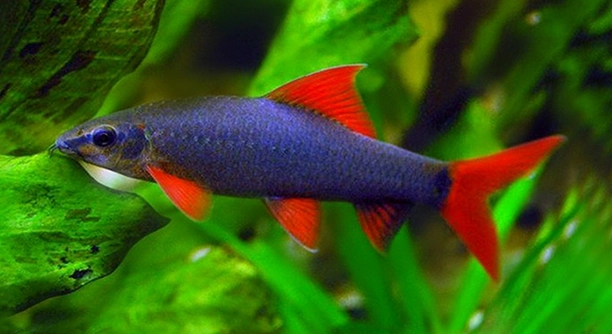
Do your rainbow shark’s tankmates seem stressed or constantly chased around? Creating a peaceful aquarium environment can be tricky when this bold fish shares space with others.
The key to helping your rainbow shark get along with other fish is choosing compatible species, providing ample space, and creating multiple hiding spots to reduce territorial aggression and stress-related behaviors.
Understanding these methods can lead to a more balanced tank where all your fish feel safe and active in their shared habitat.
Choose Compatible Tankmates
Rainbow sharks are semi-aggressive and territorial, especially in smaller tanks. To reduce tension, it’s important to house them with the right types of fish. Avoid slow-moving or long-finned species like angelfish or guppies, as these can become targets for chasing. Instead, choose fast, similarly sized fish that can hold their own but aren’t overly aggressive. Good options include zebra danios, barbs, and rainbowfish. Avoid other bottom dwellers or other sharks, as they will compete for the same territory. A community setup with mid-to-top level swimmers will help your rainbow shark feel less threatened and more relaxed in the tank.
Small fish that keep to the upper levels of the tank are less likely to trigger territorial behavior. This gives the rainbow shark its space.
When setting up your tank, consider how each species behaves and where they tend to swim. Providing companions that use different areas of the tank allows everyone to coexist more easily. This can help prevent nipping, chasing, and stress. Even compatible tankmates need monitoring in the early days. Keep an eye on body language and feeding habits. If any fish appears overly stressed, consider rearranging decorations or moving tankmates to a different setup. A peaceful environment starts with thoughtful planning and careful observation.
Provide Plenty of Hiding Spots
A tank with few decorations or hiding places can make your rainbow shark more defensive. They need clear boundaries to feel secure.
Add caves, driftwood, rocks, and dense plants to create natural territories within the aquarium. These spots allow your rainbow shark to claim a space and feel safe. Without these, it may start to act out by chasing or nipping at tankmates. Try placing decorations throughout the tank, not just in one area. Spread out hiding places give all fish a place to retreat. This breaks up the tank visually and helps prevent one fish from trying to dominate all the space. Rearranging decorations now and then can also help reduce aggression, as it resets territorial boundaries. Be sure the tank is large enough—at least 55 gallons—to give the rainbow shark and its tankmates the space they need to move around without constant contact. A balanced layout can keep tension low and behavior stable.
Maintain a Spacious Tank
A cramped tank often leads to stress and aggression. Rainbow sharks are territorial and need room to swim freely without constantly bumping into other fish. Small tanks limit movement and create tension.
A tank that’s too small can make your rainbow shark overly defensive. Aim for a minimum of 55 gallons, especially if you plan to keep multiple species. The added space allows fish to establish their own zones and reduces the chance of conflict. Long tanks are better than tall ones since rainbow sharks prefer horizontal swimming space. Keep decorations low to the bottom and mid-level, where your shark will spend most of its time. Spread out items evenly so all fish can explore without being chased out of one section. When everyone has their own space, it becomes easier for tankmates to avoid each other when needed, which helps reduce aggressive behavior and promotes better long-term tank harmony.
Tank size also affects how many hiding spots and swimming zones you can provide. A larger space gives you more flexibility to design areas for each fish. Try using plants or driftwood to section off corners. This can stop one fish from claiming the entire bottom area. When fish have areas they can retreat to without being followed, they’ll feel more relaxed and less likely to act out. Overcrowding is another issue that can quickly make the environment hostile. Stick to reasonable stocking levels, and allow your filter system to support the tank’s size. Clean water and enough room for each species to move around will support healthier, calmer behavior for everyone.
Keep a Balanced Male-to-Female Ratio
Rainbow sharks don’t have visible gender differences, but when keeping similar species that show sexual dimorphism, an uneven ratio can cause problems. Too many males often leads to increased aggression and territorial disputes in the tank.
When possible, maintain a balanced mix or a female-heavy group to reduce stress and competition.
Monitor Feeding Time Closely
Feeding time can trigger territorial behavior in rainbow sharks. They may become more aggressive when food is added to the tank, especially if resources seem limited. To prevent this, spread food across different areas of the tank so all fish have access without needing to compete in one spot. Floating, sinking, and slow-release foods can help reach fish at different levels. Avoid overfeeding, as leftover food can cause water quality issues, increasing stress for all tank members. Keeping feeding calm and consistent encourages a peaceful atmosphere and helps reduce bullying caused by hunger or food guarding behavior.
Avoid Housing with Similar-Looking Fish
Fish that resemble rainbow sharks in shape or color may be mistaken as rivals. This often leads to unnecessary chasing or fighting. Fish like red-tailed sharks or albino rainbow sharks should not be housed with your rainbow shark.
FAQ
How aggressive are rainbow sharks toward other fish?
Rainbow sharks can be semi-aggressive, especially toward fish that invade their territory. They often defend the bottom and sides of the tank where they like to swim and hide. Their aggression varies based on tank size, hiding spots, and tankmate choice. Proper tank setup can reduce aggressive behaviors significantly.
Can rainbow sharks live peacefully with other fish?
Yes, if the tank is large enough and tankmates are chosen carefully, rainbow sharks can coexist well with other species. Fast-moving mid-to-top swimmers that aren’t too small or slow usually do best. Avoid other bottom dwellers or fish that look similar to prevent conflicts.
What is the ideal tank size for rainbow sharks?
A minimum tank size of 55 gallons is recommended for one rainbow shark. This gives enough swimming space and allows room for decorations and hiding spots. Larger tanks reduce stress and territorial disputes by offering plenty of room to establish separate zones.
How can I tell if my rainbow shark is stressed or aggressive?
Signs of stress include hiding constantly, faded colors, or loss of appetite. Aggression shows as chasing, nipping, or guarding certain areas. Watch how your fish interact and respond to changes in the tank environment. Adjustments like adding plants or rearranging decorations can help.
What types of fish should be avoided with rainbow sharks?
Avoid slow-moving fish like angelfish or fancy guppies and bottom dwellers such as other sharks or catfish. Also, fish with long fins often become targets. Choosing fast, robust swimmers that stay mostly in the middle or upper levels prevents many problems.
How often should I feed my rainbow shark and tankmates?
Feed your rainbow shark once or twice daily with a balanced diet of sinking pellets, flakes, or frozen foods. Spread food around the tank to reduce competition. Avoid overfeeding to maintain water quality, which keeps fish healthy and less prone to aggression.
Do rainbow sharks need hiding places in their tank?
Yes, hiding spots like caves, plants, and driftwood help reduce stress and aggression. These areas let the shark claim territory and retreat when needed. Multiple hiding spots throughout the tank prevent one fish from dominating all the space.
Is it important to keep a male-to-female ratio with rainbow sharks?
Rainbow sharks don’t show clear gender differences, but maintaining a balanced ratio in species with visible males and females can reduce aggression. If keeping other species, a female-heavy group tends to be less aggressive and creates a calmer tank atmosphere.
Can rearranging the tank decorations reduce aggression?
Rearranging decorations occasionally can help reset territorial boundaries. It makes the fish adjust and can reduce long-term aggression by preventing any one fish from dominating a specific area too strongly. Regular changes encourage exploration and reduce boredom.
What should I do if my rainbow shark is constantly chasing other fish?
Increase hiding spots and add plants to break up the tank visually. Check that the tank is large enough and that the fish are compatible. Sometimes introducing new tankmates slowly or separating aggressive fish temporarily can restore peace. Monitoring behavior daily helps catch issues early.
Rainbow sharks can be a great addition to a community aquarium, but they do require some special care to ensure they get along well with other fish. Their natural territorial instincts mean they need enough space and the right environment to feel comfortable. Providing a large tank with plenty of hiding spots is one of the most important steps to reduce aggression. When fish have areas where they can retreat and feel safe, they are less likely to chase or nip at tankmates. Careful tank planning helps create a peaceful atmosphere where all fish can thrive.
Choosing compatible tankmates is also essential for a harmonious aquarium. Rainbow sharks prefer to share space with fast-moving, mid-level swimmers that don’t look like them or compete for the same territory. Avoiding fish that are slow, long-finned, or bottom dwellers will reduce conflict. Monitoring your fish closely after introducing new companions allows you to catch any signs of stress or aggression early. If problems arise, rearranging tank decorations or adjusting the number of fish can help restore balance. Consistent feeding practices and clean water support overall health, which also reduces aggressive behavior caused by stress or competition.
In summary, keeping rainbow sharks with other fish requires attention to tank size, hiding places, and tankmate selection. When these factors are well managed, rainbow sharks can live peacefully alongside many other species. It is important to observe your aquarium regularly and make adjustments when needed. By providing the right environment and care, you can enjoy watching your rainbow shark and its tankmates coexist happily. The effort put into setting up and maintaining a balanced tank is worth the calm and active fish community that results.

Hello,
If you enjoy the content that we create, please consider saying a "Thank You!" by leaving a tip.
Every little bit helps us continue crafting quality advice that supports the health, happiness, and well-being of pets around the world, for pets of all shapes, sizes, and species.
We really appreciate the kindness and support that you show us!