
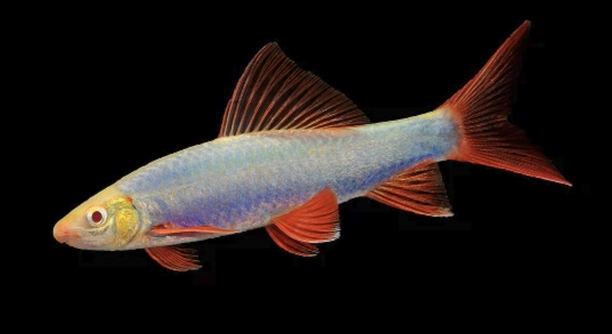
Is your rainbow shark refusing to eat, leaving you concerned about its health and unsure of what to do next?
Loss of appetite in rainbow sharks is commonly caused by stress, poor water quality, illness, or dietary issues. Addressing these concerns early improves the chances of helping your fish recover and return to healthy eating habits.
Understanding the signs, making the right changes, and knowing what to avoid will help keep your rainbow shark safe, comfortable, and well-fed.
Check Your Water Conditions First
Water quality plays a big role in your rainbow shark’s health. If the water is off, your fish might stop eating. Start by testing the tank’s ammonia, nitrite, and nitrate levels. Ammonia and nitrite should always be at zero, while nitrates should be kept low. Also, check the pH, which should stay between 6.5 and 7.5. Temperature is another factor—keep the tank between 75°F and 81°F. If anything is out of range, fix it slowly to avoid further stress. Poor water quality can cause loss of appetite, so regular maintenance is key. Clean the tank weekly and avoid overfeeding.
A sudden drop or rise in water temperature can lead to your fish refusing food. Monitor it with a reliable heater and thermometer to maintain stable levels.
Making small changes like regular water tests and partial water changes can make a big difference. When the water is clean and balanced, your rainbow shark will feel safer and may start eating again. Stress from unstable or dirty water often leads to health issues, so being proactive keeps your tank healthy. If nothing changes after water adjustments, you’ll want to look into other possible causes like illness or competition at feeding time.
Rule Out Illness
Loss of appetite is often one of the first signs that something may be wrong with your rainbow shark’s health. Watch for any signs of physical changes such as color fading, ragged fins, white spots, or strange swimming behavior.
If you notice any of these signs, quarantine your fish immediately to avoid spreading possible infections. Treating your shark in a separate tank allows you to observe it closely and apply treatments more effectively. Use medications designed for freshwater fish based on what symptoms you see. For example, if white spots are present, it could be ich, and treatment should start right away. Don’t delay or wait to see if things improve. Some illnesses progress quickly and may become harder to treat. Avoid using multiple medications at once unless advised. During treatment, keep the water extra clean and offer food soaked in garlic juice to encourage eating. Garlic can act as an appetite booster and may help them accept food again. Always complete the full course of treatment even if the fish starts looking better.
Reduce Stress in the Tank
Rainbow sharks can get stressed easily, especially if the tank is too crowded or lacks proper hiding spots. Stress can cause them to stop eating and behave differently. Keep their space calm and quiet, and avoid sudden changes in lighting, tank layout, or water flow.
Territorial behavior is common in rainbow sharks, especially in smaller tanks or when housed with similar-looking fish. To help reduce aggression and stress, provide caves, plants, and decorations where the shark can hide and feel secure. Avoid adding other bottom dwellers, as rainbow sharks are known to defend their territory. Try not to rearrange the tank often, as it can cause confusion and anxiety. Keep tank mates peaceful and avoid overcrowding. Giving your fish plenty of room helps reduce stress and encourages normal eating behavior. A calm, stable environment can often lead to your rainbow shark becoming more comfortable and willing to eat again.
Watch how your rainbow shark interacts with other fish. If you see signs of aggression or if it’s constantly hiding, that may be a sign of ongoing stress. Consider upgrading to a larger tank if the space feels too tight. Adding background paper to the tank or placing it in a quiet area of the room can also help. Avoid tapping the glass or making loud noises around the tank. Small actions like these can have a big impact. Once stress is reduced, the fish will often return to a more active, healthy routine that includes regular feeding.
Try Offering Different Foods
Sometimes rainbow sharks get bored or lose interest in the same food. If they stop eating, try changing up what you offer. Frozen foods, live brine shrimp, or sinking pellets can often grab their attention. Variety helps meet their nutritional needs and encourages better feeding habits.
Start with small amounts of new food and remove any leftovers after 10 minutes to keep the water clean. Good options include bloodworms, algae wafers, and veggie-based sinking pellets. Soaking dry food in garlic juice can make it more appealing. Rotate between protein and plant-based foods to give them a balanced diet. If your shark starts eating again, keep up the variety to prevent future issues. Avoid overfeeding, especially with rich or fatty foods, as that can upset their digestion. Feed once or twice a day and stick to a routine. With time, they may become more responsive and return to eating regularly.
Remove Leftover Food Promptly
Leaving uneaten food in the tank can quickly harm water quality. As the food breaks down, it releases toxins that stress your rainbow shark even more. Always remove leftovers within ten minutes after feeding to keep the environment safe and clean.
Dirty water from excess food also encourages algae and bacteria growth. This creates an unhealthy space and may further reduce your shark’s appetite. Keep feeding amounts small until you see a consistent eating pattern.
Observe Feeding Times Closely
Watch how your rainbow shark behaves during feeding. If it shows interest but doesn’t eat, that may point to stress or a mild illness. If it completely ignores the food, test water and try new food types. Consistent feeding time and quiet surroundings help them feel more secure.
Avoid Overcrowding
Too many fish in one tank leads to competition, stress, and limited hiding spaces. Rainbow sharks need personal space to feel safe and eat comfortably. A larger tank with the right setup helps reduce stress and supports healthy feeding habits.
FAQ
Why did my rainbow shark suddenly stop eating?
A sudden loss of appetite is usually caused by stress, illness, poor water conditions, or a recent change in diet or environment. Check the water parameters first—ammonia, nitrites, nitrates, temperature, and pH levels should all be within a safe range. Look for any physical signs of illness or behavior changes. If your fish was recently moved, introduced to new tank mates, or had its habitat rearranged, it might just need time to adjust. Limiting disturbances, offering a variety of foods, and observing for a few days can help you find the cause.
How long can a rainbow shark go without eating?
Healthy adult rainbow sharks can go without eating for about 4 to 7 days. However, this should not be a regular occurrence. If your shark continues to avoid food beyond a few days, it’s a sign something needs attention. Always rule out illness or poor water quality. Younger fish or those already showing signs of weakness may not tolerate food deprivation as well. Extended fasting can lead to weight loss, immune problems, and further complications, so it’s important to act quickly if feeding habits change.
What should I feed a picky rainbow shark?
Try rotating between high-quality sinking pellets, algae wafers, blanched vegetables like zucchini or spinach, and frozen or live foods like bloodworms or brine shrimp. Some rainbow sharks prefer more plant-based options, while others respond well to protein. Soaking food in garlic juice can increase interest. Avoid feeding floating flakes, as rainbow sharks prefer food that sinks to the bottom. Keep portions small and consistent, and monitor what gets eaten. Introducing new food gradually helps avoid rejection and keeps water cleaner in case it goes uneaten.
Can tank mates cause my rainbow shark to stop eating?
Yes, aggressive or overly active tank mates can make your rainbow shark feel threatened or stressed, leading to a refusal to eat. Rainbow sharks can be territorial themselves, especially with similar-looking fish or those that occupy the same space. If they feel challenged or are constantly on alert, they may not feel safe enough to feed. Choose peaceful tank mates that stay in different areas of the tank and avoid bottom dwellers that compete for space. Providing plenty of hiding spots and maintaining a larger tank can reduce conflict.
Is it okay to feed my rainbow shark once a day?
Yes, feeding once a day is fine for a healthy adult rainbow shark. You can also split their daily portion into two smaller meals, especially if you’re offering different types of food. Consistency is more important than frequency. Overfeeding can lead to water problems and digestive issues. Offer only what your fish can eat in a couple of minutes and remove any leftovers. Sticking to a feeding routine helps your shark feel secure and encourages healthy habits over time.
Should I be worried if my rainbow shark is hiding a lot and not eating?
Frequent hiding combined with a loss of appetite is often a sign of stress or illness. It’s normal for rainbow sharks to hide occasionally, especially if they’re new to the tank or feel threatened. However, if this becomes a constant behavior, check for water quality issues, tank aggression, or signs of disease. Make sure the tank is calm, well-decorated with hiding spots, and not overcrowded. If the fish remains inactive and refuses food for several days, consider isolating it to observe more closely and begin treatment if needed.
Can water changes help bring back their appetite?
Yes, partial water changes can improve appetite, especially if the tank conditions have started to decline. Dirty water can make fish feel stressed or sick, both of which reduce interest in food. Change 20–30% of the tank water every week, and use a dechlorinator to keep it safe. Always match the temperature of the new water with the tank to avoid shock. If your rainbow shark resumes eating shortly after a water change, poor water quality was likely the cause. Regular maintenance is one of the best ways to prevent appetite loss.
Do rainbow sharks have feeding preferences based on time of day?
Rainbow sharks are generally more active during the day, so feeding them during daylight hours is best. Try feeding them at the same time each day so they get used to a routine. Avoid feeding right after lights go on or off, as sudden light changes can cause them to hide or become stressed. Pay attention to when your fish seems most active and alert—this is when they’re more likely to accept food. With time and consistency, feeding can become a smooth and predictable part of their daily rhythm.
Final Thoughts
Taking care of a rainbow shark that has stopped eating can feel frustrating, especially when the cause isn’t clear right away. But with some patience and a few careful steps, you can often get your fish back on track. Start with the basics: check the water quality, observe the tank for any signs of stress or illness, and look at how the shark is behaving during feeding. Small changes in the tank environment, diet, or even the feeding schedule can sometimes make a big difference. The key is to make changes slowly and watch how your fish reacts.
It’s important to remember that every rainbow shark is different. Some are more sensitive to change, while others may be picky about their food. Keep a close eye on patterns—what foods they reject, what time of day they’re more active, or whether they’re hiding more than usual. If you can spot these signs early, you’ll be able to take action before the problem gets worse. Don’t rush to add medications unless you’re sure illness is involved. Start by improving the tank conditions and diet first. Often, a calmer space and cleaner water are all your fish needs to feel safe enough to eat again.
Keeping your rainbow shark healthy means being consistent with maintenance and feeding routines. Clean water, the right tank setup, and a mix of nutritious food all play a role. Be patient, especially if your fish is recovering from stress or illness. Try different foods one at a time, monitor how much they eat, and give them space if they seem nervous. Even if they don’t start eating right away, gentle care and regular observation usually lead to improvement. Staying calm and making thoughtful changes gives your rainbow shark the best chance to return to normal feeding habits and stay healthy long term.

Hello,
If you enjoy the content that we create, please consider saying a "Thank You!" by leaving a tip.
Every little bit helps us continue crafting quality advice that supports the health, happiness, and well-being of pets around the world, for pets of all shapes, sizes, and species.
We really appreciate the kindness and support that you show us!