
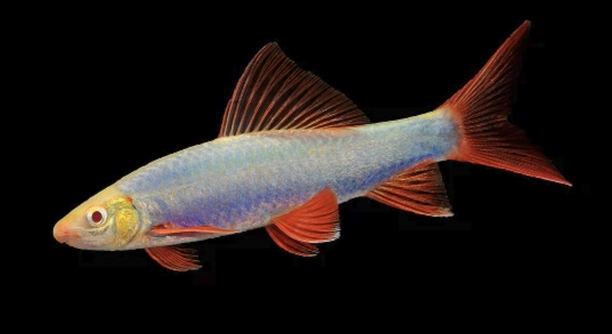
Is your rainbow shark spending more time hiding than swimming confidently around the tank, making you wonder if something’s wrong?
The most common reason your rainbow shark is too passive is due to environmental stress or incompatible tankmates. These factors can suppress natural behavior, causing the fish to retreat and avoid interaction. Identifying and correcting these issues is essential.
Understanding these possible triggers will help you create a more peaceful, balanced habitat and encourage your rainbow shark to become more active again.
Check Your Tank Setup
Rainbow sharks need enough space to feel secure. A small or overcrowded tank can stress them out and lead to passive behavior. Stick to a minimum tank size of 55 gallons. Include plants, caves, and driftwood to provide hiding places without making the space feel too cramped. Open swimming areas are also important. Avoid sharp decor, as rainbow sharks can be sensitive to injury. Strong filtration and stable water parameters help reduce stress. Keep lighting moderate and consistent. Sudden changes to the environment can make them withdraw, so maintain a stable setup. Rearranging decor too often also affects their comfort.
A calm, consistent setup gives your rainbow shark space to swim and settle without feeling threatened or boxed in.
Make sure your tank isn’t too bright or cluttered. Keeping the lighting balanced and the environment natural helps your shark stay calm. These fish prefer predictable surroundings with enough personal space.
Evaluate Tankmates Carefully
Rainbow sharks can become passive when living with aggressive or overly active fish. They also dislike being housed with their own kind or similar-shaped fish like red-tailed sharks.
Choose tankmates that are peaceful and fast enough to avoid confrontation. Rainbow sharks do best with bottom-dwellers like loaches or mid-level swimmers like barbs or rasboras. Avoid slow, delicate fish that might be stressed or picked on. Keeping only one rainbow shark per tank is ideal. A poorly matched tank community can make your shark overly shy or force it into hiding. Rearranging the tank slightly when introducing new fish can prevent territorial behavior. Watch for signs of bullying, such as torn fins or constant hiding. Remove any aggressive species promptly. A peaceful tank will encourage your rainbow shark to interact more and establish its territory. Balanced social dynamics lead to a more active, confident fish.
Monitor Water Parameters Closely
Poor water quality can make your rainbow shark sluggish and withdrawn. Ammonia spikes, pH swings, or high nitrates are common stressors. Test your water regularly and do weekly partial water changes to keep everything balanced and healthy.
Maintain stable water conditions with a pH between 6.5 and 7.5 and temperature between 75°F and 81°F. Use a reliable test kit and track readings weekly. Avoid overfeeding, as leftover food can lead to ammonia buildup. Check your filter and clean it regularly, but never all at once. Replace filter media gradually to preserve beneficial bacteria. When doing water changes, use a water conditioner to remove chlorine and chloramine. Sudden shifts in water chemistry can stress your fish, even if everything looks fine at first. A stable environment supports your shark’s immune system and behavior, helping it remain active and alert. Clean, balanced water makes a noticeable difference in their comfort.
When water quality is off, rainbow sharks may stop exploring and hide more often. They sense subtle chemical changes quickly, even if other fish don’t react. Always treat poor water conditions as a possible reason for sudden passiveness. A well-maintained tank gives them the confidence to be themselves again.
Adjust Feeding Routine
A poor diet or inconsistent feeding schedule can cause low energy and passive behavior. Rainbow sharks need a balanced mix of plant-based and protein-rich foods. Feeding once or twice a day in small portions helps maintain healthy activity.
Use sinking pellets as a staple food and supplement with blanched vegetables like zucchini or spinach. You can also include occasional protein sources such as bloodworms or brine shrimp. Rotate food types throughout the week to keep their diet varied and interesting. Make sure food reaches the bottom of the tank so your shark can find it easily. Avoid overfeeding, as uneaten food can pollute the water. Stick to a regular feeding time to help them develop a routine. Over time, a consistent diet supports both energy levels and immune health. If your shark doesn’t respond to food, monitor other symptoms to rule out illness. A well-fed fish is more likely to stay active.
Limit Sudden Tank Changes
Rainbow sharks don’t respond well to sudden changes. Quick adjustments in decor, lighting, or water parameters can cause them to retreat. Keep your tank stable and make any changes slowly over time to avoid unnecessary stress.
Even shifting plants or adding new objects too often can trigger hiding. Give your shark time to adjust.
Observe for Signs of Illness
Passive behavior can be an early sign of illness. Watch for faded color, clamped fins, rapid gill movement, or white spots on the body. These symptoms may point to common issues like ich, bacterial infections, or internal parasites. Quarantine if needed and treat with appropriate medications. Keep feeding consistent, and avoid overcrowding during recovery. Illness can cause your rainbow shark to lose energy or become withdrawn, even if everything else in the tank seems fine. Regular observation helps you catch issues before they get worse. A healthy fish is active and alert, so changes in behavior should never be ignored.
Provide a Consistent Routine
Consistency matters. Keeping lighting, feeding, and maintenance on a regular schedule helps reduce stress. Rainbow sharks are sensitive to sudden changes in their environment and rely on predictable routines to feel secure in their tank.
FAQ
Why is my rainbow shark hiding all the time?
Constant hiding is usually a sign of stress. This can come from poor water quality, incompatible tankmates, or not enough hiding spots. Rainbow sharks are territorial, but they also need safe areas to retreat. If there’s too much movement or aggression from other fish, they’ll often stay out of sight. Check your water parameters, reduce loud noises near the tank, and make sure your rainbow shark has space to claim as its own. Adding more driftwood or caves might help. Also, avoid sudden changes in the environment that could cause anxiety.
Can rainbow sharks live with other rainbow sharks?
Rainbow sharks are not peaceful with their own kind. Keeping more than one in the same tank often leads to fights. They are territorial and will try to dominate the space. This can cause extreme stress in the more passive fish, leading it to hide constantly or stop eating. If you want more than one, the tank must be very large with plenty of barriers to block line of sight. Even then, it’s risky. In most home aquariums, it’s best to keep only one rainbow shark to avoid aggression and passive behavior in others.
What tankmates are safe for a rainbow shark?
Choose fast, peaceful fish that swim in the upper or middle levels of the tank. Good options include barbs, danios, rasboras, and loaches. Avoid slow-moving fish or those with long fins, as rainbow sharks may nip at them. Don’t pair them with other bottom dwellers that might compete for territory. Cichlids and other aggressive species are also poor choices. Always monitor new additions closely. A well-matched community can help your rainbow shark feel more secure and active without feeling threatened or challenged.
How do I know if my rainbow shark is sick?
Sick rainbow sharks often become sluggish or isolate themselves. Watch for clamped fins, loss of color, refusal to eat, white spots, or strange swimming patterns. Rapid breathing or staying near the surface can signal gill issues. If something seems off, test your water first to rule out environmental stress. If water conditions are stable and symptoms continue, consider quarantining the fish and using medication suited to the issue. Catching symptoms early is key to helping your shark recover. Don’t wait too long to act.
How often should I feed my rainbow shark?
Feed once or twice a day in small amounts they can finish within a couple minutes. Overfeeding leads to poor water quality, which can make your fish passive. A mix of sinking pellets, plant matter, and occasional protein sources like frozen bloodworms works well. Keep feeding times consistent to help your shark feel secure. If food is constantly left uneaten, reduce the portion size. Observe their eating habits and adjust as needed. A good diet plays a major role in overall behavior and health.
Do rainbow sharks sleep?
Yes, rainbow sharks rest, usually at the bottom of the tank or inside a hiding spot. They become less active and may stay in one spot for hours, especially at night or during lights-off periods. This is normal. However, if your shark seems unusually inactive during the day, check for other stress signals or signs of illness. Normal rest doesn’t include clamped fins, labored breathing, or a lack of response to food. Healthy rest is calm and temporary, not disconnected or overly withdrawn.
Can lighting affect rainbow shark behavior?
Yes, lighting can impact how your rainbow shark behaves. Too much brightness may cause stress, while very dim lighting can make the tank feel unsafe. Use moderate lighting and maintain a consistent day/night cycle, around 10–12 hours of light daily. Avoid sudden on/off switches—use a timer if possible. Changes in lighting should be gradual to prevent stress. A stable light routine helps your shark feel safe and stay active during the day. If your tank is in a bright room, cover it partially or add plants for shaded areas.
Final Thoughts
Rainbow sharks are known for their bold presence, but when they become too passive, it’s often a sign that something isn’t right in their environment. These fish need space, stable water conditions, and a well-balanced tank community to feel safe and thrive. If your rainbow shark is hiding too much or staying inactive, it’s important to look at all parts of their care—tank size, setup, tankmates, feeding habits, and routine. One small issue can affect their comfort, but with a few careful changes, you can often bring back their usual energy and behavior. It doesn’t take a complete overhaul, just some attention to the details that support their natural habits.
Tank stability plays a big role in how active a rainbow shark will be. These fish don’t respond well to sudden changes. This includes water conditions, lighting shifts, rearranged decor, or new tankmates. Keeping things predictable helps them stay relaxed and confident in their territory. Feeding them regularly with the right mix of foods also helps improve energy and general well-being. Illness can be another reason for passiveness, so it’s always good to observe your fish daily for any changes. Early signs like clamped fins or color fading can be easy to miss, but they’re often the first indicators of a problem.
Making small adjustments based on what your fish needs can bring noticeable improvement. Sometimes it’s just a matter of removing a stressful tankmate or providing more places to hide. Other times, it might take a closer look at water quality or diet. Every rainbow shark is a little different, but they all benefit from a calm, clean, and well-organized tank. Staying consistent with care routines and keeping a close eye on their behavior will go a long way in helping your fish feel secure. Over time, these efforts can help your rainbow shark return to being the active, curious swimmer you expect to see.

Hello,
If you enjoy the content that we create, please consider saying a "Thank You!" by leaving a tip.
Every little bit helps us continue crafting quality advice that supports the health, happiness, and well-being of pets around the world, for pets of all shapes, sizes, and species.
We really appreciate the kindness and support that you show us!