
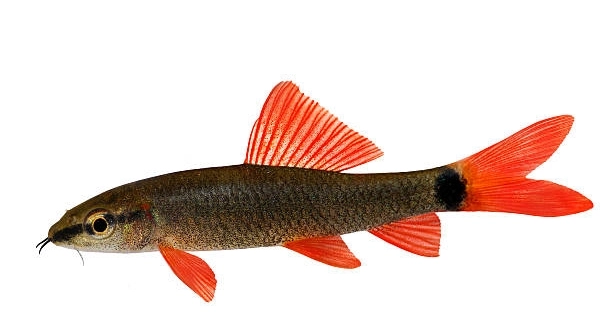
Do you have a rainbow shark and want to make sure its tank setup is just right for its health and comfort?
Rainbow sharks need a tank with at least 50 gallons of water, stable temperatures between 75–81°F, and a well-filtered environment. Providing hiding spots and maintaining water quality are key to keeping them healthy and stress-free.
Knowing the right conditions helps prevent aggression, stress, and illness while supporting a long, healthy life for your rainbow shark.
Tank Size Matters More Than You Think
Rainbow sharks are active and territorial, so they need space to swim and establish their own area. A tank that is at least 50 gallons gives them enough room to move around without feeling cramped. Smaller tanks can lead to aggressive behavior, especially if other fish are nearby. A longer tank works better than a tall one since they prefer horizontal swimming space. If you’re thinking of keeping more than one rainbow shark, it’s better not to. They are known to fight with their own kind, especially in small spaces. Decorations like rocks and driftwood can help break up the tank and give your rainbow shark places to hide. This helps reduce stress. Make sure to keep their tank covered too—rainbow sharks are strong jumpers. Overall, the right tank size sets the foundation for a balanced, peaceful setup that supports both the physical and mental well-being of your fish.
A small tank creates problems over time. It limits movement, causes stress, and can lead to unwanted aggression.
Choosing a larger tank isn’t just about space. It helps with water quality, allows for better filtration, and makes the environment more stable. These factors reduce the risk of illness and support better behavior. When the tank fits your fish’s needs, you’ll see a calmer, healthier rainbow shark.
Keep the Water Clean and Stable
Rainbow sharks need clean, warm water to stay healthy. The water temperature should stay between 75–81°F.
A stable water environment is one of the most important parts of rainbow shark care. Rapid changes in water temperature or pH levels can cause stress and illness. A good aquarium heater keeps the temperature steady, while a thermometer helps you monitor it daily. Stick to a weekly cleaning routine to remove waste and leftover food. A strong filter is also important. It keeps ammonia and nitrite levels low, which protects the fish’s gills and overall health. Regular water testing will help you catch any issues early. Keep the pH between 6.5 and 7.5 for best results. Avoid overfeeding, as excess food can pollute the water. Use a siphon to clean the gravel without disturbing the tank too much. Clean, stable water gives your rainbow shark a better chance at staying active, vibrant, and stress-free over time.
Tank Mates Require Careful Selection
Rainbow sharks can be aggressive toward other fish, especially those that look similar or invade their space. Choosing the right tank mates is important to keep peace in the tank.
Avoid housing rainbow sharks with bottom dwellers or other semi-aggressive species. Fish like cichlids, red-tailed sharks, and other rainbow sharks can lead to constant fighting. Instead, go for peaceful, mid-to-top-level swimmers that don’t resemble your shark. Good options include barbs, danios, rasboras, and some types of gouramis. These species tend to stay out of the rainbow shark’s way and reduce the chances of confrontation. Also, make sure there’s enough space in the tank to prevent crowding. Adding more hiding spots helps fish feel secure and less stressed. Keeping the group balanced and avoiding look-alike fish will help your rainbow shark stay calm.
It’s also helpful to introduce the rainbow shark last when adding fish to a tank. Doing this prevents them from claiming the whole space as their territory before the others arrive. This step makes it easier for tank mates to coexist peacefully. Make sure each fish has a defined area to reduce the chances of conflict. Pay attention to how they act over time. If aggression becomes an issue, you may need to separate them.
Lighting and Décor Support Behavior
Rainbow sharks don’t need special lighting, but they do best with a regular light cycle that mimics day and night. Use a basic aquarium light and keep it on for 8–10 hours each day.
Too much light can make them skittish and stressed. If the lighting is too bright, they may hide more often or act nervous. Adding floating plants helps soften the light and creates a more natural feel in the tank. Decor is also important for behavior. Include caves, driftwood, and rocks to give your shark places to rest and hide. This reduces aggression and gives them personal space. A well-decorated tank makes them feel safe, which supports more natural activity. Just avoid sharp edges, as these can injure them. Rearranging the décor from time to time can also help reset territorial boundaries if needed. This is especially useful if your shark starts showing signs of dominance or stress.
Diet and Feeding Habits Matter
Rainbow sharks are omnivores and need a mix of protein and plant-based foods. A varied diet keeps them healthy and supports their immune system.
Feed them sinking pellets, algae wafers, and the occasional treat like bloodworms or blanched vegetables. Avoid overfeeding, as this can pollute the water quickly.
Monitor Behavior Closely
Watch how your rainbow shark behaves each day. If they start hiding more, show signs of injury, or act overly aggressive, something may be off. It could be due to poor water quality, stress from tank mates, or an issue with the tank setup. Small changes in behavior are often the first signs of stress or illness. Addressing problems early makes a big difference. Regular observation helps you keep their environment safe, clean, and peaceful. Keeping a simple care routine and checking in daily will help prevent issues before they grow worse.
Filtration Plays a Big Role
A strong filter is necessary to remove waste and maintain water quality. It also keeps oxygen levels stable, which supports healthy breathing.
How often should I feed my rainbow shark?
Feeding your rainbow shark once or twice a day is ideal. Give only what they can eat within a few minutes to avoid leftover food polluting the tank. Overfeeding can harm water quality and lead to health problems. Small portions spread over multiple feedings work best.
What is the best temperature range for rainbow shark tanks?
Rainbow sharks thrive in water temperatures between 75°F and 81°F. Maintaining this range helps keep their metabolism steady and reduces stress. Use an aquarium heater and thermometer to monitor temperature daily and avoid sudden changes.
Can rainbow sharks live with other fish?
Yes, but tank mates must be chosen carefully. Avoid other bottom dwellers or fish that look similar, like red-tailed sharks. Good companions include barbs, danios, and peaceful mid-to-top swimmers. Plenty of space and hiding spots reduce aggression.
How big should the tank be?
A minimum of 50 gallons is recommended for one rainbow shark. They need room to swim and establish territory. Larger tanks help reduce stress and aggression. Long tanks work better than tall ones to provide horizontal space.
What kind of filtration do rainbow sharks need?
Strong filtration is essential to keep water clean and oxygenated. Rainbow sharks produce waste that can quickly affect water quality. A good filter helps remove ammonia, nitrites, and nitrates while maintaining steady water flow.
Why is my rainbow shark hiding so much?
Hiding can mean your fish feels stressed or unsafe. Check water quality, tank mates, and temperature first. Too much light or aggressive fish nearby can cause hiding behavior. Adding more decorations and plants creates safe spaces and reduces stress.
Are rainbow sharks aggressive?
They can be territorial and may show aggression toward similar fish or if space is limited. Proper tank size, hiding spots, and careful tank mate selection reduce conflicts. Observing behavior helps catch aggression early.
How often should I clean the tank?
Perform partial water changes of 20–30% weekly. Clean substrate gently and remove uneaten food. Regular cleaning keeps ammonia and nitrite levels low and supports fish health. Avoid complete water changes that can shock your fish.
What do rainbow sharks eat besides pellets?
Besides sinking pellets and flakes, they enjoy algae wafers, frozen or live bloodworms, brine shrimp, and blanched vegetables like zucchini or spinach. A varied diet helps meet their nutritional needs and keeps them active.
Can I keep more than one rainbow shark?
It’s not recommended unless the tank is very large. Rainbow sharks are territorial and often fight with their own kind. If keeping more than one, provide a huge tank with many hiding places to minimize aggression.
How do I know if my rainbow shark is sick?
Look for signs like loss of appetite, faded colors, clamped fins, erratic swimming, or white spots. These can indicate illness or stress. Test water parameters and isolate the fish if needed. Early treatment increases the chance of recovery.
Is lighting important for rainbow sharks?
Moderate lighting is best. Too bright lights cause stress and hiding behavior. A light cycle of about 8–10 hours mimics natural conditions. Adding floating plants helps soften the light and provides shade.
What kind of substrate is best for rainbow sharks?
Fine gravel or sand works well. Avoid sharp or rough substrates that can injure their delicate undersides. Smooth surfaces support their bottom-dwelling habits and reduce the risk of damage.
Do rainbow sharks need decorations?
Yes, caves, rocks, and driftwood provide hiding spots and break up the tank visually. This reduces territorial aggression and gives your fish places to rest. Avoid overcrowding, which can cause stress. Rearranging decorations occasionally can reset territories.
How long do rainbow sharks live?
With proper care, they live around 5 to 8 years in captivity. Maintaining good water quality, a proper diet, and a peaceful environment helps extend their lifespan. Regular observation keeps them healthy and happy.
Rainbow sharks are interesting fish that need specific care to stay healthy and happy. Setting up their tank with the right size, water temperature, and filtration is very important. A tank that is at least 50 gallons gives them enough space to swim and explore without feeling crowded. Keeping the water clean and stable helps prevent illness and stress. Using a good filter and doing regular water changes keeps the water safe for your fish. It is also important to keep the temperature steady between 75 and 81 degrees Fahrenheit because sudden changes can cause problems. With the right tank setup, your rainbow shark can live comfortably and show natural behaviors.
Choosing tank mates carefully is another key part of caring for rainbow sharks. They can be territorial and sometimes aggressive, especially toward fish that look like them or live near the bottom of the tank. Peaceful fish that swim in the middle or top levels, such as barbs or danios, usually get along better with rainbow sharks. Adding plenty of hiding places like caves, plants, and driftwood gives your fish safe spots to rest and helps reduce fights. Lighting should be moderate, not too bright, so your shark feels secure. Paying attention to these details makes a calmer and healthier tank for everyone.
Feeding your rainbow shark a balanced diet also helps keep it strong. They need a mix of protein and plant-based foods, like sinking pellets, algae wafers, and occasional treats such as bloodworms or vegetables. Avoid overfeeding because leftover food can dirty the water and harm your fish. Watching your rainbow shark’s behavior is important too. If it starts hiding more or acting strangely, check the water quality and tank conditions right away. Simple care habits, like feeding the right amount, keeping the tank clean, and watching for changes, will go a long way. With patience and attention, your rainbow shark can thrive and be a beautiful, lively part of your aquarium.

Hello,
If you enjoy the content that we create, please consider saying a "Thank You!" by leaving a tip.
Every little bit helps us continue crafting quality advice that supports the health, happiness, and well-being of pets around the world, for pets of all shapes, sizes, and species.
We really appreciate the kindness and support that you show us!