
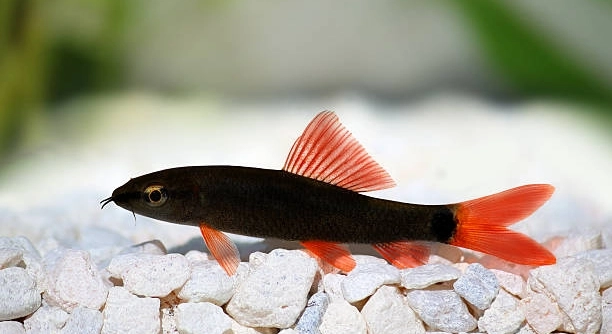
Rainbow sharks are popular aquarium fish known for their vibrant colors and active swimming. They need enough space to thrive and avoid stress. Overcrowding can cause health problems and affect their behavior in your tank.
Overcrowding in rainbow shark tanks leads to increased aggression, stress, and a higher risk of disease. Proper tank size and population management are essential to maintaining their well-being and preventing harmful environmental conditions.
Recognizing overcrowding signs helps protect your fish and keeps the aquarium balanced and healthy for all its inhabitants.
Signs of Aggression and Stress
When rainbow sharks are overcrowded, aggression becomes more noticeable. You may see frequent chasing, fin nipping, or even fights between fish. These behaviors increase because space is limited, and the fish feel threatened or stressed. Overcrowding also leads to hiding and reduced activity. Instead of swimming freely, your sharks might cling to one corner or stay still for long periods. Stress weakens their immune system, making them more vulnerable to infections. Water quality tends to decline faster as waste builds up, adding to the pressure on the fish. Keeping an eye on changes in behavior is important to catch overcrowding early and prevent serious harm. Regular observation helps maintain a peaceful tank and ensures your rainbow sharks feel comfortable.
Aggression and stress directly indicate the need for more space or fewer fish in the tank. Immediate action can improve their health and environment.
Creating enough space and providing hiding spots helps reduce aggression. Maintaining clean water supports their overall well-being. Avoid overcrowding to keep your rainbow sharks calm and active.
Impact of Poor Water Quality
Poor water quality is a major issue when tanks are overcrowded. Waste accumulates quickly, raising harmful levels of ammonia, nitrites, and nitrates. These substances irritate fish gills, slow growth, and cause illness. Overcrowded tanks require more frequent water changes and strong filtration systems. Even with filtration, waste can build up faster than it can be removed. Oxygen levels drop as well, stressing the fish further. Without enough oxygen, rainbow sharks become lethargic and more prone to disease. Testing water regularly for chemical imbalances is essential in crowded tanks. Proper filtration and frequent maintenance are necessary to support a healthy environment. If water quality worsens, your fish’s health will decline rapidly. Understanding these effects will help you prevent problems and create a safe home for your rainbow sharks.
Reduced Growth and Health Problems
Overcrowded tanks often lead to slower growth in rainbow sharks. Limited space and poor water conditions affect their development.
When fish compete for space and resources, their energy focuses on survival rather than growth. Stress weakens their immune system, making them prone to diseases like fin rot and fungal infections. Inadequate oxygen levels and toxins from waste also harm their health, causing sluggish behavior and discoloration. Ensuring enough room and clean water helps your rainbow sharks grow strong and healthy, preventing these common health issues.
Proper nutrition is harder to maintain in crowded tanks, as food may not reach all fish equally. This imbalance further impacts growth and vitality, emphasizing the importance of tank size and population control.
Decreased Activity and Hiding Behavior
Rainbow sharks in crowded tanks often reduce activity and spend more time hiding. This behavior shows discomfort and stress.
Crowding forces fish into defensive modes, limiting their natural swimming patterns. They may cling to tank corners or under decorations, avoiding interaction. Lack of swimming space can lead to muscle weakness and reduced overall health. Over time, their vibrant colors may fade as stress takes a toll. Observing these signs early allows for changes to improve their environment, encouraging natural activity and healthier behavior. Providing adequate space and hiding spots is key to helping rainbow sharks feel secure and active again.
Increased Waste Production
More fish in the tank means more waste is produced. This leads to quicker buildup of harmful substances in the water.
Without proper filtration and frequent cleaning, waste causes poor water conditions. This affects all fish and can lead to disease or death if left unmanaged.
Difficulty Maintaining Tank Conditions
Overcrowded tanks demand more effort to keep water parameters stable. Ammonia and nitrate levels rise faster, making regular testing and maintenance critical.
Filters must work harder, and water changes need to be more frequent to maintain a safe environment. Neglecting these increases health risks and reduces tank clarity, harming the fish.
Fading Colors
Stress from overcrowding often causes rainbow sharks to lose their bright colors. Their usual vibrant appearance dulls over time.
Maintaining a proper tank size and environment helps keep their colors vivid and healthy.
FAQ
How many rainbow sharks can I keep in one tank?
The general rule is one rainbow shark per 30 gallons of water. This provides enough space for swimming and reduces stress. Smaller tanks may cause territorial disputes and aggression. If you want more than one, ensure the tank is large enough with plenty of hiding spots to help them coexist peacefully.
What size tank is best for rainbow sharks?
A minimum of 40 gallons is recommended for a single rainbow shark. Larger tanks, such as 55 gallons or more, are better if you want multiple fish or other species. Bigger tanks allow better water quality control and space for natural behavior, which is crucial for their health.
How can I tell if my tank is overcrowded?
Signs include frequent aggression, hiding, dull colors, and poor water quality. Fish may swim less or act stressed. If you notice these behaviors, test the water for ammonia and nitrate levels. Overcrowding can harm fish health and requires immediate action.
What can I do to reduce overcrowding?
You can move some fish to another tank or upgrade to a larger tank. Reducing the number of fish and increasing filtration and water changes also helps. Rearranging decorations to create more territory may reduce aggression temporarily but won’t solve overcrowding fully.
How often should I clean the tank if it’s crowded?
In overcrowded tanks, cleaning should be done at least once a week, sometimes more often. Partial water changes of 20-30% help remove toxins. Regular cleaning of the filter and substrate is also important to keep water quality high.
Can overcrowding cause diseases in rainbow sharks?
Yes, stress from overcrowding weakens their immune system, making them vulnerable to infections like fin rot and parasites. Poor water quality also increases disease risks. Preventing overcrowding and maintaining clean water helps keep diseases at bay.
Are there other fish that can live peacefully with rainbow sharks?
Yes, but tank size and population matter. Peaceful bottom dwellers like corydoras catfish or larger tetras work well. Avoid small or slow-moving fish that rainbow sharks might bully. Proper space and hiding spots reduce aggression in community tanks.
How do I improve water quality in a crowded tank?
Upgrade your filtration system to handle higher waste loads. Increase water change frequency and avoid overfeeding. Testing water regularly for ammonia, nitrites, and nitrates is essential. Adding live plants can also help absorb toxins and improve oxygen levels.
What happens if I ignore overcrowding signs?
Ignoring overcrowding leads to poor water quality, constant stress, illness, and even death of your fish. Aggressive behavior escalates, and your tank becomes difficult to maintain. Early intervention is key to a healthy aquarium environment.
Can overcrowding affect the behavior of rainbow sharks long term?
Yes, long-term overcrowding can make rainbow sharks permanently stressed or aggressive. They may never fully regain their natural behaviors or colors. Providing adequate space early on prevents lasting damage and keeps your fish happier over time.
Final Thoughts
Keeping rainbow sharks healthy and happy requires attention to their environment. Overcrowding is a common issue that can cause many problems, from increased aggression to poor water quality. These fish need enough space to swim freely and establish their own territory. When the tank is too crowded, stress builds up, which affects their health and behavior. It is important to observe your fish regularly to catch signs of overcrowding early. Making adjustments in tank size or population helps maintain a peaceful and balanced aquarium.
Proper tank maintenance is crucial when caring for rainbow sharks. Overcrowding means more waste and faster water quality deterioration. Frequent water changes and a good filtration system become even more necessary. Testing water parameters regularly can prevent harmful conditions that stress the fish. Providing hiding spots and decorations helps reduce conflict among fish, especially when space is limited. Taking these steps can improve the overall health of your aquarium and protect your rainbow sharks from the negative effects of overcrowding.
Creating the right environment for your rainbow sharks ensures they remain vibrant and active. Adequate space, clean water, and a stable community are key to their well-being. When you see signs like aggression, hiding, or faded colors, it’s a signal to act. By managing tank size and fish population carefully, you support their natural behaviors and growth. Overcrowding is avoidable with proper planning and care, which leads to a healthier, more enjoyable aquarium for both you and your fish.

Hello,
If you enjoy the content that we create, please consider saying a "Thank You!" by leaving a tip.
Every little bit helps us continue crafting quality advice that supports the health, happiness, and well-being of pets around the world, for pets of all shapes, sizes, and species.
We really appreciate the kindness and support that you show us!