
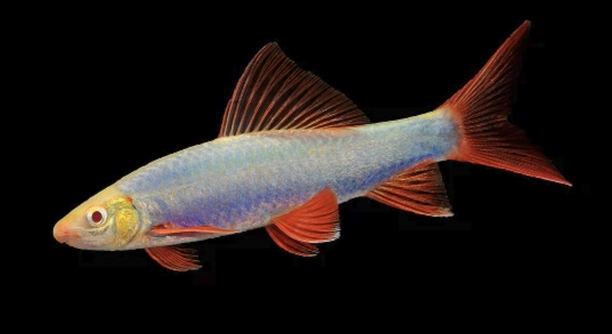
Rainbow sharks are popular aquarium fish known for their vibrant colors and peaceful nature. They can sometimes suffer injuries that affect their health and appearance. Understanding what causes these injuries is important for keeping them safe.
The main causes of rainbow shark injuries include rough tank mates, poor water quality, inadequate tank size, sharp decorations, aggressive behavior during feeding, handling stress, and disease infections. Preventing injuries involves careful tank management and proper care practices.
Knowing these causes and prevention methods helps ensure your rainbow shark stays healthy and vibrant. This article will guide you through practical steps to protect your fish from harm.
Rough Tank Mates
Rainbow sharks are peaceful fish but can get injured by aggressive tank mates. Fish that are territorial or overly active might chase or nip at them, causing stress and wounds. It’s important to choose tank companions carefully to reduce fighting. Avoid placing rainbow sharks with large, aggressive species that may see them as competition. Even fish of similar size can cause harm if they are overly territorial. Observing the fish behavior regularly helps spot early signs of aggression. Injuries from rough tank mates can become infected if left untreated, so acting quickly is key. Providing enough hiding spots and visual barriers can also help reduce conflict and protect your rainbow shark.
Choosing calm and compatible fish creates a safer environment for your rainbow shark. Smaller, non-aggressive species work best to keep peace in the tank.
Tank mates that are calm and non-aggressive reduce the chances of injury to your rainbow shark, keeping it healthy and stress-free.
Poor Water Quality
Maintaining good water quality is essential for rainbow shark health. Dirty or poorly filtered water weakens their immune system, making them vulnerable to infections and injuries. High ammonia, nitrite, or nitrate levels can irritate their skin and fins, causing them to become more prone to damage. Regular water testing and changes help maintain a healthy environment. Proper filtration and aeration ensure that harmful substances are removed efficiently. It’s important to avoid overcrowding the tank because more fish produce more waste, which can degrade water quality quickly. A clean tank prevents many common health issues and supports faster healing if injuries occur. Consistent maintenance reduces stress on your fish, which also lowers the risk of injury.
Keeping water clean and well-filtered is a basic but critical step for rainbow shark care. It promotes overall health and prevents many common problems.
By regularly testing water and performing maintenance, you create a safe habitat that supports your rainbow shark’s long-term well-being and minimizes injury risks.
Inadequate Tank Size
A small tank limits swimming space and causes stress for rainbow sharks. This stress can lead to injuries from frantic movements or fights.
Rainbow sharks are active swimmers and need plenty of room to move. A cramped tank increases competition for territory, causing aggressive behaviors. They may scrape against decorations or tank walls, leading to cuts and abrasions. A tank under 30 gallons is usually too small for adult rainbow sharks. Providing enough space helps reduce stress and prevents physical damage. It also allows them to establish territories without constant conflict. Proper tank size is key for their overall well-being and injury prevention.
Ensuring a spacious tank reduces physical risks and supports healthier behavior patterns. It allows your fish to thrive calmly.
Crowded tanks lead to injuries caused by stress and physical contact, so giving your rainbow shark ample space is essential.
Sharp Decorations
Sharp or rough decorations can cause cuts or scrapes on rainbow sharks. It’s important to use smooth, rounded tank items.
Sharp edges on rocks, driftwood, or artificial ornaments can injure delicate fins and bodies. Rainbow sharks swim close to the bottom and around objects, increasing their chances of contact. Rough surfaces may cause fin tears or skin wounds that can easily become infected. Inspecting decorations before adding them to the tank helps prevent these issues. Using aquarium-safe materials designed with smooth surfaces is best. Removing or replacing any sharp objects reduces injury risk. It’s also helpful to arrange decorations so your fish can swim freely without bumping into objects.
Choosing safe decorations protects your fish from avoidable injuries. It also creates a more comfortable environment for swimming.
Avoiding sharp decorations helps keep your rainbow shark’s skin and fins intact, which supports their overall health.
Aggressive Behavior During Feeding
Feeding time can cause aggression among rainbow sharks and tank mates. Competition for food may lead to chasing or biting.
To reduce this, feed small amounts in several spots. This helps distribute food and lowers fights during feeding.
Handling Stress
Handling rainbow sharks can cause stress and injuries. They are sensitive and do not like being caught often.
Minimize handling to prevent physical damage and reduce stress that weakens their immune system, making injuries more likely.
Disease Infections
Diseases weaken rainbow sharks and increase injury risks. Common infections include fin rot and parasites.
Keeping the tank clean and maintaining proper water conditions help prevent diseases. Quarantine new fish to avoid introducing infections. Early treatment is crucial to stop the spread and support healing.
How to Prevent Injuries
Providing a calm environment, proper tank size, safe decorations, and good water quality is essential. Regular observation helps catch problems early.
FAQ
What should I do if my rainbow shark gets injured?
If your rainbow shark shows signs of injury, isolate it in a quarantine tank to prevent infection and further harm. Keep the water clean and monitor its behavior closely. You can use aquarium salt or medications designed for minor wounds. Avoid handling the fish unnecessarily, as this can increase stress. If the injury worsens or doesn’t heal, consult a veterinarian experienced with fish.
Can stress cause injuries in rainbow sharks?
Yes, stress weakens a rainbow shark’s immune system, making it more vulnerable to injuries and infections. Causes of stress include overcrowding, aggressive tank mates, poor water quality, and frequent handling. Reducing stress by maintaining a stable environment helps prevent injuries and supports faster recovery.
How often should I clean the tank to prevent injuries?
Cleaning frequency depends on tank size and stocking levels but generally, partial water changes of 20-30% once a week are recommended. Regular cleaning helps keep water parameters stable and reduces harmful substances that can irritate your rainbow shark’s skin or fins, lowering injury risks.
Are there specific tank mates that work best with rainbow sharks?
Peaceful fish that occupy different tank levels work best with rainbow sharks. Avoid large, aggressive, or territorial species. Good tank mates include Corydoras catfish, danios, and tetras. These species help maintain harmony and reduce the chance of injury caused by fighting.
What tank size is ideal for a rainbow shark?
A minimum tank size of 30 gallons is recommended for one rainbow shark, with larger tanks preferred if you keep multiple fish. More space helps reduce stress, aggression, and accidental injuries caused by tight living conditions.
Can poor diet lead to injuries in rainbow sharks?
A poor diet weakens your fish’s immune system and slows healing of wounds. Providing a balanced diet rich in protein, vitamins, and minerals supports their overall health and resilience. Supplementing with occasional live or frozen foods can improve nutrition and vitality.
How do I choose safe decorations for my tank?
Select decorations with smooth edges and avoid sharp or rough surfaces. Rinse all items thoroughly before adding them to the tank. Natural decorations like smooth river rocks or driftwood that are properly prepared are good choices. This helps prevent cuts and scrapes on your rainbow shark.
When should I quarantine new fish?
Always quarantine new fish for at least two weeks before introducing them to your main tank. This helps prevent the spread of diseases and parasites that can cause injuries or weaken your rainbow shark.
How can I tell if my rainbow shark is stressed or injured?
Signs of stress or injury include clamped fins, loss of color, lethargy, hiding more than usual, or visible wounds. Changes in appetite or erratic swimming also signal a problem. Early detection allows prompt action to prevent further harm.
Is it safe to use aquarium salt for injuries?
Aquarium salt can help prevent infections and promote healing for minor injuries, but it should be used carefully following recommended dosages. Some species are sensitive to salt, so always research your tank’s inhabitants and monitor their response when using salt treatments.
Final thoughts on caring for rainbow sharks focus on creating a safe and healthy environment. These fish are beautiful and active, but they need proper care to avoid injuries. Understanding the common causes of injuries, such as rough tank mates, poor water quality, or sharp decorations, is the first step. By being aware of these factors, you can take practical steps to protect your fish. Regular maintenance, careful tank setup, and observation help prevent problems before they start.
Providing enough space in the tank is also very important. Rainbow sharks need room to swim freely without feeling crowded. A tank that is too small can cause stress and lead to aggressive behavior or accidents. Choosing calm and compatible tank mates reduces chances of injury from chasing or biting. It is equally important to select decorations that do not have sharp edges. Smooth, rounded items help avoid cuts and scrapes on the fish’s fins and body. Clean water and good filtration maintain a healthy environment, reducing the risk of disease and skin irritation that can make injuries worse.
Finally, minimizing stress and handling keeps rainbow sharks strong and less likely to get hurt. Stress weakens their immune system, so reducing aggressive interactions and avoiding frequent handling helps. When injuries do happen, quick action and proper treatment improve healing chances. Monitoring the fish daily for any signs of wounds or illness allows for early intervention. Keeping your rainbow shark in a well-maintained, peaceful tank with proper care will help it stay healthy and vibrant for a long time.

Hello,
If you enjoy the content that we create, please consider saying a "Thank You!" by leaving a tip.
Every little bit helps us continue crafting quality advice that supports the health, happiness, and well-being of pets around the world, for pets of all shapes, sizes, and species.
We really appreciate the kindness and support that you show us!