
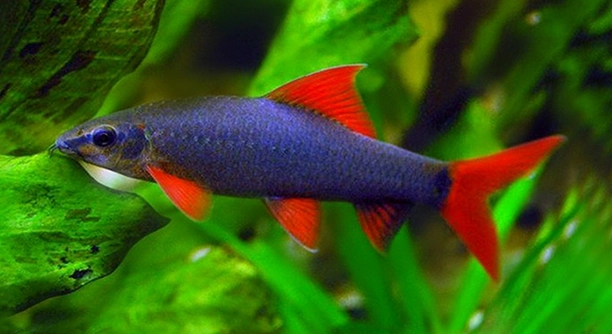
Raising active Rainbow Shark fry requires careful attention to their environment and diet to ensure they grow healthy and strong. These small fish need specific conditions to thrive, especially in their early stages of life. Proper care can make a big difference in their development.
Successful rearing of Rainbow Shark fry involves maintaining clean water, providing adequate space, offering a balanced diet, ensuring proper temperature, and minimizing stress factors. Consistent monitoring and timely adjustments are crucial for promoting their activity and survival rates.
Knowing these basics helps create a supportive environment for your fry, leading to healthier and more energetic fish as they mature.
Creating a Suitable Tank Environment
Setting up the right tank is essential for raising active Rainbow Shark fry. The tank should be spacious enough to allow free swimming and exploration. A minimum of 20 gallons is recommended for a group of fry, with plenty of hiding spots like plants and decorations. Clean water with stable parameters supports healthy growth, so regular water changes and good filtration are necessary. The water temperature should be kept between 75°F and 80°F, as this range encourages activity without stressing the fry. Avoid sudden changes in water quality or temperature to prevent shock. Soft lighting helps reduce stress, as very bright lights can cause the fry to hide or become inactive. Keeping the tank quiet and free from vibrations also helps the young fish stay calm and active, which is vital during their early development.
Maintaining stable tank conditions reduces stress and supports the fry’s health and activity levels.
A properly arranged tank boosts survival chances and encourages natural behaviors, helping the Rainbow Shark fry grow into lively adults ready for a thriving aquarium life.
Feeding Your Rainbow Shark Fry
Feeding the fry correctly is critical for their development. Start with finely crushed flakes or specialized fry food that is small enough for them to eat. Offer food in small amounts multiple times a day to avoid overfeeding and maintain water quality. Include live or frozen foods like baby brine shrimp or daphnia to add variety and nutrition. As the fry grow, gradually introduce more solid foods to meet their increasing dietary needs. Monitoring how much the fry eat helps prevent leftover food from polluting the tank. Consistent feeding schedules improve growth rates and keep the fry energetic.
Ensuring a balanced diet promotes healthy development and keeps the fry active.
By carefully choosing food types and feeding frequency, you support the fry’s immune system and overall vitality. A good diet minimizes illness risks and enhances coloration, making the young Rainbow Sharks more vibrant and lively. Proper feeding also fosters strong swimming skills and interaction among the fry, setting a foundation for robust adult fish.
Monitoring Water Quality Regularly
Water quality is critical for raising healthy Rainbow Shark fry. Test the water regularly for ammonia, nitrite, nitrate, and pH levels to prevent harmful spikes. Keeping water clean ensures the fry stay active and reduces the risk of illness.
Maintaining stable water parameters is essential for fry health. Ammonia and nitrite should always be at zero, while nitrate levels need to stay low, ideally below 20 ppm. The pH should remain between 6.5 and 7.5 for optimal comfort. Frequent water changes, about 25% weekly, help remove toxins and replenish minerals. Using a reliable test kit helps track these values, so adjustments can be made quickly. Avoid overfeeding and overcrowding, as they contribute to poor water quality. Proper filtration and aeration support the tank’s ecosystem and oxygen levels, which is vital for active fry.
Testing water and acting on results quickly prevents stress and disease. Consistency in maintenance keeps the environment safe, encouraging fry to swim freely and grow steadily.
Providing Proper Lighting and Temperature
Lighting and temperature directly impact the behavior and health of Rainbow Shark fry. Maintain moderate lighting to avoid stress and set the temperature between 75°F and 80°F for their comfort. Stable conditions support activity and growth.
Light should be on for about 10 to 12 hours daily to simulate a natural cycle. Too much light can cause fry to hide or become less active, while too little can reduce their appetite. A consistent temperature prevents shock and supports digestion and metabolism. Sudden temperature drops weaken the immune system and increase vulnerability to disease. Using a reliable heater with a thermostat helps keep temperature steady. Monitoring the tank environment closely and making gradual adjustments are key to maintaining the fry’s well-being and encouraging natural behaviors.
Avoid Overcrowding the Tank
Overcrowding can cause stress and reduce oxygen levels in the tank. Keeping the number of fry appropriate for the tank size helps maintain healthy water conditions and allows each fish enough space to grow.
Providing enough room encourages natural swimming behavior and reduces aggression among fry. A less crowded tank supports better growth and activity.
Regularly Remove Uneaten Food and Waste
Leftover food and waste pollute the water, leading to harmful conditions for the fry. Removing debris promptly keeps the tank clean and water quality high.
Maintaining cleanliness prevents spikes in ammonia and nitrite levels, which are dangerous to young fish. A clean environment supports healthy immune systems and encourages active, stress-free swimming in Rainbow Shark fry.
Introduce Plants for Hiding Spots
Plants offer shelter and reduce stress for fry. They create a natural environment where fry feel safe and can explore without feeling threatened.
Observe Fry Behavior Daily
Daily observation helps detect early signs of illness or stress. Monitoring their activity ensures timely care adjustments for better health.
FAQ
How often should I feed Rainbow Shark fry?
Feeding small amounts multiple times a day works best. Aim for 3 to 4 feedings daily with finely crushed flakes or specialized fry food. This keeps the fry nourished without overloading the tank with leftover food that can pollute the water.
What is the ideal water temperature for raising Rainbow Shark fry?
Keep the water temperature between 75°F and 80°F. This range encourages healthy metabolism and activity. Use a reliable heater with a thermostat to maintain consistent temperature and avoid sudden fluctuations that could stress the fry.
How frequently should I change the water?
Change about 20-25% of the water every week. Regular partial water changes help remove toxins, maintain stable water chemistry, and keep nitrate levels low. Avoid full water changes as they can shock the fry.
Can I keep other fish with Rainbow Shark fry?
It’s best to keep fry separate from adult fish or aggressive species. Other fish may compete for food or even harm the fry. A dedicated fry tank reduces stress and increases survival rates.
What type of filtration is suitable for fry tanks?
Use a gentle filter like a sponge filter that provides adequate filtration without strong currents. Strong water flow can tire out the fry or push them into hiding, limiting their activity.
How do I know if my Rainbow Shark fry are healthy?
Active swimming, bright coloration, and steady growth indicate good health. Fry that hide constantly, lose color, or refuse food may be stressed or sick, requiring immediate water testing and possible treatment.
What live foods are good for Rainbow Shark fry?
Baby brine shrimp, microworms, and daphnia are excellent live foods. They provide essential nutrients and encourage natural hunting behavior, helping fry develop their swimming and feeding skills.
Is it necessary to have plants in the fry tank?
Yes, plants offer hiding places that reduce stress and create a more natural environment. They also help maintain water quality by absorbing nitrates and providing oxygen.
How can I reduce stress in Rainbow Shark fry?
Maintain stable water conditions, avoid overcrowding, and limit sudden changes in light or temperature. Gentle handling and a quiet tank environment also help keep fry calm and active.
When can I introduce Rainbow Shark fry to a community tank?
Wait until the fry are at least 2 to 3 inches long and show strong swimming behavior. They should be large enough to avoid being bullied or eaten by other fish. Introduce them slowly while monitoring interactions carefully.
What signs of disease should I watch for?
Look for faded colors, clamped fins, lethargy, and loss of appetite. White spots, fungus, or abnormal swimming may indicate infections. Early detection and treatment increase the chances of recovery.
Can I use tap water for the fry tank?
Tap water is fine if properly treated with a water conditioner to remove chlorine and chloramine. Always test water parameters before adding fry to ensure safety.
How important is lighting for fry development?
Moderate lighting for 10 to 12 hours a day supports natural rhythms. Avoid very bright light as it can cause stress. Too little light may reduce feeding activity and growth.
Should I separate sick fry from healthy ones?
Yes, isolate sick fry immediately to prevent spreading disease. Use a quarantine tank for treatment and observe recovery closely before returning them to the main tank.
What can cause slow growth in Rainbow Shark fry?
Poor water quality, inadequate nutrition, overcrowding, or stress can slow growth. Check water parameters regularly, feed a balanced diet, and provide enough space to promote healthy development.
Are there any special care tips for newly hatched fry?
Keep the tank very clean, maintain stable water parameters, and feed small, frequent meals. Avoid sudden disturbances and monitor the fry closely during the first weeks. This phase is critical for their survival and activity levels.
Raising active Rainbow Shark fry requires attention to several important details. From the tank setup to feeding and water quality, each step affects the fry’s health and activity. Creating a stable environment with proper temperature, lighting, and enough space helps the fry grow strong and swim freely. Avoiding overcrowding and keeping the water clean are also key to reducing stress and preventing disease. Regular monitoring of water parameters and fish behavior ensures any problems are caught early and handled promptly. These actions collectively create a supportive habitat that encourages natural activity and development in the young fish.
Feeding the fry correctly plays a big role in their growth and vitality. Offering small amounts of suitable food multiple times a day provides the nutrition they need without overloading the tank with waste. Including a mix of crushed flakes and live or frozen foods gives the fry a balanced diet that supports healthy metabolism and coloration. Paying close attention to feeding habits helps prevent overfeeding, which can lead to poor water quality and health issues. A consistent feeding schedule helps the fry maintain energy levels, encouraging them to stay active and develop good swimming skills.
Taking care of Rainbow Shark fry can feel challenging at times, but following these practical tips makes it easier to provide what they need. Patience and careful observation go a long way toward helping the fry thrive. With the right tank conditions, balanced diet, and regular maintenance, the fry will have a strong foundation for healthy growth. Watching them grow into lively, colorful adult fish is rewarding and shows that the effort put into their care truly makes a difference.

Hello,
If you enjoy the content that we create, please consider saying a "Thank You!" by leaving a tip.
Every little bit helps us continue crafting quality advice that supports the health, happiness, and well-being of pets around the world, for pets of all shapes, sizes, and species.
We really appreciate the kindness and support that you show us!