
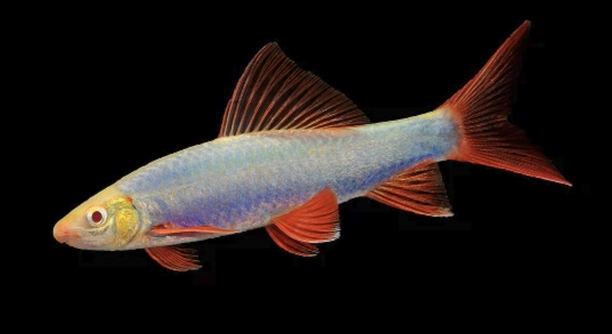
Is your Rainbow Shark spending more time resting than swimming around its tank? Many fish owners notice their usually active pet becoming unusually still or hiding. Understanding why this happens can help keep your fish healthy and happy.
Rainbow Sharks often reduce their swimming activity due to factors such as poor water quality, inadequate tank size, stress from tank mates, or improper diet. Identifying and addressing these conditions is essential to promote natural behavior and overall well-being.
Knowing what affects your Rainbow Shark’s activity can improve its environment and health. The following reasons explain why your fish might not be as lively as usual.
Poor Water Quality
Water quality plays a major role in your Rainbow Shark’s activity. When the water is dirty or has high levels of ammonia, nitrites, or nitrates, your fish will feel stressed and lethargic. It is important to regularly test your tank water and perform partial water changes to keep the environment clean and safe. Inconsistent water temperature or pH imbalance can also affect swimming behavior. Rainbow Sharks prefer stable conditions with a temperature around 75-80°F and a pH between 6.5 and 7.5. Keeping the water well-filtered and free of toxins encourages your fish to swim actively and explore the tank. Ignoring these factors can lead to health problems that further reduce activity.
Testing your water weekly and changing 20-30% of the water helps maintain a healthy tank. This simple step can make a big difference in your fish’s energy levels and overall health.
Providing clean, stable water conditions supports your Rainbow Shark’s natural behavior. Avoid overcrowding and keep up with tank maintenance to see your fish swim more frequently and confidently.
Tank Size and Environment
A cramped or poorly decorated tank can discourage swimming. Rainbow Sharks need enough space to move freely and explore. If the tank is too small or lacks hiding places, your fish may become inactive or stressed. They prefer a tank size of at least 30 gallons with decorations like caves, plants, and smooth rocks. These provide shelter and areas for your fish to claim as its territory.
Too little space limits exercise and causes discomfort. Without places to hide, the fish might feel exposed and stay still to avoid attention. Adding decorations also reduces boredom, encouraging more natural movement. Adjusting the tank setup can quickly improve your Rainbow Shark’s activity level.
If your tank is under 30 gallons, consider upgrading to a larger one. Introduce plants and hiding spots to make the environment stimulating. This change encourages your Rainbow Shark to swim around and feel secure. A well-arranged tank with enough room and shelter supports healthy behavior and helps prevent stress-related inactivity.
Stress from Tank Mates
Aggressive or overly active tank mates can cause stress, leading your Rainbow Shark to swim less. If your fish feels threatened or bullied, it may hide or stay still to avoid conflict.
Stress lowers immunity and can affect appetite and movement. Rainbow Sharks are territorial and prefer peaceful or similar-sized tank mates. Avoid housing them with fin-nippers or overly aggressive species. Ensure enough space and hiding spots for all fish to reduce tension. Observing interactions regularly helps catch problems early.
Separating aggressive fish or rearranging the tank can reduce stress. Sometimes, adding more hiding places gives your Rainbow Shark a safe retreat. A calm environment encourages normal swimming and improves overall health.
Improper Diet
A poor diet can make your Rainbow Shark lethargic and less active. Feeding the wrong type or amount of food deprives them of needed nutrients. Rainbow Sharks need a balanced diet rich in protein, including sinking pellets, algae wafers, and occasional live or frozen foods.
Avoid overfeeding, as uneaten food pollutes the water and causes health problems. Feed small amounts once or twice daily, enough to finish within a few minutes. Variety helps maintain energy and vibrant colors.
Supplementing with vegetables like blanched zucchini or peas supports digestion and adds nutrients. Proper nutrition fuels activity and supports strong immune function, encouraging your Rainbow Shark to swim and explore more often.
Lack of Oxygen
Low oxygen levels in the tank can make your Rainbow Shark swim less. Poor aeration or overcrowding reduces oxygen availability, causing lethargy.
Using an air pump or increasing water movement helps improve oxygen levels. Regular water changes also support healthy oxygen balance.
Illness or Parasites
If your Rainbow Shark is sick or has parasites, it will likely become inactive. Signs include clamped fins, discoloration, or rapid breathing. Prompt treatment is necessary to prevent worsening health and restore activity.
Water Temperature Fluctuations
Sudden changes in water temperature stress Rainbow Sharks and reduce swimming. Keeping the temperature stable within the recommended range supports their natural behavior. Avoid placing the tank near drafts or heat sources that cause temperature swings.
Age and Natural Behavior
Older Rainbow Sharks may naturally swim less than younger ones. As they age, their energy levels drop, and they prefer resting more often. This is normal and not usually a cause for concern.
FAQ
Why is my Rainbow Shark hiding and not swimming?
Rainbow Sharks often hide when they feel stressed or unsafe. This can be caused by poor water conditions, aggressive tank mates, or an inadequate environment. Hiding is a natural way for them to protect themselves. Improving water quality, providing hiding places, and ensuring peaceful tank mates can help your fish feel more comfortable and encourage swimming.
How often should I change the water to keep my Rainbow Shark active?
Changing 20-30% of the tank water once a week is generally recommended. This helps remove waste, reduce toxins, and keep water parameters stable. Clean water supports healthy behavior and activity levels in Rainbow Sharks. More frequent changes may be necessary if the tank is overcrowded or filtration is weak.
What is the ideal tank size for a Rainbow Shark?
A minimum of 30 gallons is ideal for one Rainbow Shark. They need space to swim freely and establish territory. Larger tanks reduce stress and promote natural movement. Overcrowding can lead to aggression and inactivity, so avoid keeping too many fish in a small space.
Can poor diet really cause my Rainbow Shark to stop swimming?
Yes, an improper diet lacking protein or variety can cause lethargy. Rainbow Sharks require a balanced diet of sinking pellets, algae wafers, and occasional live or frozen foods. Overfeeding also harms water quality and energy levels. Feeding the right amount and variety supports their health and activity.
How can I tell if my Rainbow Shark is sick?
Look for signs like clamped fins, faded colors, rapid breathing, or abnormal swimming patterns. Loss of appetite and hiding can also indicate illness. Early detection and treatment improve recovery chances. Regular tank maintenance helps prevent many common diseases.
Do Rainbow Sharks need hiding spots?
Yes, hiding spots help reduce stress and encourage natural behavior. They offer a safe retreat when the fish feels threatened or tired. Use caves, plants, or decorations that provide cover without overcrowding the tank. This balance helps your Rainbow Shark swim confidently.
Is my Rainbow Shark’s inactivity normal at night?
Yes, Rainbow Sharks are less active at night and often rest on the bottom or in hiding places. They tend to swim more during the day when lights are on. If inactivity occurs during the day, it may signal other issues like stress or poor water quality.
Can temperature changes cause my Rainbow Shark to swim less?
Yes, sudden temperature fluctuations cause stress and reduce activity. Maintaining a stable temperature between 75-80°F is important. Use a reliable heater and avoid placing the tank near windows or vents that cause drafts or heat spikes.
Will my Rainbow Shark become more active if I add more plants?
Adding plants can make the environment more natural and stimulating. It provides hiding spots and reduces stress, which often encourages swimming. However, plants alone won’t solve inactivity caused by water issues or illness. A balanced setup is key.
What should I do if my Rainbow Shark stops eating?
Loss of appetite is a serious sign and may indicate stress, illness, or poor water quality. Check tank parameters and observe for other symptoms. Offering varied, high-quality food can help. If the problem persists, consider consulting a specialist or veterinarian.
Final Thoughts
Watching your Rainbow Shark swim actively and explore its tank is one of the most rewarding parts of keeping this fish. When it stops moving much, it is a sign that something in its environment or care routine needs attention. Many factors can affect its behavior, from water quality and tank size to diet and stress from other fish. Paying close attention to these details can help you maintain a healthy, happy Rainbow Shark that shows its natural lively personality.
Maintaining good water conditions is one of the most important steps. Regular water testing and partial water changes prevent the build-up of harmful substances that tire out your fish. A stable temperature and balanced pH create a comfortable environment for your Rainbow Shark to thrive. Along with clean water, providing enough space and proper hiding spots supports both physical health and emotional well-being. A well-arranged tank encourages natural swimming habits and helps reduce stress caused by overcrowding or aggressive tank mates.
Feeding your Rainbow Shark the right diet also plays a key role in its energy levels. Offering a balanced mix of protein-rich pellets, algae wafers, and occasional live or frozen foods provides essential nutrients. Avoid overfeeding to keep the water clean and prevent lethargy caused by poor nutrition. Finally, regular observation allows you to spot early signs of illness or discomfort. Acting quickly when problems arise increases the chances of recovery. With careful care and attention, your Rainbow Shark can regain its active swimming and brighten your aquarium.

Hello,
If you enjoy the content that we create, please consider saying a "Thank You!" by leaving a tip.
Every little bit helps us continue crafting quality advice that supports the health, happiness, and well-being of pets around the world, for pets of all shapes, sizes, and species.
We really appreciate the kindness and support that you show us!