
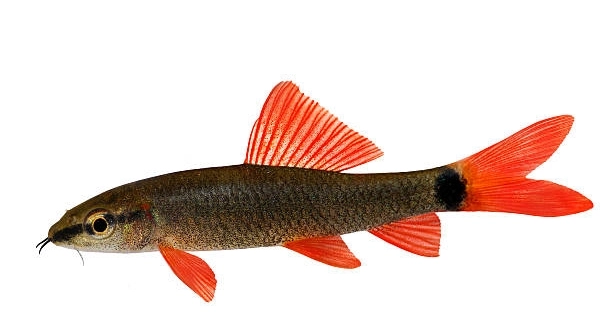
Rainbow sharks are popular aquarium fish known for their vibrant colors and active nature. They often share tanks with other fish, but their behavior can sometimes cause stress to their tankmates. Making a rainbow shark more tankmate-friendly requires attention to their environment and habits.
To make your rainbow shark tankmate-friendly, ensure the tank is spacious with plenty of hiding spots. Provide a balanced diet and maintain stable water conditions. Minimizing aggressive behavior involves creating a peaceful environment that reduces territorial disputes among fish.
Improving your tank setup and care routine can greatly enhance harmony among your fish. This article will guide you through effective ways to keep your rainbow shark and tankmates comfortable together.
Provide Plenty of Hiding Spots
Rainbow sharks can be territorial, especially when they feel exposed. Adding caves, plants, and decorations helps create hiding spots where your fish can retreat. These spots reduce stress and give shy tankmates places to feel safe. A tank with hiding areas usually has less aggressive behavior because fish can avoid confrontations.
Having these shelters is important because rainbow sharks like to claim territory. If your tank is bare, the shark may chase others more often. Decorations and plants break the line of sight, so fish don’t always see each other, lowering tension. Use smooth rocks or aquarium-safe ornaments to build varied hiding places. Live plants also help, providing natural cover and improving water quality.
Remember, the goal is to make sure every fish has a space to rest and hide when needed. This setup encourages peaceful interactions and helps all your fish feel more secure in the tank.
Adding hiding spots is a simple change that improves your tank’s balance. It also makes the environment more interesting for your fish.
Maintain Stable Water Conditions
Keeping water parameters steady is key to reducing stress in rainbow sharks and their tankmates. Sudden changes in temperature, pH, or ammonia levels can trigger aggression or illness.
Regular water testing and partial water changes keep the environment healthy. Avoid overcrowding, which can worsen water quality and cause tension. A well-filtered tank with stable conditions supports calm behavior. When your fish feel secure in their environment, aggressive tendencies often decrease. Consistent care helps all your aquatic pets thrive together.
Choose Compatible Tankmates
Rainbow sharks do best with peaceful, similarly sized fish that can hold their own. Avoid small or slow-moving fish that might become targets. Fast-swimming species and bottom dwellers are often good companions because they occupy different areas of the tank.
Suitable tankmates include danios, barbs, and certain types of catfish. These fish are active and can share space without much conflict. Avoid aggressive or overly timid fish, as this imbalance can cause stress. Introducing tankmates gradually helps everyone adjust. Watching interactions during the first days allows you to spot problems early and make changes if needed.
Choosing the right companions reduces bullying and creates a balanced tank community. This setup benefits your rainbow shark by easing its territorial instincts and making the tank more peaceful overall.
Feed a Balanced Diet
Rainbow sharks need a diet rich in protein and vegetable matter to stay healthy and calm. A variety of pellets, flakes, and fresh vegetables ensures they get all necessary nutrients. Feeding too little or only one type of food can cause stress and aggression.
Offer sinking pellets or wafers to reach the bottom-dwelling shark easily. Supplement meals with blanched spinach, zucchini, or peas for fiber and vitamins. Feeding small amounts multiple times a day prevents hunger-driven chasing. Uneaten food should be removed quickly to maintain water quality. When your rainbow shark is well-fed and healthy, its behavior improves, and it interacts better with other fish. A balanced diet supports both physical health and tank harmony.
Avoid Overcrowding the Tank
Too many fish in one tank can increase stress and aggression. Each rainbow shark needs enough space to swim and claim territory. Overcrowding forces fish into close contact, raising tension and conflicts.
A spacious tank with fewer fish allows for better movement and reduces chasing. Keeping proper stocking levels helps maintain a peaceful environment for all inhabitants.
Keep a Consistent Light Cycle
Maintaining a regular day and night light cycle supports natural behavior in rainbow sharks. A consistent schedule helps reduce stress and aggressive outbursts by mimicking their natural environment. Aim for about 10 to 12 hours of light daily.
Using a timer to automate lighting creates a stable routine, which is calming for fish. Proper light management promotes better health and peaceful interactions among tankmates.
Use Tank Dividers When Needed
If aggression becomes a problem, tank dividers can create separate territories. Dividers allow fish to see each other without direct contact, reducing fighting. This solution is temporary but effective for calming aggressive behavior.
Separating fish during feeding or acclimation periods helps maintain harmony until the tank community stabilizes.
FAQ
How big should my tank be for a rainbow shark?
A minimum of 30 gallons is recommended for one rainbow shark. They need enough space to swim freely and establish territory. Larger tanks reduce aggression and provide a more comfortable environment for both the shark and its tankmates. If you plan to keep multiple fish, increase the tank size accordingly.
Can rainbow sharks live with other bottom dwellers?
Yes, but choose bottom dwellers that are not too slow or timid. Corydoras catfish and some types of loaches usually coexist well because they occupy different areas of the tank. Avoid overcrowding the bottom area to prevent territorial disputes and stress.
What should I feed my rainbow shark?
Rainbow sharks thrive on a varied diet including sinking pellets or wafers, supplemented with fresh vegetables like zucchini or spinach. Feeding small portions twice a day helps prevent hunger-driven aggression. Avoid overfeeding to keep water quality good.
Why is my rainbow shark chasing other fish?
Chasing is often territorial behavior, especially in smaller tanks or if hiding spots are limited. It can also be a sign of hunger or stress. Increasing tank size, adding hiding places, and feeding properly usually reduce this behavior.
Are rainbow sharks aggressive?
They can be semi-aggressive, especially toward fish that invade their territory. However, with proper tank size, compatible tankmates, and enough hiding spots, aggression can be managed effectively.
How can I reduce aggression between my rainbow shark and other fish?
Ensure the tank is spacious, add plenty of hiding spots, and choose compatible tankmates. Maintaining stable water conditions and feeding a balanced diet also help reduce aggression. Temporary use of tank dividers can separate fish if problems arise.
Do rainbow sharks need a specific temperature?
Yes, they prefer water temperatures between 72°F and 79°F (22°C–26°C). Keeping the temperature stable helps avoid stress and supports their immune system.
How often should I change the water?
Regular partial water changes—about 25% weekly—are ideal. This keeps the water clean, removes toxins, and supports healthy fish behavior. Avoid large, sudden changes to prevent stressing the fish.
Can rainbow sharks live alone?
Yes, they can live alone, but they still need a spacious tank and environmental enrichment. If kept with other fish, choose compatible species to avoid stress and aggression.
What signs indicate my rainbow shark is stressed?
Signs include excessive hiding, loss of color, erratic swimming, or constant chasing of tankmates. Stress can be caused by poor water quality, overcrowding, or aggression. Address these issues quickly to improve your fish’s well-being.
Is it okay to keep more than one rainbow shark?
It depends on the tank size and setup. Multiple rainbow sharks require a large tank with distinct territories and plenty of hiding places. Without enough space, they may become aggressive toward each other.
How do I introduce new fish to a tank with a rainbow shark?
Introduce new fish slowly, preferably in a quarantine tank first. Use a tank divider during initial introduction to prevent immediate contact. Monitor interactions closely and be ready to separate fish if aggression occurs.
Final Thoughts
Keeping a rainbow shark tankmate-friendly takes some effort but is very rewarding. These fish have strong territorial instincts that can cause problems if their environment is not well managed. Providing enough space, hiding spots, and compatible tankmates reduces aggression and stress. When the tank is set up thoughtfully, your rainbow shark and other fish can live together peacefully.
Maintaining stable water conditions and feeding a balanced diet are essential parts of care. Consistent water quality helps keep fish healthy and calm. Feeding the right food in proper amounts prevents hunger-driven chasing and aggression. These simple habits go a long way in creating a balanced tank environment where fish feel secure and comfortable.
Sometimes, even with the best care, some rainbow sharks may show signs of aggression. Using tank dividers or rearranging decorations can help ease tensions. Observing your fish regularly will help you notice any changes early. Taking these steps ensures your aquarium remains a peaceful place for all its inhabitants. With patience and attention, a rainbow shark can become a calm and compatible member of your tank community.

Hello,
If you enjoy the content that we create, please consider saying a "Thank You!" by leaving a tip.
Every little bit helps us continue crafting quality advice that supports the health, happiness, and well-being of pets around the world, for pets of all shapes, sizes, and species.
We really appreciate the kindness and support that you show us!