
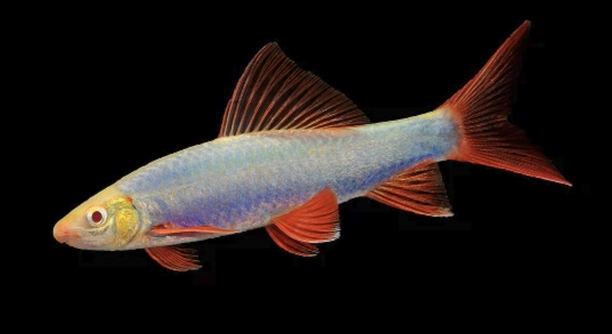
Rainbow Sharks are popular aquarium fish known for their striking colors and peaceful nature. Many people enjoy keeping them as part of their home tanks. Proper care is important to keep these fish healthy and vibrant over time.
Maintaining a Rainbow Shark’s health involves providing a clean environment, balanced diet, proper tank size, and stable water conditions. Regular monitoring of behavior and water parameters helps prevent illness and promotes long-term well-being.
Understanding these key care tips will help you create the best environment for your Rainbow Shark and support its overall health and happiness.
Provide a Spacious Tank
Rainbow Sharks need enough space to swim freely and stay active. A tank smaller than 30 gallons can cause stress and aggression in these fish. They grow up to 6 inches, so cramped spaces limit their movement and can affect their health. A bigger tank helps maintain stable water conditions, which is important for their well-being. Plants and hiding spots also make the tank comfortable, reducing stress and encouraging natural behavior.
When setting up the tank, choose a size that allows your Rainbow Shark to explore without feeling confined. It also helps reduce conflicts if you have other fish. Clean water and good filtration work best in a larger tank, too. This will keep your fish happy and healthy.
The ideal tank should be at least 40 gallons to give your Rainbow Shark plenty of room. Add decorations like smooth rocks and plants for shelter. This setup mimics their natural environment and supports their physical and mental health.
Maintain Clean Water
Clean water is essential for your Rainbow Shark’s health. Poor water quality leads to disease and stress.
Regular water changes, about 25% weekly, keep toxins low and oxygen levels high. Use a good filtration system to remove waste and debris. Test water parameters like ammonia, nitrite, and nitrate to ensure safe levels. Keep temperature steady between 72 and 79°F, and pH around 6.5 to 7.5 for best results.
Ignoring water cleanliness quickly harms your Rainbow Shark. Dirty water causes fin rot, infections, and lethargy. Frequent water changes help avoid these problems and maintain a stable environment. Monitoring water conditions regularly allows you to catch issues early before they become serious. Filters should be cleaned but not replaced entirely, as beneficial bacteria are important for breaking down waste. Maintaining clean water ensures your fish stay active, healthy, and display their bright colors fully.
Feed a Balanced Diet
A varied diet keeps Rainbow Sharks healthy and colorful. They eat flakes, pellets, and occasional live or frozen foods.
Offering high-quality sinking pellets designed for bottom feeders provides essential nutrients. Supplement their diet with bloodworms, brine shrimp, or daphnia two to three times a week. Avoid overfeeding, as leftover food can pollute the tank and harm water quality. Feeding once or twice daily in small amounts is enough to meet their nutritional needs without causing excess waste.
Fresh vegetables like blanched zucchini or cucumber can also be added occasionally. This adds fiber and variety, supporting digestion. Balanced feeding helps your Rainbow Shark maintain energy, vibrant colors, and a strong immune system.
Monitor Behavior and Health
Watch your Rainbow Shark for signs of illness or stress, such as lethargy, loss of color, or unusual swimming patterns. Early detection helps prevent serious problems.
Changes in behavior or appearance often signal water quality issues or disease. Keep a close eye on how your fish interacts with tank mates. Aggression or hiding may mean discomfort or tank conditions need adjustment. Check for physical signs like torn fins, spots, or swelling regularly.
If you notice anything unusual, test the water immediately and consider quarantining sick fish. Prompt action improves chances of recovery and keeps the whole tank healthy.
Keep the Tank Well-Oxygenated
Rainbow Sharks need plenty of oxygen to thrive. Use an air pump or a good filter to ensure water circulation and oxygen exchange. Proper aeration helps prevent stress and supports healthy breathing.
Regularly check equipment to avoid breakdowns. Stagnant water lowers oxygen levels and can harm your fish.
Avoid Overcrowding
Overcrowding causes stress and poor water quality. Limit the number of fish in the tank to maintain a healthy environment. A spacious tank with fewer fish reduces competition for food and hiding spots, promoting peaceful behavior and better health.
Use Suitable Tank Mates
Choose peaceful fish that thrive in similar water conditions. Avoid aggressive or overly active species that may stress your Rainbow Shark. Compatible tank mates help maintain a calm environment, reducing the risk of injury and stress.
Maintain Stable Temperature
Keep the tank temperature steady between 72°F and 79°F. Sudden changes can weaken your Rainbow Shark’s immune system and cause illness. Use a reliable heater and thermometer to monitor and regulate temperature consistently.
FAQ
How often should I feed my Rainbow Shark?
Feeding your Rainbow Shark once or twice a day is ideal. Give small portions that they can finish within a few minutes. Overfeeding leads to leftover food, which can pollute the tank and cause water quality problems. Keeping a regular feeding schedule helps maintain a healthy tank environment.
Can Rainbow Sharks live with other fish?
Yes, Rainbow Sharks can live with other peaceful fish that share similar water requirements. Avoid aggressive or very small fish that may be bullied or stressed. Suitable tank mates include tetras, barbs, and danios. Always monitor interactions, as Rainbow Sharks can sometimes be territorial.
What is the best tank size for a Rainbow Shark?
A minimum of 40 gallons is recommended to provide enough swimming space and reduce stress. Larger tanks allow for more stable water conditions and make it easier to manage their environment. Crowded tanks increase aggression and health risks.
How do I know if my Rainbow Shark is sick?
Signs of illness include lethargy, loss of appetite, faded colors, clamped fins, and unusual swimming patterns. White spots or fin damage may also appear. Early detection is important—test water quality and isolate sick fish if needed to prevent spreading disease.
What water parameters should I maintain?
Keep the temperature between 72°F and 79°F. The pH should be around 6.5 to 7.5. Ammonia and nitrite levels must be at zero, and nitrate should be kept low with regular water changes. Stable conditions reduce stress and illness.
How often should I clean the tank?
Perform partial water changes of about 25% weekly. Clean the substrate and filter media regularly but avoid removing all beneficial bacteria. Maintaining cleanliness controls toxins and keeps your Rainbow Shark healthy.
Can Rainbow Sharks tolerate low light?
Rainbow Sharks prefer moderate lighting that mimics their natural environment. Too much light can stress them, while very low light may reduce their activity. Provide shaded areas or plants to give them places to retreat if the lighting feels too strong.
What should I do if my Rainbow Shark becomes aggressive?
Aggression may result from overcrowding, lack of hiding spaces, or insufficient tank size. Ensure the tank is spacious and has decorations for shelter. If aggression continues, consider separating aggressive individuals or adjusting tank mates.
Is it necessary to use a heater for Rainbow Sharks?
Yes, a heater is important to maintain a stable temperature within their preferred range. Sudden drops in temperature can weaken their immune system and increase susceptibility to illness.
Can Rainbow Sharks eat vegetables?
Yes, feeding blanched vegetables like zucchini or cucumber occasionally adds fiber and variety to their diet. It supports digestion and overall health alongside their main diet of pellets and live or frozen foods.
Caring for a Rainbow Shark requires attention to several important factors. Providing a spacious tank with clean, well-oxygenated water is essential. These fish need room to swim and stable water conditions to stay healthy. Regular water changes and a good filtration system help keep the environment safe and comfortable. Keeping the temperature steady and maintaining proper pH levels also supports their well-being. Paying attention to these basics creates a strong foundation for your Rainbow Shark’s health.
Feeding your Rainbow Shark a balanced diet is another key aspect of care. They thrive on a mix of sinking pellets and occasional live or frozen foods like bloodworms or brine shrimp. Including some blanched vegetables now and then adds fiber and variety. Avoid overfeeding to prevent leftover food from polluting the tank. Feeding small amounts once or twice daily ensures your fish get the nutrients they need without harming water quality. A healthy diet supports vibrant colors and good energy levels.
Monitoring your Rainbow Shark’s behavior and health regularly is important to catch any problems early. Watch for changes in swimming, appetite, or appearance. Signs like faded color, lethargy, or torn fins can indicate stress or illness. Keeping an eye on water quality and tank conditions helps prevent many issues. Choosing compatible tank mates and giving your fish hiding spots can reduce stress and aggression. By following these care tips, you help your Rainbow Shark live a long, healthy life in your aquarium.

Hello,
If you enjoy the content that we create, please consider saying a "Thank You!" by leaving a tip.
Every little bit helps us continue crafting quality advice that supports the health, happiness, and well-being of pets around the world, for pets of all shapes, sizes, and species.
We really appreciate the kindness and support that you show us!